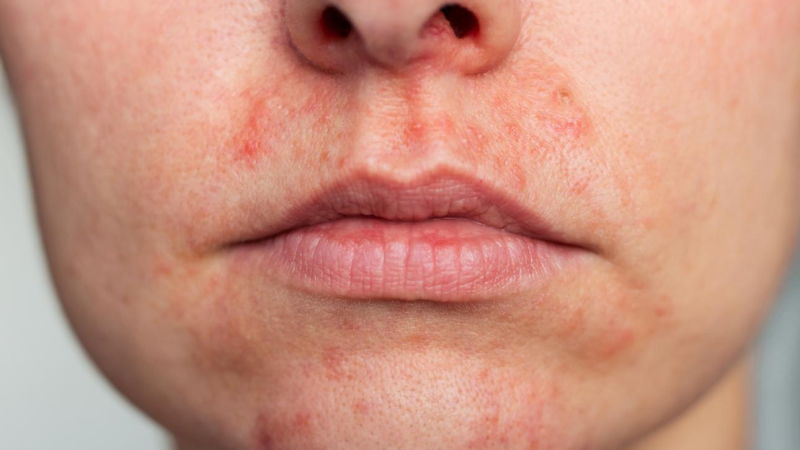
Perioral dermatitis is an inflammatory skin condition that causes small red bumps, acne-like breakouts, redness, and sometimes scaling around the mouth.
It can also affect the sides of the nose and the area around the eyes. For this reason, it is also called periorificial dermatitis.
It most commonly affects young and middle-aged women, but it can also occur in men and children.
Perioral dermatitis is not contagious. Appropriate treatment and skincare can help control it in most patients.
The exact cause is not fully understood. An impaired skin barrier, inflammation, and certain external factors are thought to contribute.
Factors that may trigger or worsen perioral dermatitis include:
Triggers may differ from person to person.
Common symptoms include:
A characteristic feature is that a narrow strip of skin immediately next to the lips often remains unaffected.
Perioral dermatitis is often mistaken for acne.
However, blackheads and whiteheads, known as comedones, are common in acne and generally absent in perioral dermatitis.
Small, similar-looking bumps around the mouth and a burning sensation are more characteristic of perioral dermatitis.
Rosacea and contact dermatitis can also look similar.
An accurate diagnosis is therefore important.
Diagnosis is usually based on a dermatologic examination.
The assessment considers the location of the rash, creams and cosmetics used, and any history of corticosteroid use.
Most patients do not need specific blood tests or a skin biopsy.
Treatment aims to reduce inflammation, protect the skin barrier, and eliminate products that trigger the condition.
Reducing unnecessary cosmetic and skincare products is an important part of treatment.
Temporarily stopping serums with active ingredients, exfoliants, heavy creams, and makeup may help some patients.
Gentle cleansers are preferred. A lightweight, fragrance-free, well-tolerated moisturizer may be used when needed.
This approach is sometimes called zero therapy.
Corticosteroid creams used on the face can trigger or worsen perioral dermatitis.
Redness and breakouts may temporarily worsen during the first few days after stopping them. This can reflect a rebound flare.
A dermatologist should guide how to stop corticosteroid creams, particularly if they have been used for a long time or were prescribed.
Topical medications may be recommended for suitable patients with mild to moderate disease.
Metronidazole: May be used to reduce inflammatory lesions.
Erythromycin: A topical treatment option for some patients.
Pimecrolimus: May be used to reduce inflammation in appropriately selected patients.
Azelaic acid may also be considered, but it can irritate sensitive skin.
Oral antibiotics may be needed when the condition is more widespread, significantly inflamed, or has not responded adequately to topical treatment.
Tetracycline antibiotics, such as doxycycline, may be used for their anti-inflammatory properties as well as their antibacterial effects.
These medications are not suitable during pregnancy or for certain age groups. Treatment must be planned based on each patient’s needs.
Improvement usually takes several weeks. Some patients may need 2–3 months of treatment or longer.
A temporary worsening may occur after corticosteroid creams are stopped.
Resuming products that trigger the condition can cause symptoms to return after they have cleared.
A dermatologic evaluation is recommended for recurring redness, small bumps, or burning around the mouth.
Perioral dermatitis should be considered when a rash temporarily improves with a corticosteroid cream but worsens again after it is stopped.
If a rash around the eyes occurs with eye pain, vision changes, or significant eye redness, seek prompt medical evaluation.
At Dr. Armin Müştak’s private dermatology practice, patients with suspected perioral dermatitis receive a dermatologic examination.
A treatment and care plan is developed based on cosmetic products used, previous treatments, corticosteroid cream use, and skin sensitivity.
An important part of managing perioral dermatitis is reducing unnecessary skincare products and using appropriate medication to help the skin recover.
The exact cause is unknown. Corticosteroid creams, heavy cosmetic products, and an impaired skin barrier may trigger the condition. Contributing factors vary from person to person.
Corticosteroid creams may initially reduce redness but can worsen the condition over time. A temporary flare-up may occur when the cream is stopped. Changes to treatment should be planned with a dermatologist.
Yes. With appropriate skincare and treatment, the rash can clear completely in most patients. However, using products that trigger the condition again may cause it to return.
Perioral dermatitis typically causes small, similar-looking red bumps and burning, particularly around the mouth. The blackheads and whiteheads typical of acne are generally absent. A dermatologic examination is needed to distinguish between the two.
Dermatology is the branch of medicine concerned with the…
Rosacea is a chronic inflammatory skin condition that primarily affects…
Eczema is a general term for inflammatory skin conditions that…
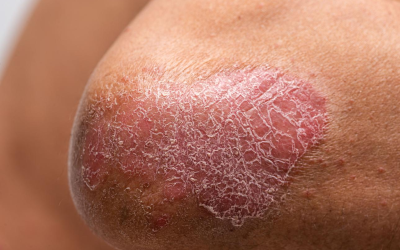
Psoriasis is a chronic, immune-mediated inflammatory condition that causes red,…
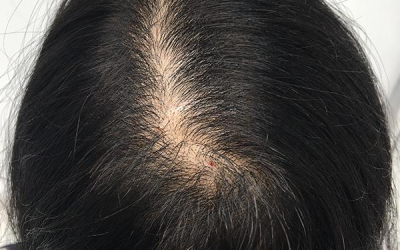
Hair loss is a common dermatologic concern that can affect…
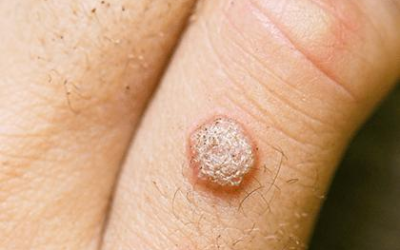
Warts are generally benign, contagious skin growths caused by certain…
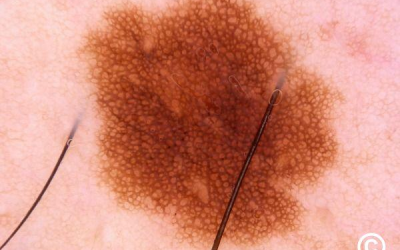
Moles, medically known as melanocytic nevi, are skin growths…
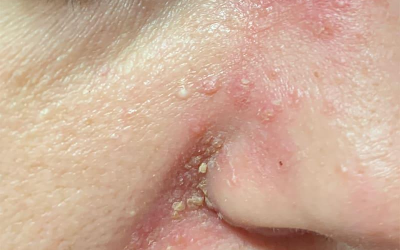
Seborrheic dermatitis is a chronic inflammatory skin condition that causes…
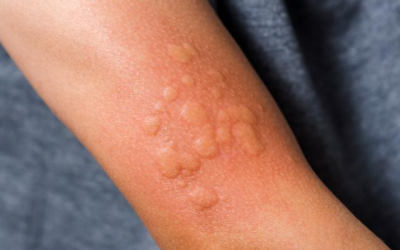
Urticaria, commonly known as hives, is a skin condition that…
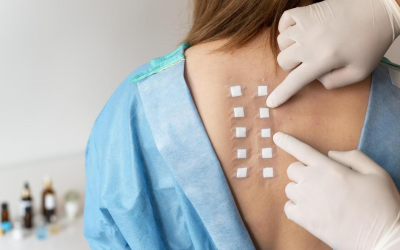
Allergic contact dermatitis is an inflammatory skin condition caused…
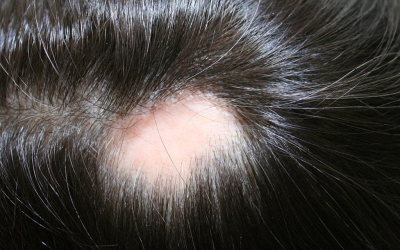
Alopecia areata is a condition in which the immune system…
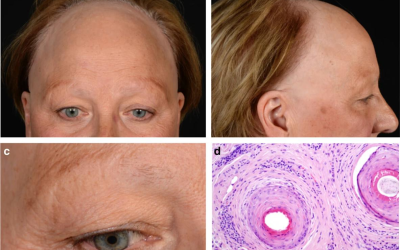
Eyebrow hair loss, medically known as eyebrow alopecia or madarosis,…
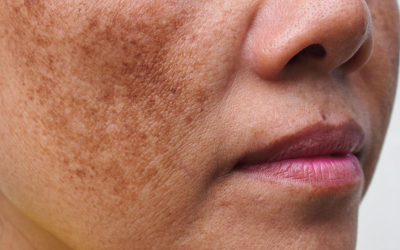
Melasma is a chronic pigmentation condition that causes brown or…
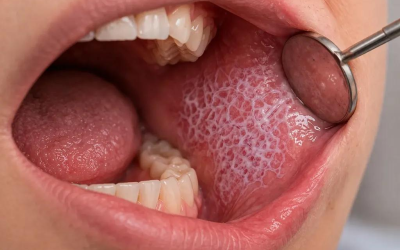
Lichen planus is a chronic, immune-related inflammatory condition that affects…

The effects of a product applied to the skin depend…

Human papillomavirus (HPV) is a common group of viruses…
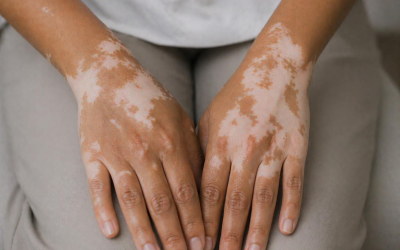
Vitiligo is a chronic skin condition characterized by white…

Acne is a chronic inflammatory skin condition that affects hair…