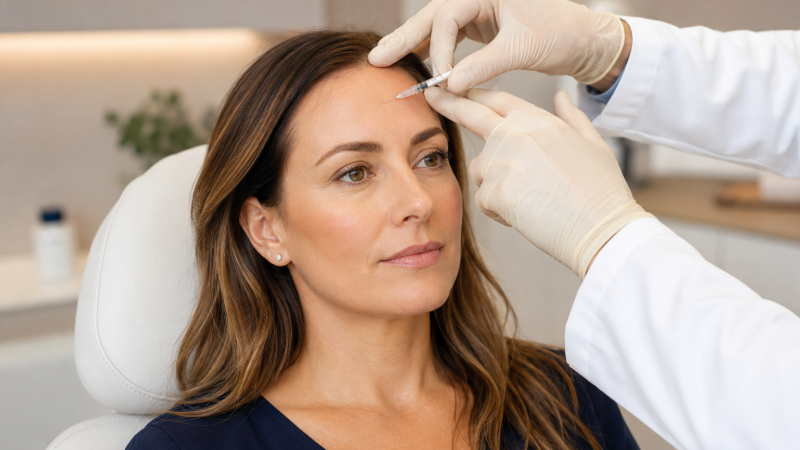
Botulinum toxin temporarily reduces the activity of targeted muscles. For cosmetic purposes, it is commonly used to soften the appearance of expression lines on the forehead, between the eyebrows, and around the eyes. In suitable patients, it may also be considered for other conditions, such as excessive sweating. Unlike dermal fillers, botulinum toxin does not add volume to the tissues.
The effects usually begin within a few days, with the final result typically assessed after 10–14 days. For the treatment of expression lines, the effects commonly last around three to four months. This may vary depending on the product used, treatment area, dose, and individual factors. The appropriate timing for repeat treatment is determined during a follow-up assessment.
The aim of treatment is to preserve natural facial expression while reducing the activity of targeted muscles in a controlled manner. Injection points and dosage are planned according to facial anatomy and individual expectations. Excessive dosing or improper treatment may cause unwanted changes in facial expression.
As the effects wear off, muscle movement and the expression lines associated with it gradually return. Stopping treatment does not, by itself, make wrinkles worse than they were before. However, natural aging and the effects of sun exposure on the skin continue over time.
Cosmetic botulinum toxin treatment is generally postponed during pregnancy and breastfeeding. An infection at the injection site, certain neuromuscular disorders, or a history of allergy to the product requires careful medical assessment. Tell your doctor about all medications you take and any previous botulinum toxin treatments. Do not stop taking any medication without medical advice.
Temporary redness, tenderness, swelling, or bruising may occur at the injection sites. Headache, asymmetry, and temporary eyebrow or eyelid drooping are also possible. Do not rub or massage the treated area, and follow the aftercare instructions provided. Although rare, seek urgent medical attention if you develop difficulty swallowing, speaking, or breathing.
Aesthetic dermatology focuses on maintaining skin health, evaluating age-related changes,…
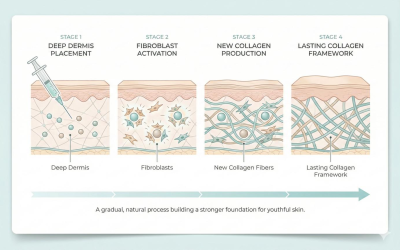
Poly-L-lactic acid (PLLA) is a biocompatible, biodegradable injectable material…
What Is Laser Tattoo Removal? Picosecond Laser Treatment Tattoos…
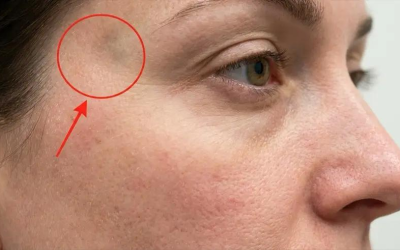
Facial aesthetics involves more than lip fullness, cheekbone definition, or…
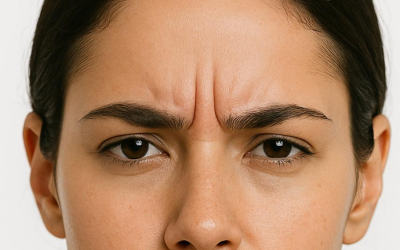
The forehead forms the upper third of the face and…
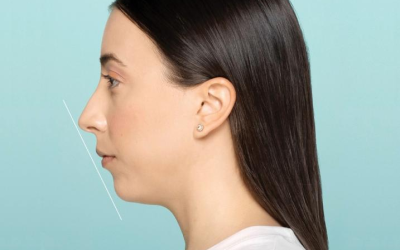
The position of the chin in relation to the rest…
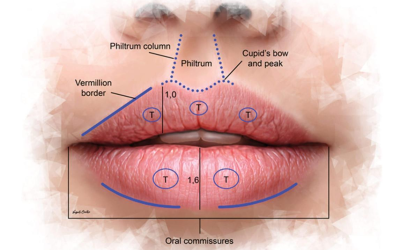
The lips play an important role in facial expression, the…
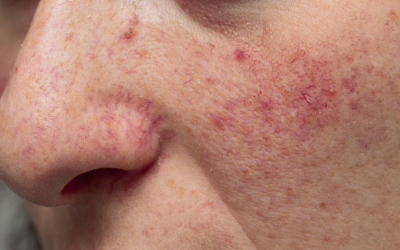
Fine red, purple, or bluish blood vessels on the face,…
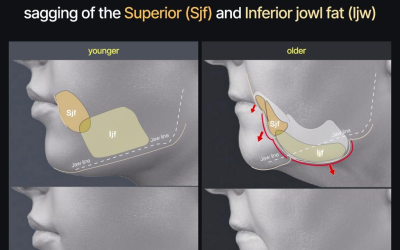
Facial sagging describes changes in facial contours and soft tissues…

The eye area is one of the face’s most…
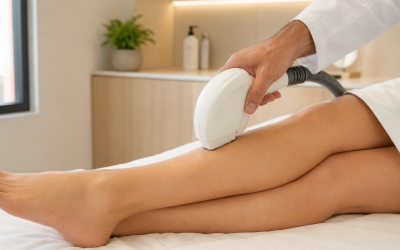
Laser hair removal is a light-based procedure designed…
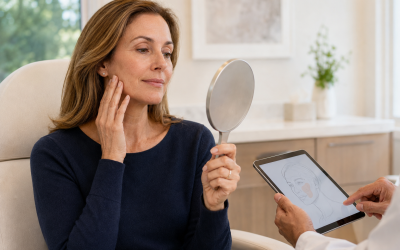
Facial changes over time involve more than just wrinkles.…
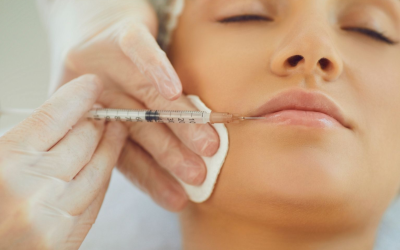
Dermal filler treatments are injection procedures performed to address…
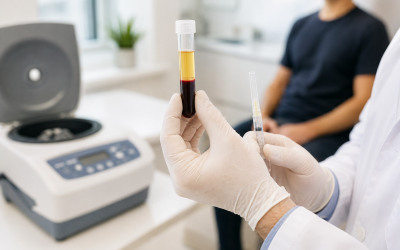
PRP stands for "Platelet-Rich Plasma." A small sample of…
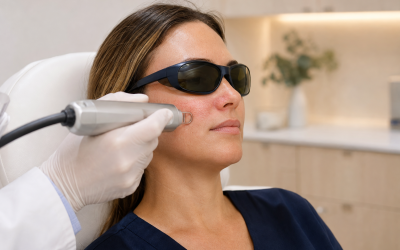
Fine red, purple, or blue veins appearing on the…
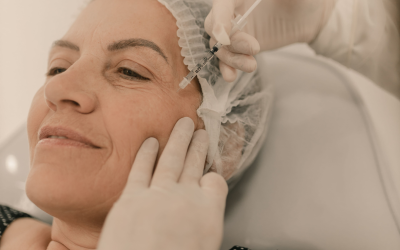
Mesotherapy involves the administration of small amounts of selected…
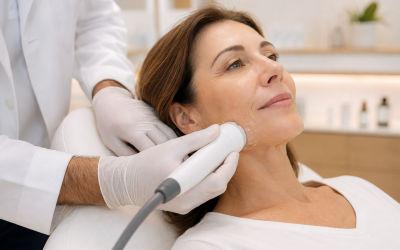
Radiofrequency treatments rely on generating heat within the skin…