The lips play an important role in facial expression, the smile, and overall facial balance.
Aesthetic lip assessment considers volume, the proportions between the upper and lower lips, width, contour, forward projection, and their relationship to the nose and chin.
The goal of natural-looking lip treatment is to achieve an appearance that complements each person’s facial structure, rather than creating lips of the same size for everyone.
The main anatomical structures that influence lip appearance include:
Lip shape reflects the relationships among these structures.
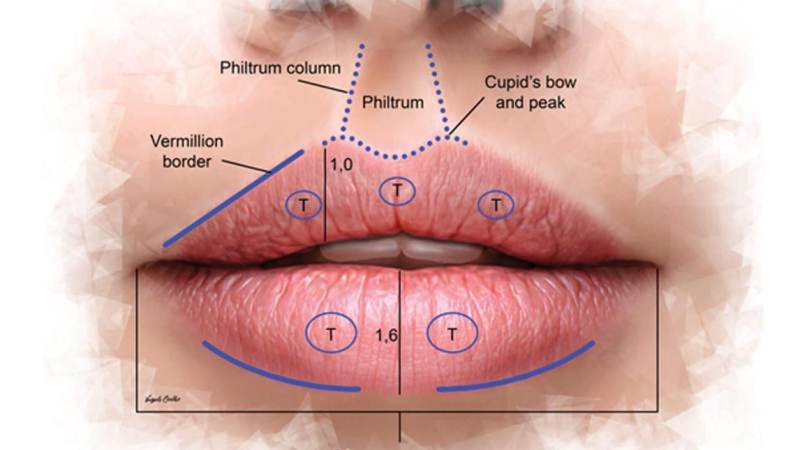
Classical aesthetic assessments often reference an approximate 1:1.6 ratio between the visible vermilion heights of the upper and lower lips.
This describes a proportion in which the lower lip appears somewhat fuller than the upper lip.
However, this ratio is not a universal standard of beauty.
Some people naturally have upper and lower lips of similar size. Age, facial anatomy, ethnic variation, and natural lip structure all influence assessment.
Aesthetic balance depends on how the lips complement the entire face, rather than on achieving a fixed mathematical ratio.
The philtral region extends between the base of the nose and the colored portion of the upper lip.
Its length, together with the visible height of the upper lip, influences lower facial proportions.
A longer philtrum may make the upper lip appear thinner in some people.
A shorter philtrum may make the upper lip appear more prominent.
However, philtrum length should be assessed alongside the nasal base, tooth visibility, upper lip movement, and chin position.
Lip projection describes how far forward the lips sit when viewed from the side.
Profile assessment considers the nose, upper lip, lower lip, and chin together.
A recessed chin may make the lips appear more prominent than they otherwise would.
Similarly, excessive lip volume that does not complement the nose and chin can create an unnatural profile.
Before lip filler treatment, it is therefore important to assess the entire face.
Cupid’s bow contributes to the characteristic shape of the upper lip.
It may be well defined in some people and softer in others.
Lip contour is assessed together with the vermilion border and philtral columns.
Overemphasizing the border or creating excessive upper lip projection can disrupt a natural appearance.
The same Cupid’s bow shape does not suit every lip.
Aging can cause several changes in the lips and surrounding area, including:
Not everyone develops all of these changes.
For some patients, volume loss is the main concern. For others, lines around the mouth or changes in lip position are more noticeable.
Aesthetic lip assessment includes observation at rest, during speech, and while smiling.
Key features include:
The aim is to develop a treatment plan that complements natural facial character without adding unnecessary volume.
Treatment selection depends on individual anatomy and the feature being addressed.
Hyaluronic acid fillers may be used in suitable patients to support lip volume, define the border, or reduce certain asymmetries.
Lip filler treatment does not always require a substantial increase in size.
For some patients, a small amount of volume support may be enough to restore contour definition.
The product and amount should be selected according to individual lip anatomy.
Some people have differences in volume between the upper and lower lips or asymmetry between the two sides.
In suitable patients, fillers may help reduce specific irregularities.
However, completely eliminating natural facial asymmetry is not always possible or necessary.
Low doses of botulinum toxin injected into selected parts of the upper lip’s orbicularis oris muscle may help the upper lip turn slightly outward in some patients.
This approach is known as a lip flip.
A lip flip does not add actual lip volume or produce the same result as filler.
Its effects are temporary. Inappropriate treatment may cause difficulty speaking, closing the lips, using a straw, or performing certain mouth movements.
Careful patient selection is therefore important.
Vertical lip lines may become more noticeable with aging, sun damage, and repeated muscle movements.
For suitable patients, options may include:
Skin type, recovery time, and the risk of pigmentation changes require particular consideration with fractional laser treatment.
Muscle activity, tissue support, and skin laxity can all contribute to downturned mouth corners.
Selected filler or botulinum toxin treatments may be considered for suitable patients.
However, the same approach will not address every cause.
A surgical lip lift may be considered for carefully selected patients with a noticeably long skin segment above the upper lip.
This procedure aims to shorten the distance between the nose and upper lip.
Unlike filler treatment, it involves surgery and carries its own risks, including permanent scarring.
Temporary swelling, tenderness, and bruising may occur after lip filler treatment.
Other possible complications include asymmetry, nodules, filler migration, infection, and unwanted contour changes.
Very rarely, accidental injection into a blood vessel or disruption of blood flow can cause serious complications, including tissue loss.
The position of blood vessels varies between individuals, making detailed anatomical knowledge essential.
Severe or increasing pain, unusual whitening, dusky or purple discoloration, or other concerning color changes in the lips require urgent assessment.
Hyaluronidase may be used when appropriate for hyaluronic acid fillers. However, this does not mean that every complication can be easily or completely reversed.
The same amount of filler is not appropriate for every patient.
Unwanted results may occur with:
Lip treatment should preserve appropriate proportions and natural movement while addressing volume needs.
At Dr. Armin Müştak’s private dermatology practice, treatment planning considers lip anatomy, upper-to-lower lip proportions, philtrum length, lip projection, and the overall facial profile together.
For suitable patients, hyaluronic acid fillers, selected botulinum toxin treatments, and resurfacing procedures around the lips may be considered.
The goal of lip aesthetics is a natural, balanced appearance that complements the entire face.
Classical aesthetic assessments often reference an upper-to-lower lip ratio of approximately 1:1.6. However, this ratio does not suit everyone. Harmony between the lips and the overall facial structure is more important.
Yes. Natural-looking results are possible when the product and amount are selected according to individual lip anatomy. Treatment may focus on refining the contour and improving balance between the lips, with additional volume only where needed.
Lip fillers can add volume and support lip contours. A lip flip uses botulinum toxin to help the upper lip turn slightly outward without adding actual volume. The two approaches have different effects and risks.
Fractional CO₂ laser, appropriate skin resurfacing procedures, and selected injectable treatments may be considered for vertical lines around the lips. Treatment is planned according to line depth and individual skin characteristics.
Aesthetic dermatology focuses on maintaining skin health, evaluating age-related changes,…
Poly-L-lactic acid (PLLA) is a biocompatible, biodegradable injectable material…
What Is Laser Tattoo Removal? Picosecond Laser Treatment Tattoos…
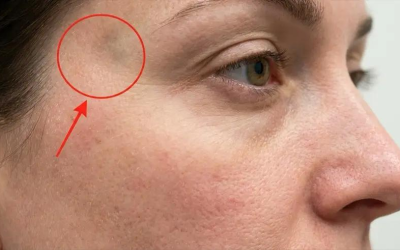
Facial aesthetics involves more than lip fullness, cheekbone definition, or…
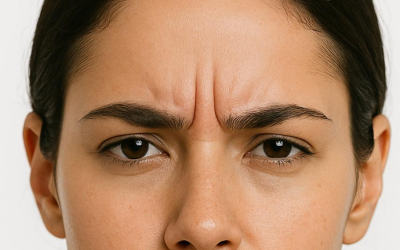
The forehead forms the upper third of the face and…
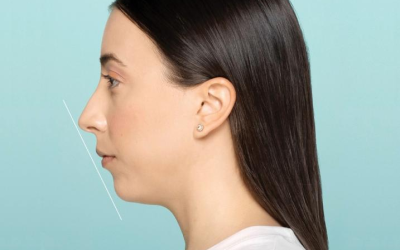
The position of the chin in relation to the rest…
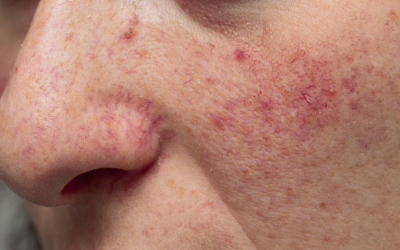
Fine red, purple, or bluish blood vessels on the face,…
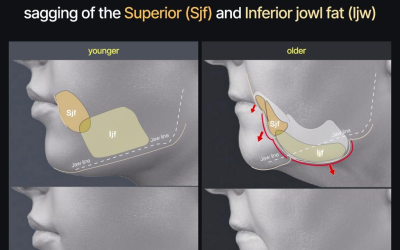
Facial sagging describes changes in facial contours and soft tissues…

The eye area is one of the face’s most…
Laser hair removal is a light-based procedure designed…
Facial changes over time involve more than just wrinkles.…
Botulinum toxin is a medical product that temporarily reduces…
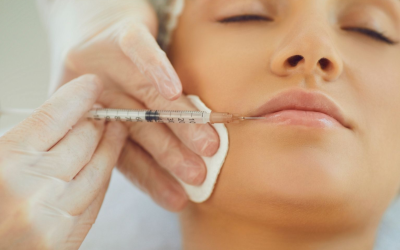
Dermal filler treatments are injection procedures performed to address…

PRP stands for "Platelet-Rich Plasma." A small sample of…
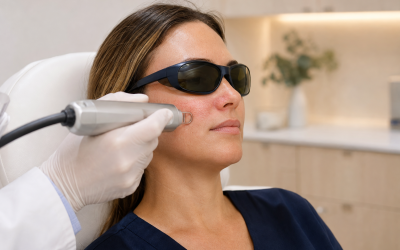
Fine red, purple, or blue veins appearing on the…
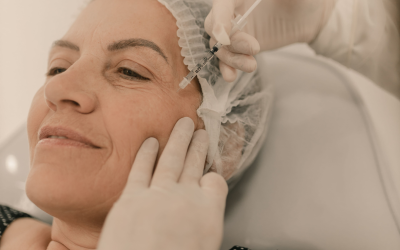
Mesotherapy involves the administration of small amounts of selected…
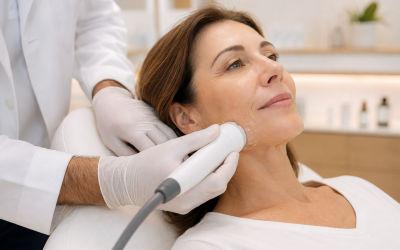
Radiofrequency treatments rely on generating heat within the skin…