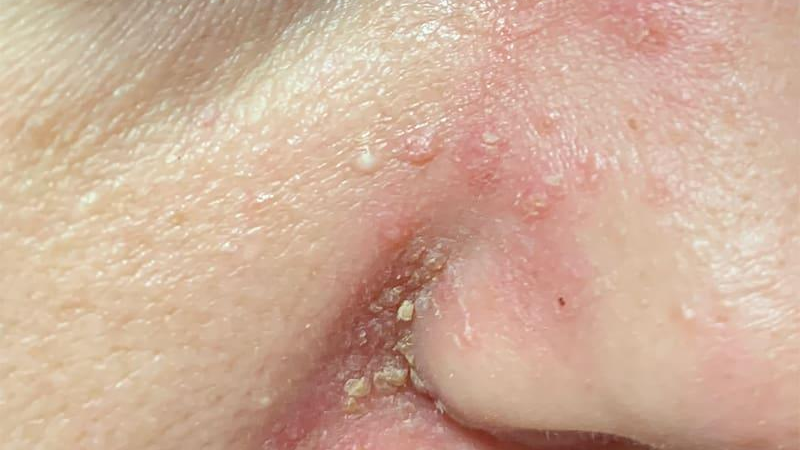
Seborrheic dermatitis is a chronic inflammatory skin condition that causes redness, itching, and flaking, particularly on the scalp, eyebrows, sides of the nose, around the ears, and center of the chest.
It is sometimes described as a form of eczema affecting oily areas of the skin.
The condition can flare up periodically. Appropriate treatment can control symptoms, but they may return over time.
Seborrheic dermatitis is not contagious and is not caused by poor hygiene.
Naturally occurring Malassezia yeasts, skin oils, and the individual’s immune response are thought to contribute to seborrheic dermatitis.
The condition is not simply caused by excessively oily skin.
Genetic predisposition, cold and dry weather, stress, certain neurological conditions, and conditions affecting the immune system may influence its course.
Common symptoms include:
The flakes may be fine and white or appear yellowish and greasy.
Both conditions can cause scalp redness and scaling.
Psoriasis usually produces thicker, well-defined plaques. Seborrheic dermatitis more often causes thinner scales that may appear greasy.
The two conditions can sometimes occur together. A dermatologic examination is important for an accurate diagnosis.
Treatment aims to reduce yeast levels and inflammation, relieve itching, and control recurrences.
Shampoos containing ingredients such as ketoconazole, ciclopirox, or selenium sulfide may be used for scalp involvement.
At the start of treatment, they are typically used several times a week, depending on the product.
The shampoo should reach the scalp and remain in contact for the recommended amount of time.
Once symptoms are controlled, weekly or intermittent maintenance use may be recommended for some patients.
Topical antifungal medications containing ketoconazole or ciclopirox may be used for facial redness and scaling.
For significant inflammation, a short course of a low-potency topical corticosteroid or, in suitable patients, a calcineurin inhibitor such as tacrolimus or pimecrolimus may be considered.
Prolonged use of corticosteroid creams on the face without medical supervision is not recommended.
Appropriate preparations containing keratolytic ingredients such as salicylic acid may help with heavy scalp scale buildup.
The aim is to soften scales without forcibly removing them and make other treatments easier to apply.
This approach should be planned according to the condition of the scalp.
New topical medications targeting inflammation in seborrheic dermatitis have been developed in recent years.
One option is roflumilast 0.3% foam, a PDE-4 inhibitor approved in the United States for treating seborrheic dermatitis in patients ages 9 and older.
Clinical studies have shown that it can reduce redness, scaling, and itching.
Its regulatory approval status and availability in Türkiye require separate assessment.
The diagnosis is reassessed when symptoms are widespread, severe, or resistant to standard treatment.
Systemic antifungal medications or other dermatologic approaches may be considered for selected patients.
Seborrheic dermatitis can be chronic and recurring, particularly in adults.
Symptoms may clear completely with treatment, but this does not mean they will never return.
Consistent skincare and maintenance treatment when needed may help reduce the frequency of flare-ups.
A dermatologic evaluation is recommended if flaking and redness keep returning, itching or scale buildup becomes significant, or shampoos do not improve symptoms.
Pain, drainage, noticeable hair loss, or widespread inflammation may require investigation for other conditions.
At Dr. Armin Müştak’s private dermatology practice, scalp and facial flaking, redness, and inflammatory lesions are assessed through a dermatologic examination.
A treatment and care plan is developed based on the areas affected, severity, frequency of flare-ups, and previous treatments.
Effective management of seborrheic dermatitis involves clearing existing flakes and establishing a care routine that helps control recurrences.
Seborrheic dermatitis is a chronic, recurring condition. Appropriate treatment can control redness, itching, and flaking. Consistent care and maintenance treatment can help reduce recurrences.
Significant inflammation and scratching may contribute to temporary hair shedding in some patients. However, seborrheic dermatitis generally does not permanently damage hair follicles. Noticeable or persistent hair loss should be evaluated for other causes.
Some medicated shampoos can be used once a week or at appropriate intervals for maintenance after symptoms are controlled. Frequency should depend on the product’s ingredients, scalp sensitivity, and your dermatologist’s recommendations.
Yes. Roflumilast 0.3% foam is a newer topical treatment that targets redness, scaling, and itching in seborrheic dermatitis. It has been approved in the United States, but availability may vary by country. Treatment is selected based on the patient’s clinical assessment.
Dermatology is the branch of medicine concerned with the…
Rosacea is a chronic inflammatory skin condition that primarily affects…
Eczema is a general term for inflammatory skin conditions that…
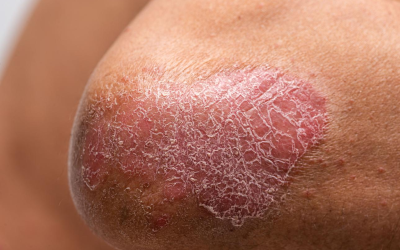
Psoriasis is a chronic, immune-mediated inflammatory condition that causes red,…
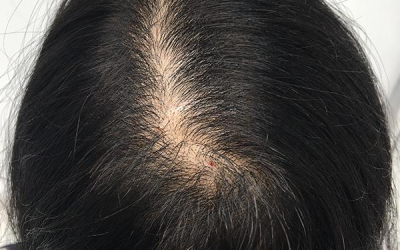
Hair loss is a common dermatologic concern that can affect…
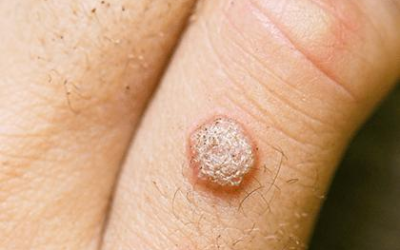
Warts are generally benign, contagious skin growths caused by certain…
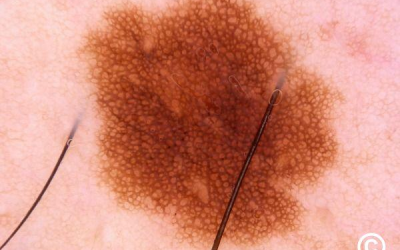
Moles, medically known as melanocytic nevi, are skin growths…
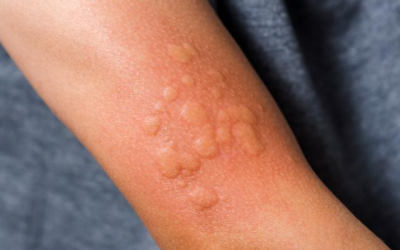
Urticaria, commonly known as hives, is a skin condition that…
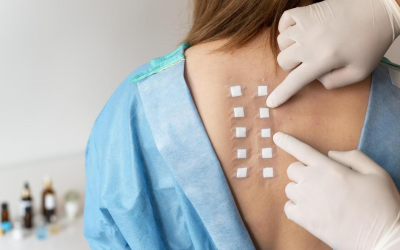
Allergic contact dermatitis is an inflammatory skin condition caused…
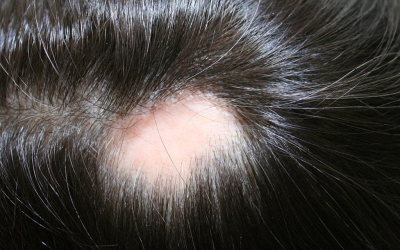
Alopecia areata is a condition in which the immune system…
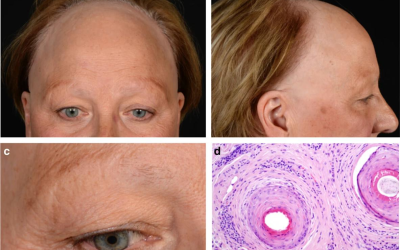
Eyebrow hair loss, medically known as eyebrow alopecia or madarosis,…
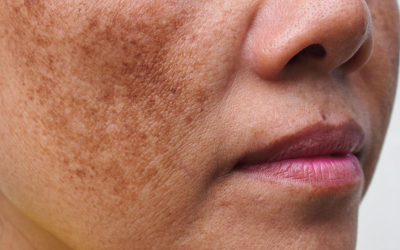
Melasma is a chronic pigmentation condition that causes brown or…
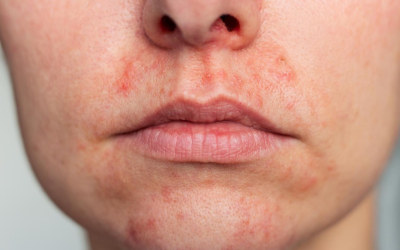
Perioral dermatitis is an inflammatory skin condition that causes small…
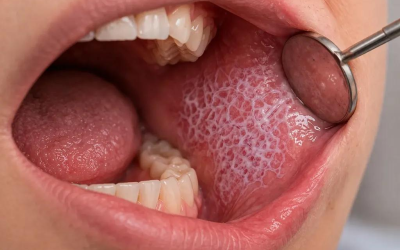
Lichen planus is a chronic, immune-related inflammatory condition that affects…

The effects of a product applied to the skin depend…

Human papillomavirus (HPV) is a common group of viruses…
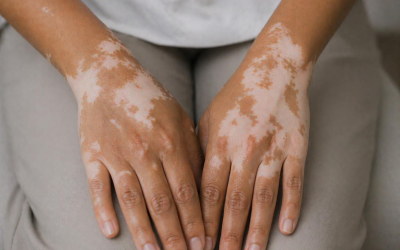
Vitiligo is a chronic skin condition characterized by white…

Acne is a chronic inflammatory skin condition that affects hair…