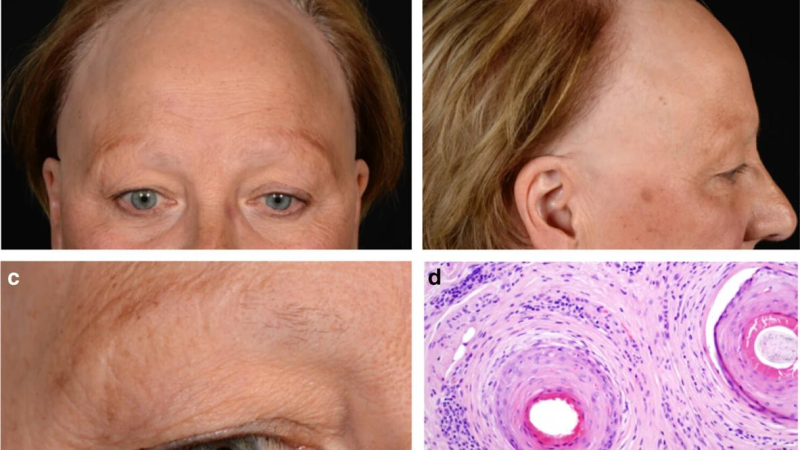
Eyebrow hair loss, medically known as eyebrow alopecia or madarosis, involves thinning or complete loss of hair in parts of the eyebrows.
Eyebrow hair loss is more than a cosmetic concern. It can sometimes be a sign of alopecia areata, thyroid disorders, eczema, or inflammatory conditions that affect hair follicles.
Not all eyebrow hair loss is permanent. With an accurate diagnosis and appropriate treatment, regrowth is possible for many patients.
Common causes include:
A dermatologic examination assesses the pattern of hair loss, the appearance of the underlying skin, redness, scaling, and the condition of the hair follicles.
Dermoscopy or trichoscopy may help identify the cause.
Thyroid function tests, iron studies, or other laboratory tests may be requested when needed.
A skin biopsy may be necessary if scarring alopecia is suspected.
Not every patient needs the same blood tests.
Treatment depends on the underlying cause.
Topical corticosteroids or low-dose corticosteroid injections into affected areas may be considered for suitable patients.
Because the area around the eyes is sensitive, treatment requires careful planning by an experienced physician.
Topical minoxidil may be used to encourage eyebrow regrowth in selected patients.
However, use on the eyebrows is generally off-label. Care is needed because of risks such as eye contact, irritation, and unwanted hair growth.
JAK inhibitors used particularly for severe alopecia areata may also help restore eyebrows and eyelashes in some patients.
Baricitinib and ritlecitinib are targeted medications used in this setting.
These treatments are not recommended for everyone with eyebrow thinning. Suitability depends on disease severity and the patient’s overall health.
When eyebrow loss is associated with eczema, seborrheic dermatitis, or a thyroid disorder, treatment first addresses the underlying condition.
Eyebrow regrowth may follow treatment of the cause.
For scarring conditions such as frontal fibrosing alopecia, the initial goal is to stop inflammation and preserve the remaining hair follicles.
Eyebrow transplantation may be considered in carefully selected cases where the condition has remained stable for a prolonged period. However, active underlying disease can adversely affect the results.
Regrowth depends on the cause of hair loss.
With alopecia areata, certain types of eczema, and temporary causes of shedding, regrowth is possible if the follicles remain intact.
However, spontaneous regrowth may not be expected in scarring alopecias that have permanently damaged the follicles.
Early diagnosis is therefore important, particularly when eyebrow loss is progressing.
At Dr. Armin Müştak’s private dermatology practice, eyebrow hair loss is assessed through a dermatologic examination. Testing and treatment are planned according to the pattern of loss, the condition of the follicles, and any accompanying skin symptoms.
An accurate diagnosis is important for identifying conditions in which eyebrow regrowth is possible and helping prevent permanent follicle damage.
It depends on the cause. Regrowth may be possible when eyebrow loss is related to alopecia areata, eczema, or temporary factors. However, eyebrows may not grow back if the follicles have been permanently damaged.
Yes. Hypothyroidism, in particular, can cause eyebrow thinning in some patients. However, not all eyebrow loss indicates a thyroid disorder. Thyroid function tests may be considered when needed.
Scientific evidence supporting these treatments for eyebrow hair loss is limited. Treatment should first address the underlying cause. PRP and mesotherapy should not replace established treatments.
Scarring conditions such as frontal fibrosing alopecia can permanently damage hair follicles. Early dermatologic evaluation is particularly important if eyebrow loss occurs alongside a receding frontal hairline, redness, or scaling.
Dermatology is the branch of medicine concerned with the…
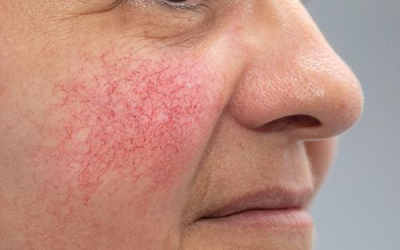
Rosacea is a chronic inflammatory skin condition that primarily affects…
Eczema is a general term for inflammatory skin conditions that…
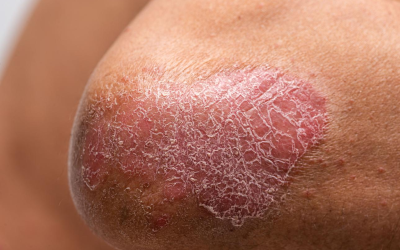
Psoriasis is a chronic, immune-mediated inflammatory condition that causes red,…
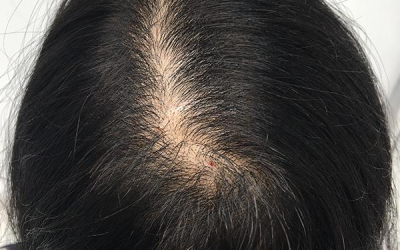
Hair loss is a common dermatologic concern that can affect…
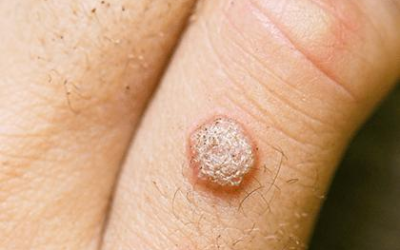
Warts are generally benign, contagious skin growths caused by certain…
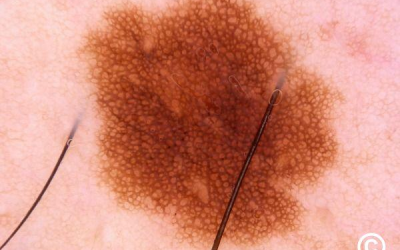
Moles, medically known as melanocytic nevi, are skin growths…
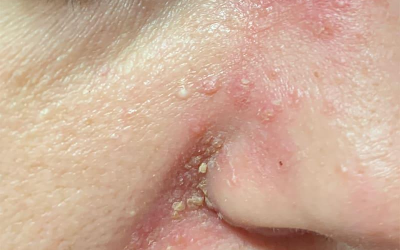
Seborrheic dermatitis is a chronic inflammatory skin condition that causes…
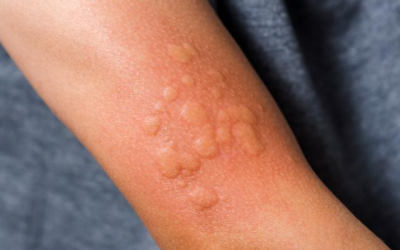
Urticaria, commonly known as hives, is a skin condition that…
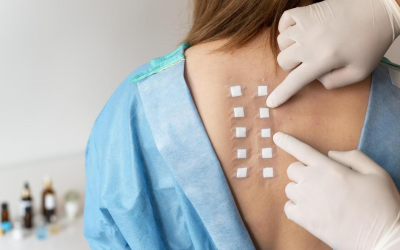
Allergic contact dermatitis is an inflammatory skin condition caused…
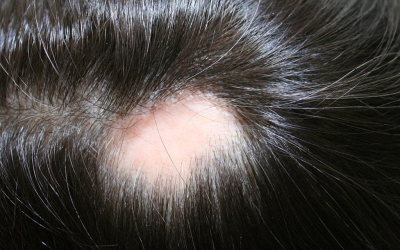
Alopecia areata is a condition in which the immune system…
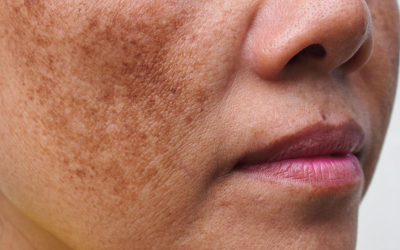
Melasma is a chronic pigmentation condition that causes brown or…
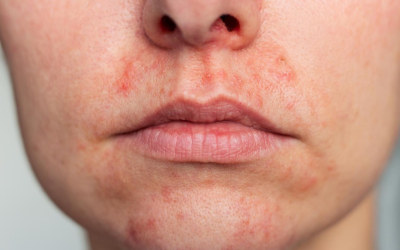
Perioral dermatitis is an inflammatory skin condition that causes small…
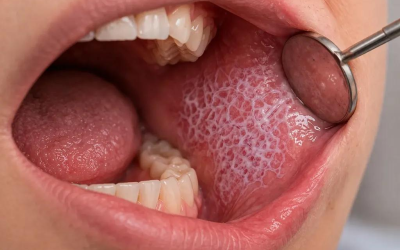
Lichen planus is a chronic, immune-related inflammatory condition that affects…

The effects of a product applied to the skin depend…

Human papillomavirus (HPV) is a common group of viruses…
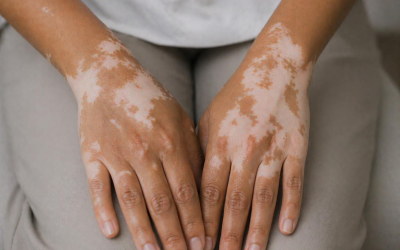
Vitiligo is a chronic skin condition characterized by white…

Acne is a chronic inflammatory skin condition that affects hair…