Vitiligo is a chronic skin condition characterized by white patches that develop when melanocytes, the cells that give skin its natural color, are lost.
These patches can affect different parts of the body. Over time, they may enlarge, appear in new areas, or remain unchanged for long periods.
Vitiligo is not contagious. It is not an infection and cannot spread from person to person through physical contact.
A better understanding of how vitiligo develops has led to new treatment options. Early dermatologic evaluation is important for assessing disease activity and planning appropriate treatment.
The immune system’s response against melanocytes plays an important role in the development of vitiligo.
Several factors are thought to contribute, including genetic predisposition, immune mechanisms, and oxidative stress.
In some patients, new white patches develop after skin injuries, friction, or sunburn. This is known as the Koebner phenomenon.
Vitiligo is not caused solely by psychological stress. However, stress may influence the course of the condition in some patients.
The main sign of vitiligo is patches that appear lighter than the surrounding skin or completely white.
Commonly affected areas include:
Hair in the affected areas may also turn white.
Vitiligo patches usually do not cause pain or itching. However, visible changes in skin color can affect quality of life and emotional well-being.
Vitiligo is usually diagnosed through a dermatologic examination.
When needed, a Wood’s lamp can help make areas of pigment loss more visible. This examination may be particularly useful in people with fair skin and when patches are at an early stage.
The examination assesses the extent and location of the patches, whether new patches are developing, and how quickly the condition is progressing.
Vitiligo can occur alongside certain autoimmune conditions, particularly autoimmune thyroid disorders. Additional tests may therefore be considered based on the patient’s medical history and clinical findings.
Yes. Appropriate treatment can help control progression and restore some of the lost skin color in certain areas.
However, treatment response varies from person to person.
Results may depend on the type, duration, and activity of vitiligo, the location of the patches, and the condition of pigment-producing cells in the hair follicles.
Patches on the face and neck may respond better, while restoring color to the fingertips, hands, and feet can be more difficult.
1. Topical Treatments
For suitable patients with limited areas of vitiligo, topical corticosteroids or calcineurin inhibitors such as tacrolimus may be used.
Treatment is selected based on the location of the patches, the patient’s age, and clinical findings.
2. Narrowband UVB Phototherapy
Narrowband UVB (NB-UVB) is an established light treatment for vitiligo, with effectiveness supported by scientific studies.
It may be considered particularly for widespread vitiligo. Treatment typically involves several sessions per week, and a noticeable response may take months to develop.
3. Targeted Phototherapy
A 308 nm excimer laser or lamp may be used to treat localized vitiligo patches.
These treatments deliver light directly to the affected areas of skin.
4. Newer Targeted Treatments
A better understanding of the immune mechanisms involved in vitiligo has supported the development of new medications.
One option is ruxolitinib 1.5% cream, a JAK inhibitor. Clinical studies have shown that it can help restore pigment in selected patients with nonsegmental vitiligo.
A physician should assess whether this treatment is appropriate, review its safety, and consider availability in Türkiye.
5. Surgical Treatments
Surgical techniques involving the transplantation of pigment-producing cells may be considered for selected, localized patches that have remained stable for a long time and have not responded to other treatments.
These approaches are not suitable for every patient.
Vitiligo treatment requires patience and regular follow-up.
Because pigment returns gradually, treatment response is generally assessed over months rather than weeks.
Some patients may notice color returning within a few months, while others may need a longer course of treatment.
White patches can recur after treatment, so maintenance treatment and regular dermatologic follow-up may be planned when needed.
Reduced pigment in affected areas means less natural protection against sunlight.
Using an appropriate sunscreen, avoiding sunburn, and protecting the skin from injury are important.
Self-administered high-dose ultraviolet exposure and tanning beds are not recommended.
No specific diet or vitamin supplement has been proven to eliminate vitiligo. Supplements should not be taken indiscriminately when no deficiency has been identified.
Vitiligo care should consider more than the appearance of white patches. Disease activity, the development of new patches, and the patient’s quality of life also need to be assessed.
At Dr. Armin Müştak’s private dermatology practice, patients with vitiligo receive a dermatologic examination. Appropriate treatment and follow-up options are discussed based on the type, extent, and activity of the condition.
Early evaluation, regular follow-up, and treatment planning based on each patient’s clinical assessment are important in vitiligo care.
No. Vitiligo is not contagious. It cannot spread through touching, hugging, sharing items, or close contact.
Treatment can help restore color to white patches and control the progression of vitiligo. However, complete improvement may not be possible for every patient, and the condition can recur after treatment. Treatment response varies from person to person.
Stress may be associated with the onset or progression of vitiligo in some patients. However, vitiligo is not caused by stress alone. The immune system and genetic factors play a more fundamental role.
People with vitiligo can spend time outdoors, but areas that have lost pigment are more prone to sunburn. Broad-spectrum sunscreen, protective clothing, and sun protection are important. Unsupervised sunbathing is not a substitute for vitiligo treatment.
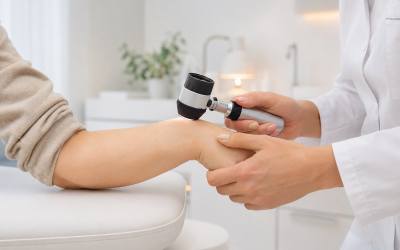
Dermatology is the branch of medicine concerned with the…
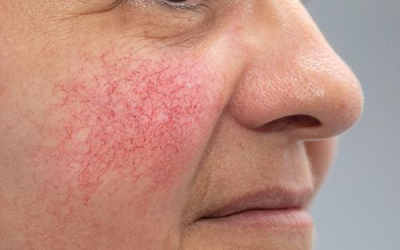
Rosacea is a chronic inflammatory skin condition that primarily affects…
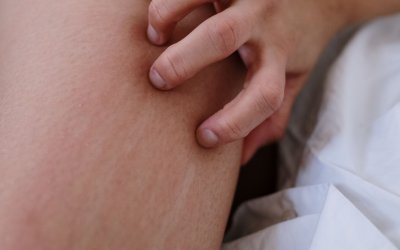
Eczema is a general term for inflammatory skin conditions that…
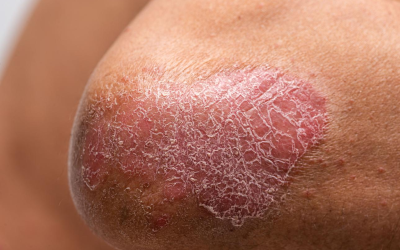
Psoriasis is a chronic, immune-mediated inflammatory condition that causes red,…
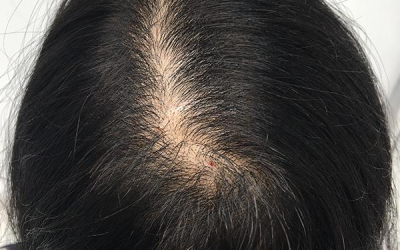
Hair loss is a common dermatologic concern that can affect…
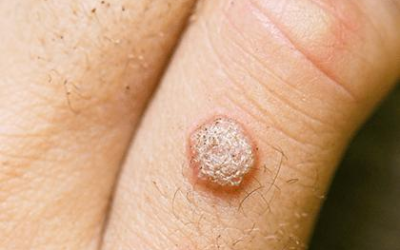
Warts are generally benign, contagious skin growths caused by certain…
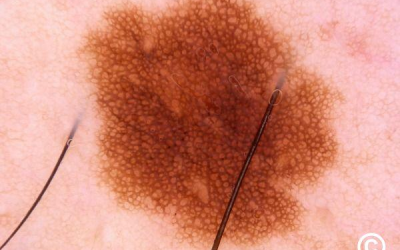
Moles, medically known as melanocytic nevi, are skin growths…
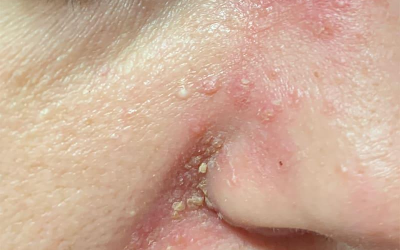
Seborrheic dermatitis is a chronic inflammatory skin condition that causes…
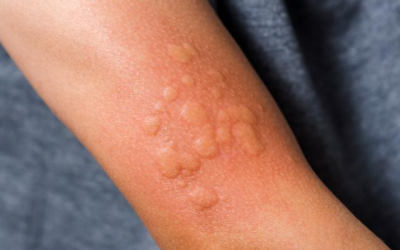
Urticaria, commonly known as hives, is a skin condition that…
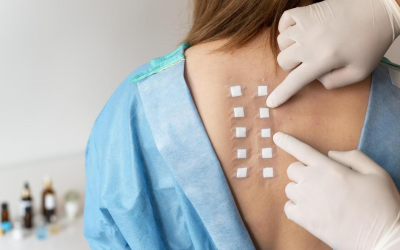
Allergic contact dermatitis is an inflammatory skin condition caused…
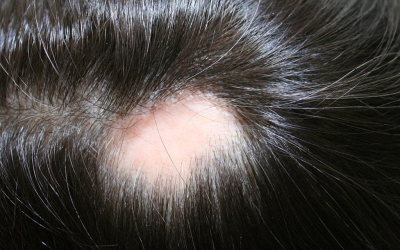
Alopecia areata is a condition in which the immune system…
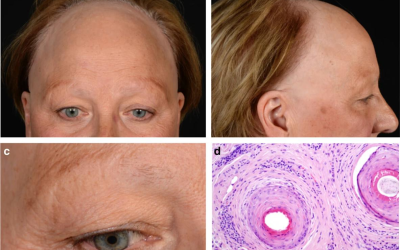
Eyebrow hair loss, medically known as eyebrow alopecia or madarosis,…
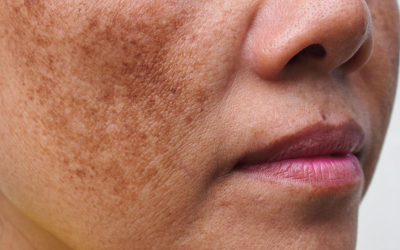
Melasma is a chronic pigmentation condition that causes brown or…
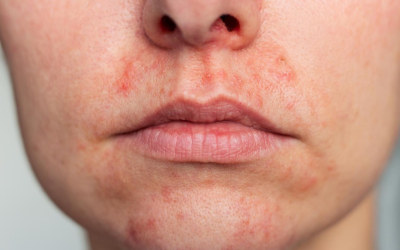
Perioral dermatitis is an inflammatory skin condition that causes small…
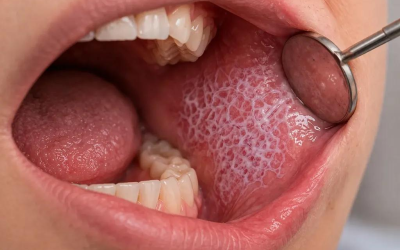
Lichen planus is a chronic, immune-related inflammatory condition that affects…

The effects of a product applied to the skin depend…

Human papillomavirus (HPV) is a common group of viruses…

Acne is a chronic inflammatory skin condition that affects hair…