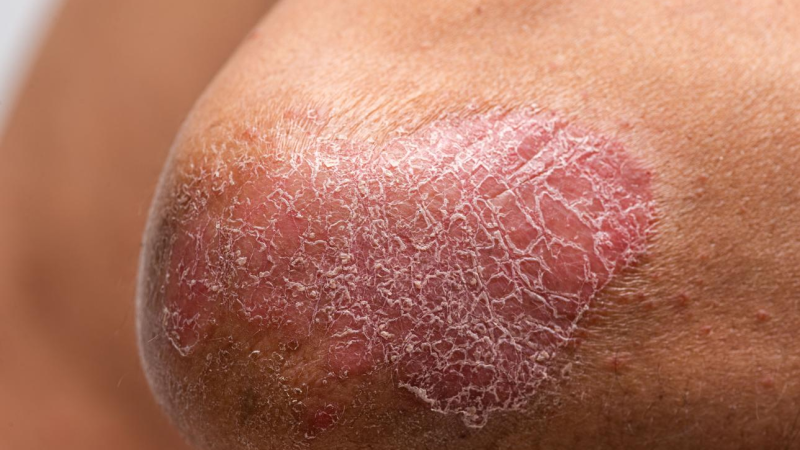
Psoriasis is a chronic, immune-mediated inflammatory condition that causes red, thickened patches of skin with whitish or silvery scales.
It most commonly affects the scalp, elbows, knees, and lower back, but it can also involve other areas of the body, the nails, and sometimes the joints.
Psoriasis is not contagious. It cannot spread through touching, hugging, or sharing items.
Current treatments can help keep psoriasis under control for extended periods in many patients.
Genetic predisposition and an inflammatory immune response play important roles in psoriasis.
Skin cells normally renew in an orderly cycle. In psoriasis, immune activity speeds up this process, causing thick, scaly plaques to form on the skin’s surface.
Factors that may contribute to the development of psoriasis or trigger flare-ups include:
Triggers vary from person to person.
Common symptoms include:
Some patients also experience joint pain, swelling, and morning stiffness.
This is the most common form of psoriasis. It causes scaly plaques on the elbows, knees, scalp, and trunk.
Scalp psoriasis causes redness, heavy flaking, and thick scale buildup. It can sometimes extend beyond the hairline.
This form causes numerous small, drop-shaped lesions, particularly on the trunk. It is more common in children and young adults and sometimes develops after a throat infection.
Inverse psoriasis affects the underarms, groin, and other skin folds. Scaling may be less noticeable in these areas, while redness and irritation can be more prominent.
These are less common forms of psoriasis that can sometimes be severe. Widespread redness, fever, fatigue, or numerous pustules may require urgent medical evaluation.
Psoriasis is usually diagnosed through a dermatologic examination.
The assessment considers the appearance and distribution of lesions, nail changes, and the patient’s medical history.
When needed, additional tests or a skin biopsy may help distinguish psoriasis from fungal infections, eczema, and other scaly skin conditions.
Treatment is planned based on the extent and location of psoriasis, the severity of itching, its effect on quality of life, and other health conditions.
Medications applied to the skin are usually the first choice for mild, localized psoriasis.
Corticosteroids: Help reduce redness, skin thickening, and inflammation.
Vitamin D analogs: Medications such as calcipotriene help regulate excessive skin cell growth. They may also be used in combination with corticosteroids.
Calcineurin inhibitors: A dermatologist may recommend these for suitable patients with psoriasis in sensitive areas, such as the face and skin folds.
Newer topical treatments: Nonsteroidal medications such as tapinarof and roflumilast are used to treat psoriasis in some countries. Their regulatory approval status and availability in Türkiye require separate assessment.
Medicated lotions, solutions, foams, or shampoos may be used for scalp psoriasis.
Appropriate keratolytic products, which help loosen scales, may be useful for thick buildup.
Preparations containing salicylic acid can help soften scales in some patients.
Picking off scales, vigorous combing, and irritating treatments are not recommended.
Narrowband UVB (NB-UVB) phototherapy may be used, particularly for widespread psoriasis or disease that has not responded adequately to topical treatments.
Treatment is delivered at scheduled intervals using controlled doses.
Tanning beds are not a substitute for medical phototherapy.
Oral or injectable treatments may be needed for moderate to severe psoriasis or persistent lesions affecting certain sensitive or difficult-to-treat areas.
Options include methotrexate, cyclosporine, acitretin, and apremilast.
Medication selection depends on the patient’s age, other health conditions, pregnancy plans, and safety assessment.
Biologic medications represent one of the major advances in psoriasis treatment in recent years.
They target specific immune signals involved in the condition.
Current biologic treatment groups include:
In suitable patients, biologic treatment can substantially improve skin lesions and may achieve clear or nearly clear skin.
However, these treatments are not appropriate for everyone. Infections and other risk factors are assessed before treatment, and regular monitoring is required throughout care.
TYK2 inhibitors are a newer group of targeted medications developed for psoriasis.
Deucravacitinib is one option for suitable patients with moderate to severe plaque psoriasis.
A dermatologist should assess treatment suitability, safety, and availability in Türkiye.
Some people with psoriasis develop an inflammatory joint condition called psoriatic arthritis.
Symptoms to watch for include:
These symptoms warrant coordinated evaluation by a dermatologist and a rheumatologist.
Early diagnosis is important for reducing the risk of permanent joint damage.
Psoriasis can affect more than the skin.
Assessment for conditions such as obesity, metabolic syndrome, high blood pressure, diabetes, and cardiovascular disease is particularly important in people with moderate to severe psoriasis.
Overall health should therefore be considered as part of psoriasis care.
Psoriasis is a chronic condition. There is currently no treatment that provides a permanent cure for every patient.
However, current treatments can provide long-term control and, in some patients, clear or nearly clear skin.
The condition may flare up again after treatment is stopped.
No specific diet or herbal mixture has been proven to eliminate psoriasis.
Psoriasis care aims to reduce scaling, provide long-term disease control, improve quality of life, and assess associated health concerns.
At Dr. Armin Müştak’s private dermatology practice, patients with psoriasis receive a dermatologic examination. A treatment and follow-up plan is developed based on the type, extent, and location of psoriasis, along with previous treatments.
Effective treatment options are available for psoriasis. Accurate diagnosis, appropriate treatment, and regular follow-up can help keep symptoms well controlled.
No. Psoriasis is not contagious. It cannot spread through touching, hugging, sharing towels, or close contact.
Psoriasis is a chronic, recurring condition. A complete, permanent cure is not possible for every patient. However, current medications and biologic treatments can provide long-term control, and some patients may achieve clear skin.
Biologic medications target specific parts of the inflammatory pathways involved in psoriasis. They can be effective, particularly for moderate to severe psoriasis. Treatment suitability and safety must be assessed before starting therapy.
Yes. Some patients develop an inflammatory joint condition called psoriatic arthritis. Tell your dermatologist if you experience joint pain, swelling, morning stiffness, or heel pain. Early evaluation is important for reducing the risk of permanent joint damage.
Dermatology is the branch of medicine concerned with the…
Rosacea is a chronic inflammatory skin condition that primarily affects…
Eczema is a general term for inflammatory skin conditions that…
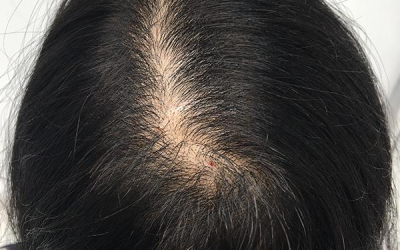
Hair loss is a common dermatologic concern that can affect…
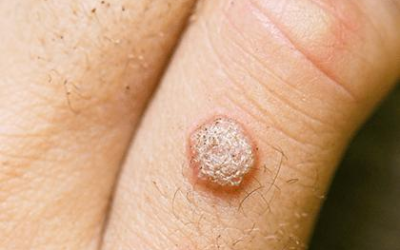
Warts are generally benign, contagious skin growths caused by certain…
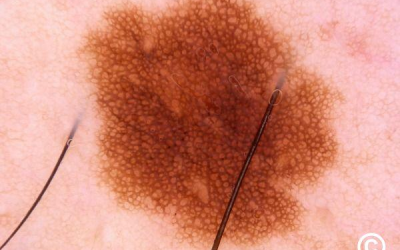
Moles, medically known as melanocytic nevi, are skin growths…
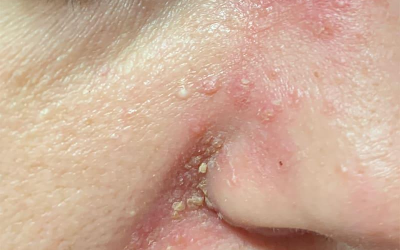
Seborrheic dermatitis is a chronic inflammatory skin condition that causes…
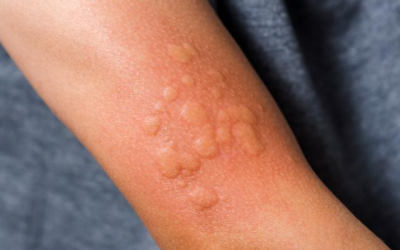
Urticaria, commonly known as hives, is a skin condition that…
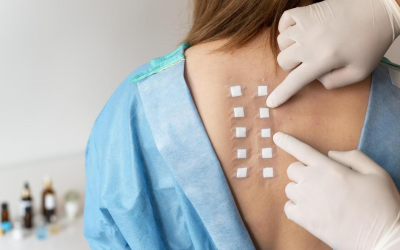
Allergic contact dermatitis is an inflammatory skin condition caused…
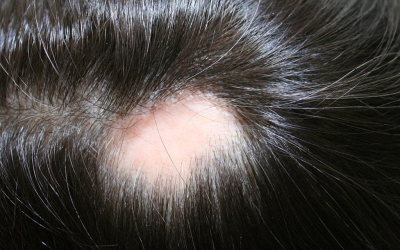
Alopecia areata is a condition in which the immune system…
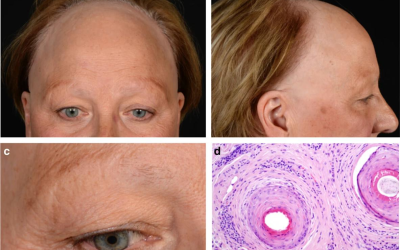
Eyebrow hair loss, medically known as eyebrow alopecia or madarosis,…
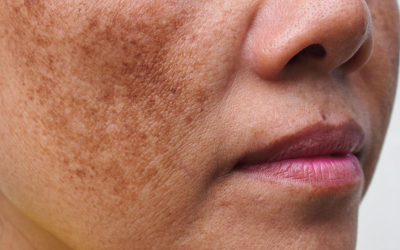
Melasma is a chronic pigmentation condition that causes brown or…
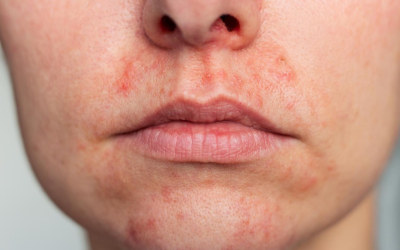
Perioral dermatitis is an inflammatory skin condition that causes small…
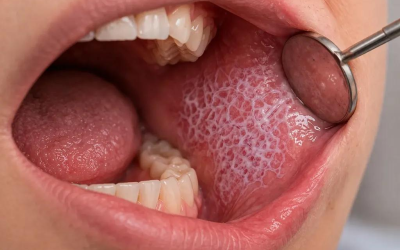
Lichen planus is a chronic, immune-related inflammatory condition that affects…

The effects of a product applied to the skin depend…

Human papillomavirus (HPV) is a common group of viruses…
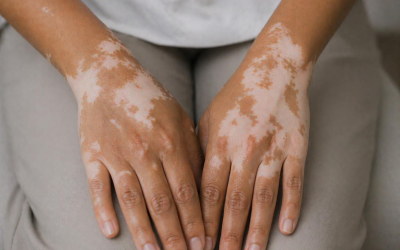
Vitiligo is a chronic skin condition characterized by white…

Acne is a chronic inflammatory skin condition that affects hair…