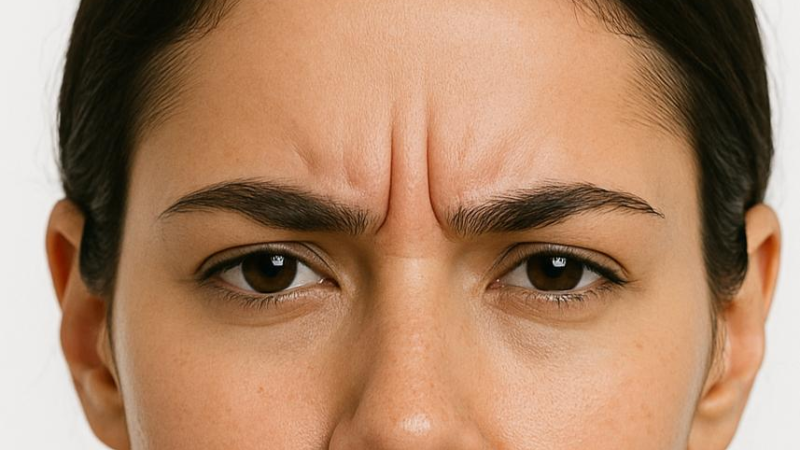
The forehead forms the upper third of the face and plays an important role in facial aesthetics.
Its height, slope, curvature, and relationship to the eyebrows influence overall facial proportions and the profile.
The glabella is the area between the eyebrows, just above the bridge of the nose.
Aesthetic treatment of the forehead and glabella aims to create a balanced appearance while preserving natural facial anatomy and expression.
The forehead extends from the hairline to the eyebrows. It is assessed together with the temples, eye area, and nasal bridge.
The main features that shape its appearance include:
A flat, prominent, or rounded forehead does not necessarily indicate an aesthetic concern. Its relationship to the rest of the face is what matters.
On average, female and male faces may have certain anatomical differences.
Women often have a more rounded forehead contour with softer transitions and less prominent brow ridges.
Men may have more prominent brow ridges and a more pronounced glabella. In some men, the forehead profile appears more sloped and angular.
However, these are general observations. There is considerable anatomical variation within both groups.
Aesthetic facial assessment should guide treatment toward results that complement each person’s features, without relying on a standard female or male facial template.
The glabella lies between the eyebrows, just above the bridge of the nose.
Its appearance depends on two main factors:
Bone structure: The anatomical relationship between the brow ridges, forehead bone, and nasal bridge.
Muscle movement: The activity of facial muscles that draw the eyebrows together and downward.
These muscles are particularly active during frowning.
Over time, repeated facial movements, reduced skin elasticity, and aging can make frown lines visible even when the face is at rest.
Horizontal forehead lines develop largely through the activity of the frontalis muscle.
This muscle raises the eyebrows.
People who frequently raise their brows may notice these lines earlier.
Vertical lines between the eyebrows are associated primarily with the corrugator supercilii and other muscles involved in frowning.
These lines may deepen over time.
Activity of the procerus muscle can create horizontal lines across the lower glabella, near the top of the nasal bridge.
Their appearance varies with individual muscle anatomy and patterns of facial movement.
A profile assessment considers the slope of the forehead, the prominence of the brow ridges, and the transition to the nasal bridge together.
The outward curvature of the upper forehead and the forward projection of the glabella are distinct anatomical features.
Some people have a gently convex forehead with a more prominent glabella. Others have a smoother transition from the forehead to the nasal bridge.
There is no single ideal forehead angle for everyone.
Facial character reflects the relationships among the forehead, nose, chin, eyebrows, and cheekbones.
Aging involves reduced skin elasticity, repeated muscle movements, and changes in supporting tissues.
Over time:
People who feel heaviness in their eyelids may unconsciously keep their eyebrows raised.
In these cases, forehead lines may reflect an ongoing effort to hold the brows up.
Brow position should therefore be assessed before wrinkle treatment.
Botulinum toxin is one of the main treatments used to soften expression lines on the forehead and between the eyebrows.
The glabellar frown muscles and the frontalis muscle are assessed according to each patient’s facial movement patterns.
Treatment aims to reduce excessive muscle activity in suitable patients while preserving natural expression.
Because the forehead and glabellar muscles work together, treatment should be planned with their combined function in mind.
Inappropriate muscle targeting or dosing may cause brow drooping, eyelid drooping, or an unwanted change in brow shape.
For fine surface lines and changes in skin quality, suitable patients may benefit from topical retinoids, sun protection, and selected skin resurfacing procedures.
Fractional lasers and certain other dermatologic procedures may help improve skin texture.
These treatments do not change bone structure or prominent bony contours.
Injectable treatments may be considered for forehead contour irregularities or volume loss in selected patients.
However, the forehead—and particularly the glabella—carries a very high risk for filler injections because of its vascular anatomy.
Complications can include vascular occlusion, skin necrosis, and, very rarely, permanent vision loss.
Forehead or glabellar filler injections should therefore not be considered routine wrinkle treatments. Safer alternatives should be reviewed first.
Botulinum toxin cannot correct prominent forehead bones, differences in hairline position, or contours determined by bone structure.
Surgical assessment may be appropriate for selected patients with these concerns.
A natural-looking result does not require every line to disappear.
Forehead movements are an important part of communication.
Planning that preserves natural brow movement and considers the eye area and overall expression may produce a more balanced result.
For some patients, subtle softening of forehead lines is enough. For others, reducing muscle activity between the eyebrows is a greater priority.
Appropriate treatment should address the anatomical factors behind a wrinkle as well as its location.
At Dr. Armin Müştak’s private dermatology practice, the forehead and glabella are assessed together with brow position, facial muscle activity, temple contours, and overall facial proportions.
For suitable patients, botulinum toxin and dermatologic procedures that support skin quality may be planned based on individual needs.
The aim is to achieve a balanced, realistic aesthetic improvement while preserving natural facial expression and anatomical features.
A sound approach to forehead aesthetics considers the forehead, glabella, brows, and eye area as a whole when planning treatment.
On average, women may have a more rounded forehead contour, while men may have more prominent brow ridges. However, these are not fixed standards of beauty. Aesthetic assessment is guided by each person’s natural facial proportions.
Botulinum toxin can soften forehead lines and frown lines caused by facial movements. However, deep lines that remain visible at rest may not disappear completely. Treatment should be planned based on each patient’s clinical assessment.
Yes. Inappropriate injection placement or dosing can cause brow or eyelid drooping. Assessing muscle activity and brow position before treatment is especially important in patients who rely heavily on their forehead muscle to keep their eyebrows raised.
The forehead and glabella are high-risk areas for serious complications, including vascular occlusion and vision loss. Filler injections should therefore not be considered a routine solution. The risks and alternatives require careful assessment.

Aesthetic dermatology focuses on maintaining skin health, evaluating age-related changes,…
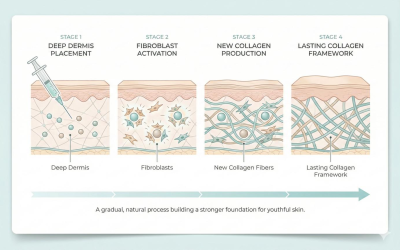
Poly-L-lactic acid (PLLA) is a biocompatible, biodegradable injectable material…
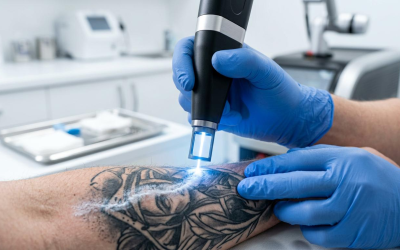
What Is Laser Tattoo Removal? Picosecond Laser Treatment Tattoos…
Facial aesthetics involves more than lip fullness, cheekbone definition, or…
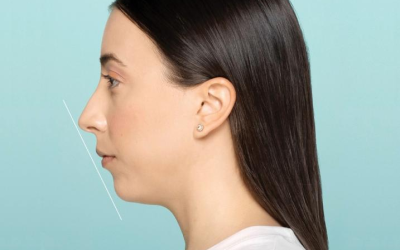
The position of the chin in relation to the rest…
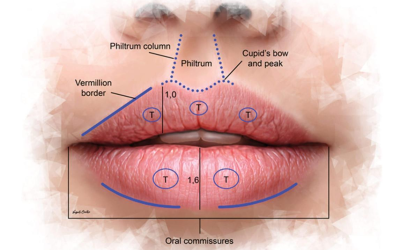
The lips play an important role in facial expression, the…
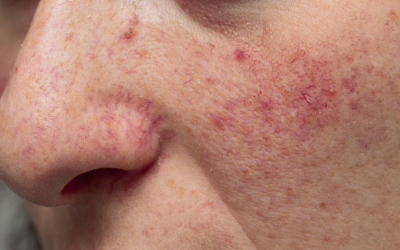
Fine red, purple, or bluish blood vessels on the face,…
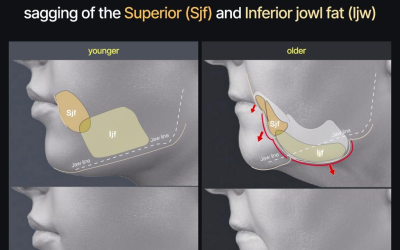
Facial sagging describes changes in facial contours and soft tissues…

The eye area is one of the face’s most…
Laser hair removal is a light-based procedure designed…

Facial changes over time involve more than just wrinkles.…
Botulinum toxin is a medical product that temporarily reduces…
Dermal filler treatments are injection procedures performed to address…

PRP stands for "Platelet-Rich Plasma." A small sample of…
Fine red, purple, or blue veins appearing on the…
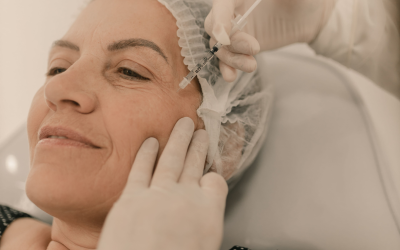
Mesotherapy involves the administration of small amounts of selected…
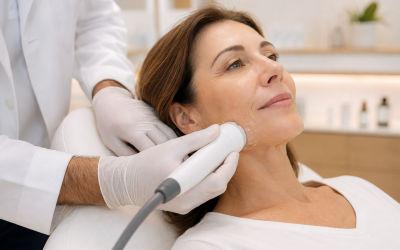
Radiofrequency treatments rely on generating heat within the skin…