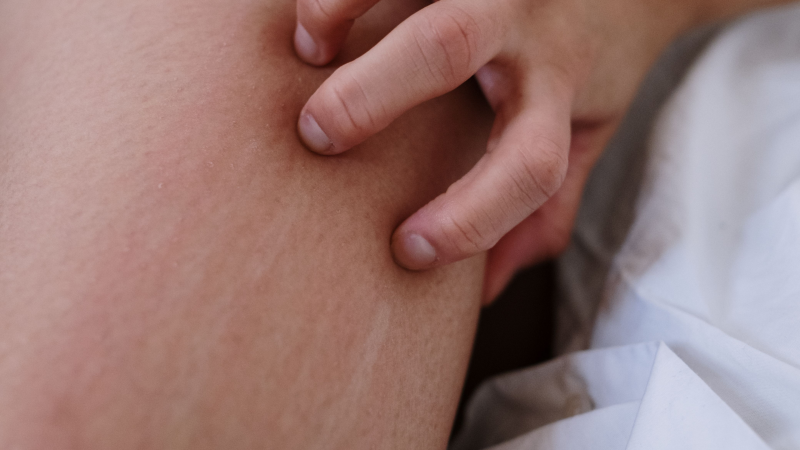
Eczema is a general term for inflammatory skin conditions that cause redness, dryness, itching, and sometimes cracking or oozing.
One of the most common types is atopic dermatitis.
Atopic dermatitis often begins in childhood, but it can also affect adults. The condition may flare up periodically and require long-term follow-up.
Eczema is not contagious. Appropriate treatment and consistent skincare can help keep symptoms well controlled.
A weakened skin barrier and an inflammatory immune response play important roles in eczema.
The skin barrier normally prevents moisture loss and protects against environmental substances. In atopic dermatitis, this barrier may not function properly.
Factors that may contribute include:
However, not all eczema is caused by allergies. Routine allergy testing is therefore not necessary for every patient.
Itching is the main symptom of eczema.
Other symptoms may include:
In infants, eczema commonly affects the cheeks, scalp, and outer surfaces of the arms and legs.
In older children, the inner elbows and backs of the knees are frequently affected.
Adults may develop eczema on the hands, face, eyelids, neck, and other areas of the body.
A recurring inflammatory skin condition typically associated with dry skin and intense itching.
This develops after the skin comes into contact with irritants or allergens. Detergents, cosmetics, metals, and certain workplace substances may be involved.
Hand eczema may be associated with frequent handwashing, detergent exposure, glove use, occupational exposures, or a predisposition to atopic conditions.
This can cause redness and flaking in areas with many oil glands, such as the scalp, eyebrows, sides of the nose, and chest.
An accurate diagnosis is important because these conditions may require different treatments.
Eczema is usually diagnosed through a dermatologic examination and a review of the patient’s medical history.
The assessment considers the location of the rash, the pattern of itching, when symptoms began, and possible triggers.
Patch testing may be needed when allergic contact dermatitis is suspected.
There is no single blood test that everyone needs to diagnose atopic dermatitis.
Treatment aims to relieve itching, reduce inflammation, repair the skin barrier, and help prevent further flare-ups.
The plan depends on the type and severity of eczema, the patient’s age, and the areas affected.
Regular moisturizing is a foundation of atopic dermatitis treatment.
Suitable moisturizers support the skin barrier, reduce water loss, and help relieve itching associated with dryness.
Moisturizers should be used during flare-ups and when the condition is calm.
Corticosteroid creams or ointments may be used during flare-ups to reduce redness and inflammation.
A dermatologist should determine the medication’s strength, where it should be applied, and how long it should be used.
These medications are effective when used appropriately, but prolonged use without medical supervision can cause side effects.
Calcineurin inhibitors such as tacrolimus and pimecrolimus may be suitable for sensitive areas, including the face, eyelids, and skin folds.
In selected patients, they may also be used intermittently to help prevent flare-ups.
New topical medications targeting inflammatory pathways in atopic dermatitis have been developed in recent years.
These include topical JAK inhibitors, PDE-4 inhibitors, and medications that act on the aryl hydrocarbon receptor.
Active ingredients such as ruxolitinib, roflumilast, and tapinarof have been studied in specific patient groups and approved in some countries.
Their suitability and availability in Türkiye require separate assessment.
Narrowband UVB (NB-UVB) phototherapy may be used in suitable patients.
It is an option particularly for widespread atopic dermatitis that has not responded adequately to other treatments.
Treatment options for moderate to severe atopic dermatitis have expanded significantly in recent years.
Biologic medications such as dupilumab, tralokinumab, and lebrikizumab target specific immune signals involved in inflammation.
Nemolizumab is a newer treatment that targets the IL-31 signaling pathway, which is closely associated with itching.
A dermatologist may consider these treatments for suitable patients when standard care is insufficient.
JAK inhibitors such as upadacitinib, abrocitinib, and baricitinib are effective systemic treatment options for some patients with moderate to severe atopic dermatitis.
However, the risk of infections and other significant side effects means these medications require careful patient selection, appropriate testing, and regular monitoring.
They are not suitable for everyone.
Eczema may become much milder as some children grow older. In others, it can persist into adulthood.
No single treatment provides a complete, permanent cure for every patient with atopic dermatitis.
However, current treatments can help keep the condition under control for extended periods.
Daily skincare is an essential part of treatment.
Herbal mixtures, essential oils, or irritating products should not be used indiscriminately to treat eczema.
Food allergies can coexist with atopic dermatitis, but not everyone with eczema has a food allergy.
Eliminating staple foods such as milk, eggs, or wheat without medical advice can lead to nutritional problems, particularly in children.
Dietary restrictions should be based on an appropriate clinical assessment.
A dermatologic evaluation is recommended if eczema recurs frequently, causes severe itching, disrupts sleep, or affects daily life.
Yellow crusting, pus, worsening pain, fever, or rapidly spreading redness requires assessment for a possible infection.
Painful clusters of fluid-filled blisters or rapidly spreading skin lesions may require urgent medical evaluation.
Eczema care aims to reduce the existing rash, support the skin’s protective barrier, and help prevent further flare-ups.
At Dr. Armin Müştak’s private dermatology practice, patients with eczema receive a dermatologic examination. A treatment and follow-up plan is developed based on the type and severity of eczema, possible triggers, and previous treatments.
Accurate diagnosis, regular moisturizing, and appropriate anti-inflammatory treatment are central to long-term eczema control.
Atopic dermatitis can be a chronic, recurring condition. It may improve over time in some children but can persist into adulthood. Current treatments and consistent skincare can help keep itching, redness, and flare-ups well controlled.
No. Eczema is not contagious and cannot spread through touching, hugging, or sharing items. However, a secondary infection can sometimes develop in affected skin and requires separate assessment.
Topical corticosteroids are effective and generally safe when used at the appropriate strength, on the correct areas, and for the recommended duration. Use without medical supervision or for longer than necessary can cause side effects. Follow your physician’s treatment instructions.
Yes. Targeted treatments, including biologic medications and JAK inhibitors, have been developed, particularly for moderate to severe atopic dermatitis. They are not suitable for everyone. Treatment selection requires an assessment of disease severity, age, other health conditions, and safety considerations.
Dermatology is the branch of medicine concerned with the…
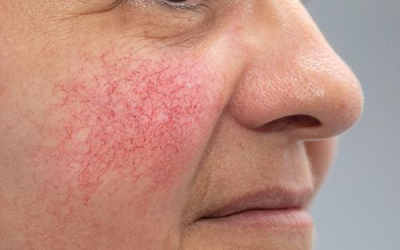
Rosacea is a chronic inflammatory skin condition that primarily affects…
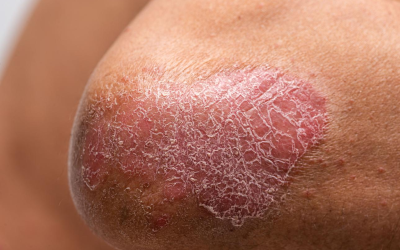
Psoriasis is a chronic, immune-mediated inflammatory condition that causes red,…
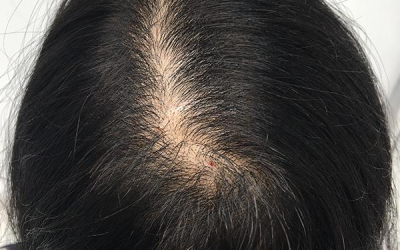
Hair loss is a common dermatologic concern that can affect…
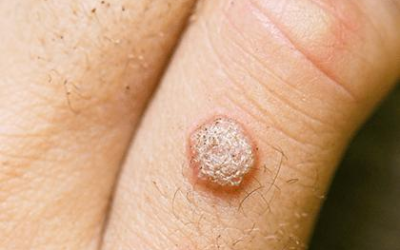
Warts are generally benign, contagious skin growths caused by certain…
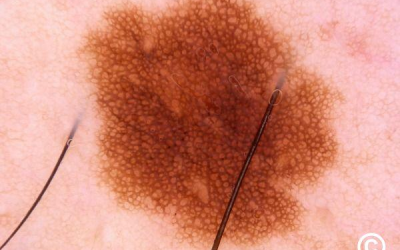
Moles, medically known as melanocytic nevi, are skin growths…
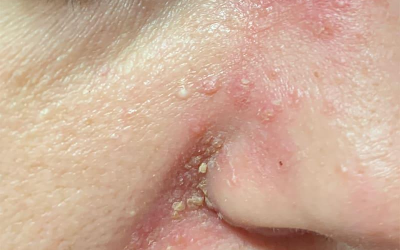
Seborrheic dermatitis is a chronic inflammatory skin condition that causes…
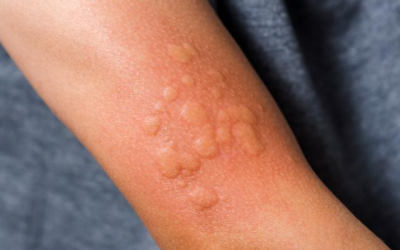
Urticaria, commonly known as hives, is a skin condition that…
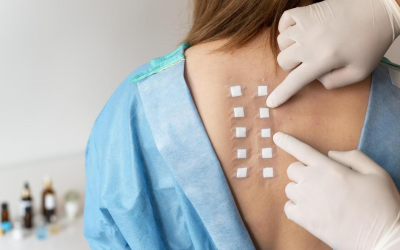
Allergic contact dermatitis is an inflammatory skin condition caused…
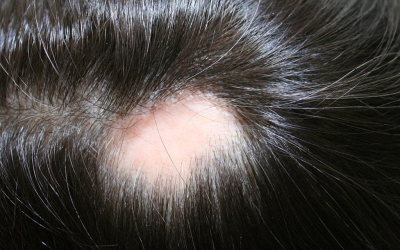
Alopecia areata is a condition in which the immune system…
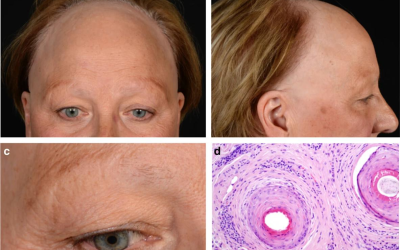
Eyebrow hair loss, medically known as eyebrow alopecia or madarosis,…
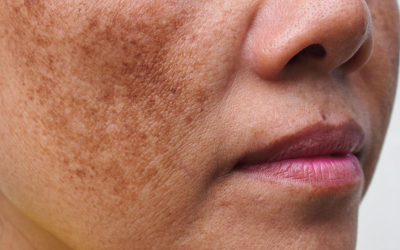
Melasma is a chronic pigmentation condition that causes brown or…
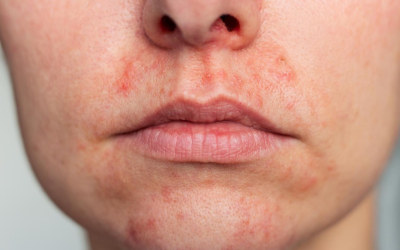
Perioral dermatitis is an inflammatory skin condition that causes small…
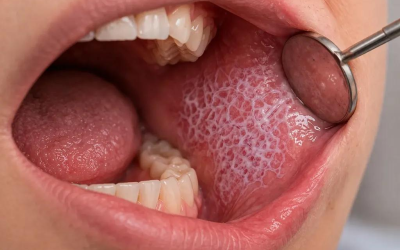
Lichen planus is a chronic, immune-related inflammatory condition that affects…

The effects of a product applied to the skin depend…

Human papillomavirus (HPV) is a common group of viruses…
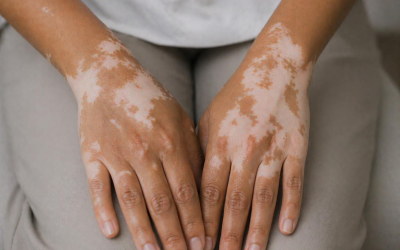
Vitiligo is a chronic skin condition characterized by white…

Acne is a chronic inflammatory skin condition that affects hair…