Lichen planus is a chronic, immune-related inflammatory condition that affects the skin and sometimes the mouth, genital area, scalp, and nails.
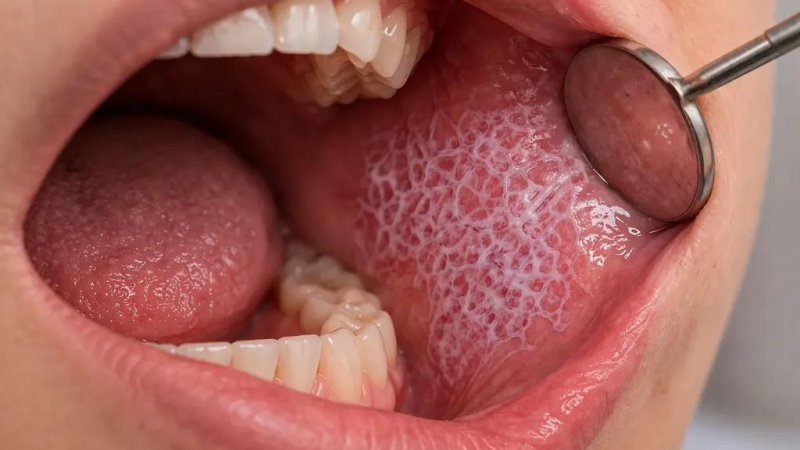
On the skin, it typically causes small, itchy, flat-topped, purplish-red bumps. In the mouth, it may cause white, lace-like lines or painful sores.
Lichen planus is not contagious. Appropriate treatment can help control itching, pain, and inflammation.
The exact cause is not fully understood.
An inflammatory immune response directed against skin and mucosal cells plays an important role.
Genetic predisposition, certain medications, and environmental factors may be associated with the condition.
Some patients also have hepatitis C infection. Additional assessment may be considered based on medical history and individual risk.
Medication-induced lichenoid reactions can also resemble lichen planus.
Symptoms vary depending on the area affected.
Brown or gray marks may remain after skin lesions resolve.
Itchy, purplish bumps commonly develop on the wrists, ankles, lower back, and legs.
Fine white lines called Wickham striae may appear on the surface of some lesions.
White, lace-like lines may develop inside the cheeks, on the tongue, or on the gums.
Some patients develop painful sores and a burning sensation.
Regular assessment is particularly important for persistent oral sores that do not heal.
This can affect the genital mucosa in women and men.
It may cause burning, pain, redness, and superficial sores. Scarring can develop in some severe, long-standing cases.
Lichen planopilaris is an inflammatory form of lichen planus that affects hair follicles.
Scalp redness, scaling, and burning may occur. Without treatment, it can lead to permanent follicle loss.
This can cause nail thinning, longitudinal ridging, splitting, or nail loss.
Early evaluation is important because some patients may develop permanent nail damage.
Diagnosis is usually based on a dermatologic examination.
The assessment considers the appearance and distribution of skin lesions, along with any oral or nail involvement.
Dermoscopy and a skin biopsy may be used when needed.
Biopsy and pathologic examination may be particularly important for persistent or suspicious oral lesions.
Treatment is planned according to the areas affected, disease severity, and the patient’s symptoms.
Corticosteroid creams or ointments are often among the first treatment options for localized cutaneous lichen planus.
They help reduce inflammation and itching.
A dermatologist determines the appropriate strength and duration of treatment.
Calcineurin inhibitors such as tacrolimus and pimecrolimus may be used in suitable patients, particularly on certain sensitive skin and mucosal areas.
Their use for lichen planus may be off-label in some circumstances.
Corticosteroid injections into affected areas may be considered for thickened, localized, or resistant lesions.
They may also be used for selected cases involving the nails or scalp.
Narrowband UVB phototherapy may help some patients with widespread cutaneous lichen planus.
However, it is not suitable for every type. Forms triggered by sunlight require a different approach.
Oral medications may be needed for severe or widespread disease.
Options for selected patients may include corticosteroids, acitretin, methotrexate, hydroxychloroquine, or other medications that regulate the immune system.
These treatments require regular clinical follow-up and laboratory monitoring when appropriate.
New treatments targeting immune mechanisms involved in lichen planus are being investigated.
Promising results have been reported with JAK inhibitors and certain biologic medications.
However, these are not yet established routine treatments for all forms of lichen planus.
Their suitability should be assessed according to the type and severity of the condition and the available scientific evidence.
Oral lichen planus can persist and recur.
Appropriate local treatment and regular follow-up are particularly important for painful, erosive lesions.
The risk of oral cancer in people with oral lichen planus is low but higher than usual. Regular monitoring is therefore necessary, particularly for persistent and erosive lesions.
This does not mean that every oral lichen planus lesion will become cancerous.
Cutaneous lichen planus may improve substantially over several months or a few years in some patients.
However, involvement of the mouth, genital area, scalp, or nails can be more persistent and resistant to treatment.
The condition may recur.
Treatment aims to control symptoms, reduce inflammation, and prevent permanent tissue damage.
A dermatologic evaluation is recommended for persistent, itchy, purplish rashes, white lines inside the mouth, or sores that do not heal.
Early evaluation is particularly important for permanent scalp hair loss, progressive nail changes, or painful genital sores.
At Dr. Armin Müştak’s private dermatology practice, patients with suspected lichen planus receive a dermatologic examination.
An appropriate treatment and follow-up plan is developed based on the areas affected, disease severity, and any mucosal or nail involvement.
Accurate diagnosis, appropriate treatment, and regular follow-up are important for controlling lichen planus and helping prevent permanent tissue damage.
No. Lichen planus is an immune-related inflammatory condition. It cannot spread through touching, kissing, or sharing items.
Cutaneous lichen planus may clear completely over time in some patients. However, involvement of the mouth, genital area, scalp, or nails may persist longer or recur. Appropriate treatment can help control symptoms.
Oral lichen planus is associated with a low but increased risk of oral cancer, so regular monitoring is important. Nonhealing sores and lesions that grow or become firm should be assessed promptly.
Yes. A form called lichen planopilaris can cause inflammation around hair follicles and permanent hair loss. Early diagnosis and treatment are important for preserving the remaining follicles.
Dermatology is the branch of medicine concerned with the…
Rosacea is a chronic inflammatory skin condition that primarily affects…
Eczema is a general term for inflammatory skin conditions that…
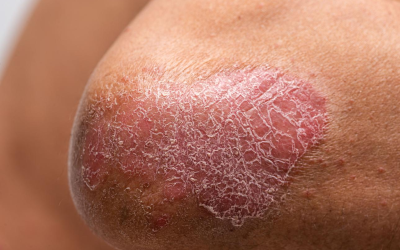
Psoriasis is a chronic, immune-mediated inflammatory condition that causes red,…
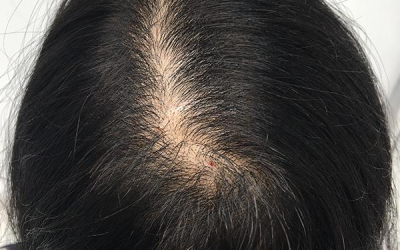
Hair loss is a common dermatologic concern that can affect…
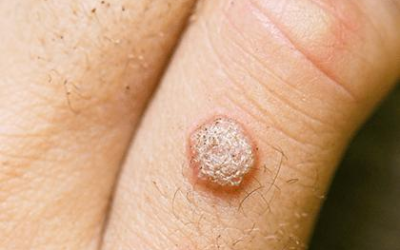
Warts are generally benign, contagious skin growths caused by certain…
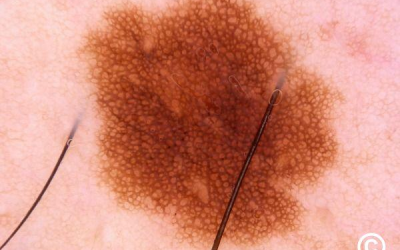
Moles, medically known as melanocytic nevi, are skin growths…
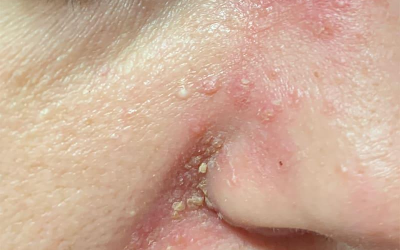
Seborrheic dermatitis is a chronic inflammatory skin condition that causes…
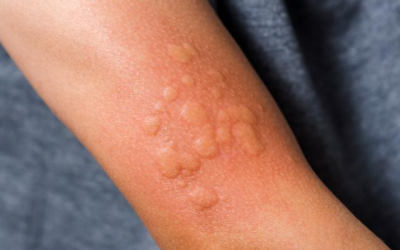
Urticaria, commonly known as hives, is a skin condition that…
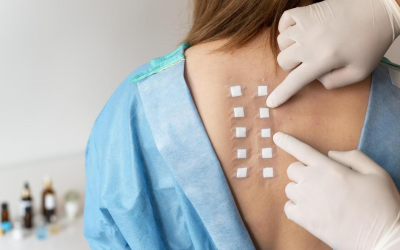
Allergic contact dermatitis is an inflammatory skin condition caused…
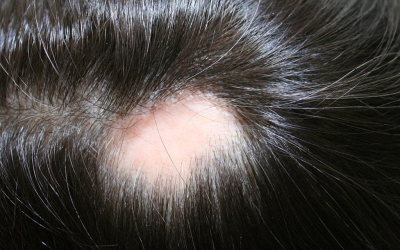
Alopecia areata is a condition in which the immune system…
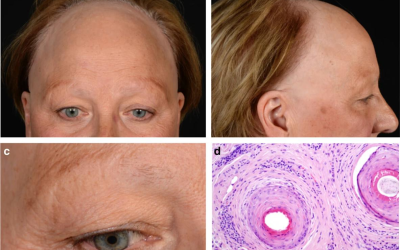
Eyebrow hair loss, medically known as eyebrow alopecia or madarosis,…
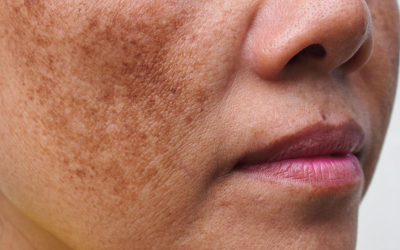
Melasma is a chronic pigmentation condition that causes brown or…
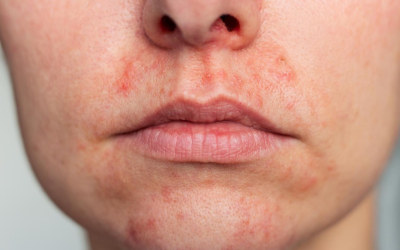
Perioral dermatitis is an inflammatory skin condition that causes small…

The effects of a product applied to the skin depend…

Human papillomavirus (HPV) is a common group of viruses…
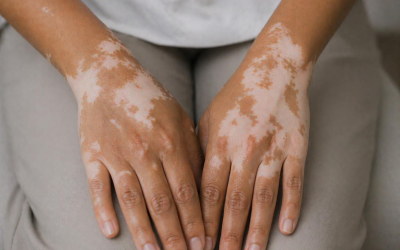
Vitiligo is a chronic skin condition characterized by white…

Acne is a chronic inflammatory skin condition that affects hair…