
Allergic contact dermatitis is an inflammatory skin condition caused by an immune reaction to certain substances that touch the skin. It causes redness, itching, and an eczema-like rash.
It is often described as contact eczema or a skin allergy.
Cosmetics, hair dyes, fragrances, jewelry, and certain cleaning products can trigger the condition.
Allergic contact dermatitis is not contagious. Identifying and avoiding the responsible allergen is the most important step in treatment.
The condition develops when the immune system becomes sensitized to a particular substance.
After further contact with that substance, a skin reaction may develop within hours or days.
Common allergens include:
A product labeled natural, botanical, or organic can still cause an allergic reaction.
Common symptoms include:
The rash usually develops where the allergen touches the skin, but it can sometimes spread beyond the contact area.
Cosmetics, fragrances, hair products, or substances transferred from nail cosmetics can cause eczema on the face and eyelids.
Cleaning products, workplace substances, glove ingredients, and cosmetics can cause contact dermatitis on the hands.
Certain hair dye ingredients can cause an itchy rash along the hairline, around the ears, and on the face and neck.
Not all contact eczema is allergic.
Allergic contact dermatitis results from a delayed immune reaction to a specific substance.
Irritant contact dermatitis develops when factors such as frequent handwashing, detergents, solvents, or friction directly damage the skin barrier.
The two conditions can look similar and sometimes occur together.
Distinguishing between them is important for planning prevention and treatment.
Diagnosis is based on a dermatologic examination and a detailed review of the products and substances the patient encounters.
Patch testing may be performed when appropriate.
During patch testing, selected allergens are usually placed on the back using special adhesive patches. The patches are generally removed after 48 hours, and readings are taken on different days.
A later reading may be needed to detect some delayed reactions.
Patch testing differs from skin prick testing, which is used to investigate immediate allergic reactions.
A positive result must be interpreted in the context of whether the substance is relevant to the patient’s current symptoms.
The most important step is identifying the responsible substance and avoiding contact as much as possible.
The ingredients in cosmetics, cleaning products, and other potential sources of exposure should be reviewed.
Corticosteroid creams or ointments of an appropriate strength may be used during flare-ups to reduce redness, itching, and inflammation.
A dermatologist should determine where they should be applied and for how long.
Topical calcineurin inhibitors, such as tacrolimus or pimecrolimus, may be considered for suitable patients with involvement of sensitive areas, including the face, eyelids, and skin folds.
Fragrance-free, well-tolerated moisturizers help support the skin barrier.
Reducing contact with irritants, wearing appropriate protective gloves, and choosing gentle cleansers are particularly important for hand eczema.
Widespread or severe contact dermatitis may require a short course of systemic treatment.
For chronic or resistant cases, it is important to reassess the diagnosis, investigate occupational exposures, and identify appropriate further treatment options.
Skin symptoms may clear completely when the responsible allergen is correctly identified and exposure is avoided.
However, symptoms can return after contact with the same substance.
Sensitivity to an allergen may persist for a long time, so learning to recognize relevant product ingredients is important.
A dermatologic evaluation is recommended if eczema keeps returning, appears linked to specific products, or does not improve with treatment.
Investigating a possible allergen may be particularly helpful for persistent rashes on the face, eyelids, and hands.
Difficulty breathing or swelling of the tongue or throat immediately after using hair dye or another product requires emergency medical attention.
At Dr. Armin Müştak’s private dermatology practice, patients with suspected contact dermatitis receive a dermatologic examination.
Products used, occupational exposures, skin findings, and previous treatments are reviewed to develop an appropriate treatment and prevention plan.
Further evaluation for patch testing may be arranged when needed.
Long-term control of contact dermatitis depends on treating the eczema, identifying the responsible substance, and preventing repeated exposure.
Yes. Skin symptoms may clear completely once the responsible allergen is identified and contact is avoided. However, eczema can return after exposure to the same substance.
Fragrances, hair dyes, makeup, certain preservatives, and gel nail products can cause allergic contact dermatitis. The responsible substance varies from person to person.
Patch testing checks whether the skin develops a delayed allergic reaction to specific substances. Allergens are applied to the skin using special adhesive patches, and readings are taken on different days.
No. Allergic contact dermatitis usually causes an eczema-like rash that develops hours or days after contact. Hives typically appear more quickly as itchy, raised welts that fade while new ones may develop elsewhere.
Dermatology is the branch of medicine concerned with the…
Rosacea is a chronic inflammatory skin condition that primarily affects…
Eczema is a general term for inflammatory skin conditions that…
Psoriasis is a chronic, immune-mediated inflammatory condition that causes red,…
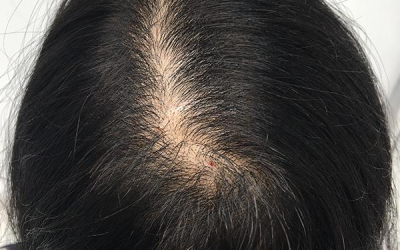
Hair loss is a common dermatologic concern that can affect…
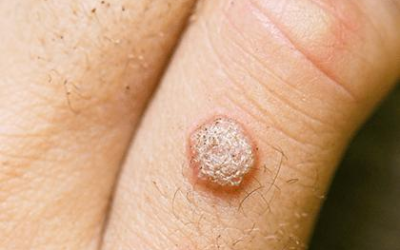
Warts are generally benign, contagious skin growths caused by certain…
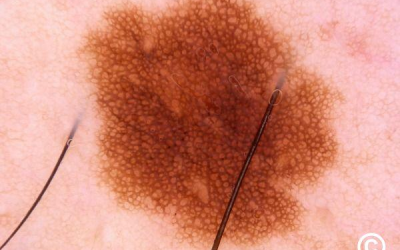
Moles, medically known as melanocytic nevi, are skin growths…
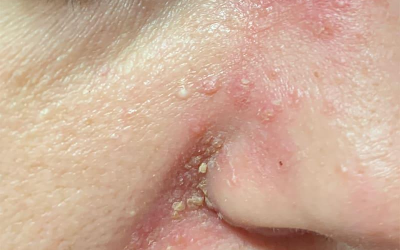
Seborrheic dermatitis is a chronic inflammatory skin condition that causes…
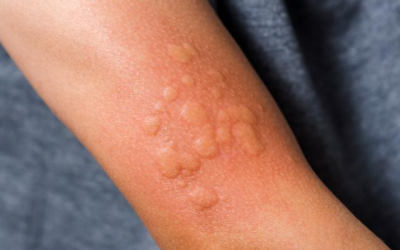
Urticaria, commonly known as hives, is a skin condition that…
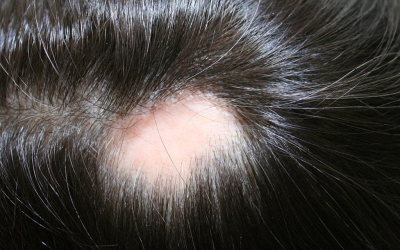
Alopecia areata is a condition in which the immune system…
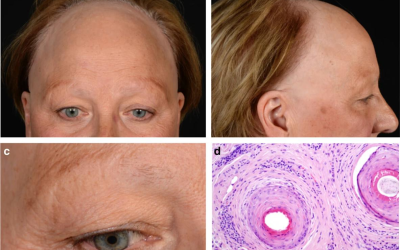
Eyebrow hair loss, medically known as eyebrow alopecia or madarosis,…
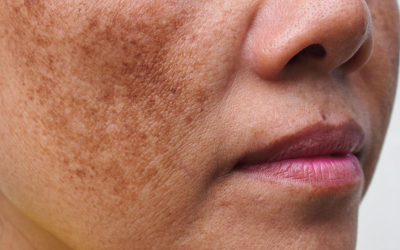
Melasma is a chronic pigmentation condition that causes brown or…
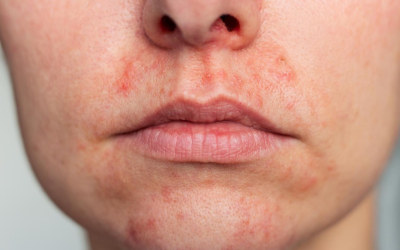
Perioral dermatitis is an inflammatory skin condition that causes small…
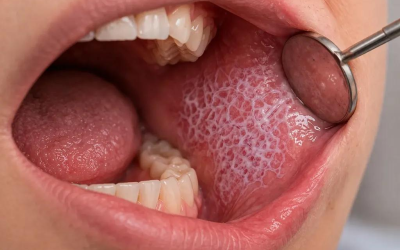
Lichen planus is a chronic, immune-related inflammatory condition that affects…

The effects of a product applied to the skin depend…

Human papillomavirus (HPV) is a common group of viruses…
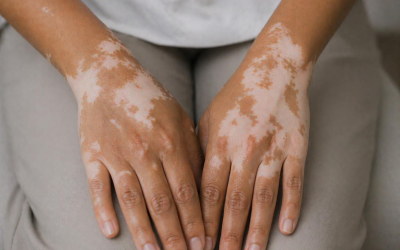
Vitiligo is a chronic skin condition characterized by white…

Acne is a chronic inflammatory skin condition that affects hair…