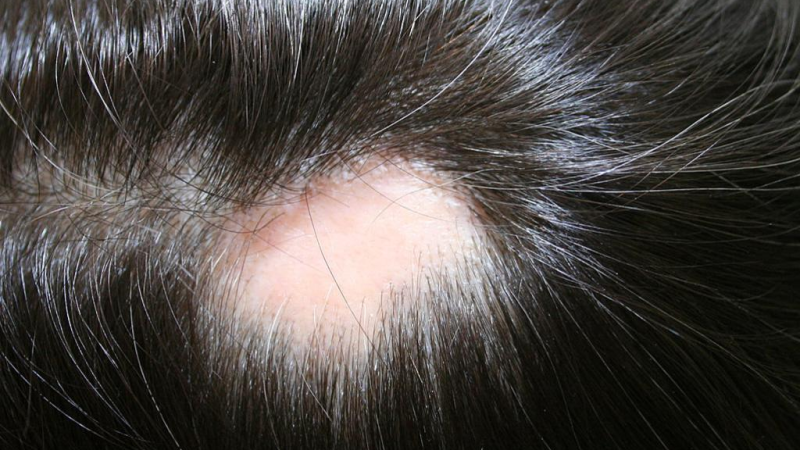
Alopecia areata is a condition in which the immune system targets hair follicles, usually causing round or oval patches of hair loss.
It most commonly affects the scalp, but it can also cause hair loss in the beard, eyebrows, and eyelashes. It can develop in both children and adults.
Alopecia areata is not contagious and is not a fungal infection.
Hair follicles are usually not permanently destroyed, so regrowth is possible in suitable patients.
Alopecia areata is an autoimmune condition. The immune response against hair follicles disrupts the hair growth cycle.
Genetic predisposition and immune factors contribute to its development.
Some patients also have other autoimmune or atopic conditions, such as thyroid disorders, vitiligo, or atopic dermatitis.
Stress may influence the course of the condition, but it is not the only cause.
Common features include:
The condition may remain limited to one small patch or become more widespread.
One or more round patches of hair loss develop on the scalp. This is the most common form.
This involves the loss of all scalp hair.
This involves the loss of most or all hair on the scalp and body, including the eyebrows and eyelashes.
Diagnosis is usually based on a dermatologic examination.
A magnified examination called trichoscopy may reveal characteristic findings, including yellow dots, black dots, and exclamation point hairs.
When needed, the condition is distinguished from fungal infections, hair-pulling disorder, and scarring forms of hair loss.
Extensive blood testing is not necessary for every patient. Appropriate tests may be arranged when an associated condition or deficiency is suspected.
Treatment is selected based on the extent and speed of hair loss, the patient’s age, and the effect on quality of life.
Corticosteroid lotions, creams, or other topical preparations may be used for limited alopecia areata.
In suitable adults, small amounts of corticosteroid may be injected directly into affected areas.
These intralesional injections are used particularly to encourage regrowth in localized patches.
Minoxidil may be used as an additional treatment to support hair regrowth in some patients.
However, it does not address the underlying autoimmune process and is not sufficient on its own for everyone.
Contact immunotherapy using substances such as DPCP may be offered at appropriate centers for more widespread or treatment-resistant alopecia areata.
It aims to encourage regrowth by producing a controlled immune response in the skin.
Treatment must be performed under a dermatologist’s supervision.
JAK inhibitors are among the major advances in alopecia areata treatment in recent years.
These medications can support regrowth by suppressing immune signals directed at hair follicles.
Baricitinib is a targeted medication used to treat severe alopecia areata in adults.
Ritlecitinib is approved in certain countries for severe alopecia areata in patients ages 12 and older.
Deuruxolitinib is another newer oral JAK inhibitor developed for severe alopecia areata.
These medications are not suitable for everyone. Infections, blood test results, and other risk factors are assessed before treatment.
Regulatory approval and availability in Türkiye must also be considered.
Corticosteroids or other medications that affect the immune system may be recommended for selected patients with rapidly progressing or widespread disease.
A dermatologist should assess their potential benefits and side effects.
PRP and mesotherapy are procedures used for various types of hair loss.
However, evidence supporting their effectiveness in alopecia areata is more limited than the evidence for established corticosteroid treatments and JAK inhibitors in suitable patients with severe disease.
They are therefore not recommended as substitutes for standard treatments.
Some patients with limited alopecia areata may experience regrowth without treatment.
However, the course of the condition cannot be predicted with certainty. Hair loss may recur or spread to larger areas.
Current treatments can help many patients achieve regrowth and control the condition.
Alopecia areata care aims to assess the extent and activity of hair loss, encourage regrowth in suitable patients, and reduce its effect on quality of life.
At Dr. Armin Müştak’s private dermatology practice, patients with alopecia areata receive a dermatologic examination. Trichoscopy and appropriate tests are arranged when needed.
Local treatments, intralesional injections, and other current treatment options are considered according to disease severity.
Early dermatologic evaluation and treatment suited to disease severity are important for controlling hair loss in alopecia areata.
No. Alopecia areata is an immune-related condition. It is not a fungal infection and cannot spread from person to person.
Yes. Hair follicles usually remain intact, particularly in limited, patchy alopecia areata, so hair may regrow spontaneously or with treatment. However, the condition can recur.
Yes. JAK inhibitors such as baricitinib, ritlecitinib, and deuruxolitinib have been developed particularly for severe alopecia areata. They may help suitable patients achieve hair regrowth, but careful safety assessment is required.
Stress may trigger the condition or influence its course in some patients. However, alopecia areata is not caused by stress alone. Immune mechanisms and genetic predisposition play underlying roles.
Dermatology is the branch of medicine concerned with the…
Rosacea is a chronic inflammatory skin condition that primarily affects…
Eczema is a general term for inflammatory skin conditions that…
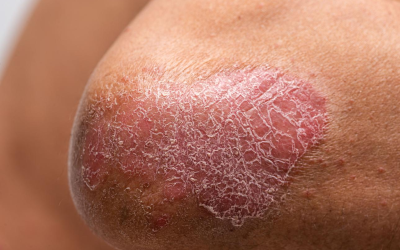
Psoriasis is a chronic, immune-mediated inflammatory condition that causes red,…
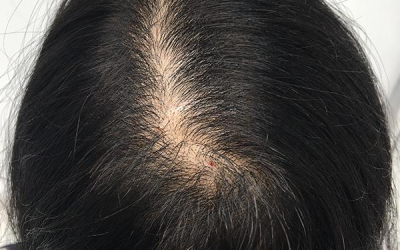
Hair loss is a common dermatologic concern that can affect…
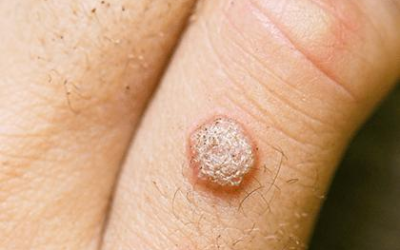
Warts are generally benign, contagious skin growths caused by certain…
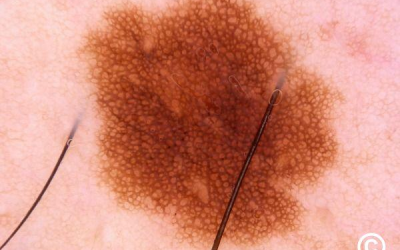
Moles, medically known as melanocytic nevi, are skin growths…
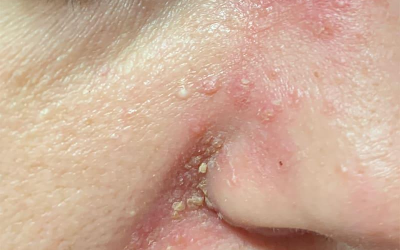
Seborrheic dermatitis is a chronic inflammatory skin condition that causes…
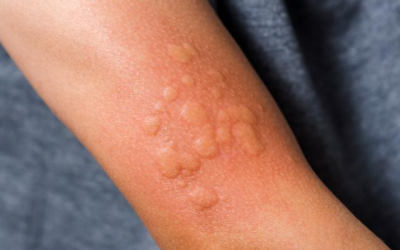
Urticaria, commonly known as hives, is a skin condition that…
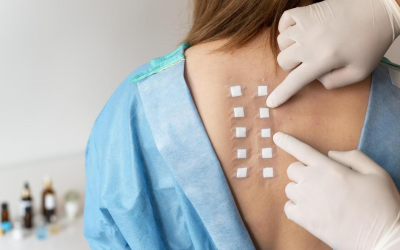
Allergic contact dermatitis is an inflammatory skin condition caused…
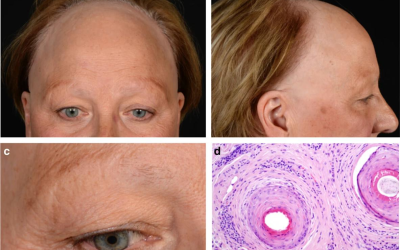
Eyebrow hair loss, medically known as eyebrow alopecia or madarosis,…
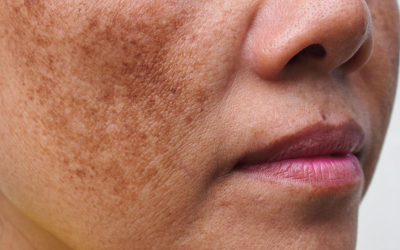
Melasma is a chronic pigmentation condition that causes brown or…
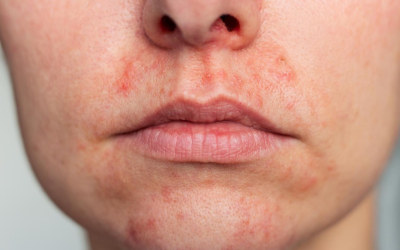
Perioral dermatitis is an inflammatory skin condition that causes small…
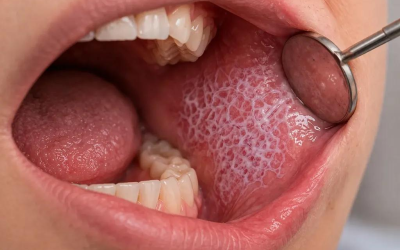
Lichen planus is a chronic, immune-related inflammatory condition that affects…

The effects of a product applied to the skin depend…

Human papillomavirus (HPV) is a common group of viruses…
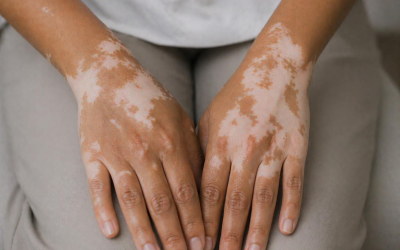
Vitiligo is a chronic skin condition characterized by white…

Acne is a chronic inflammatory skin condition that affects hair…