Melasma is a chronic pigmentation condition that causes brown or gray-brown patches, particularly on the face, and tends to recur.
It most commonly affects the cheeks, forehead, bridge of the nose, and upper lip. Although more common in women, it can also develop in men.
Melasma is not contagious and is generally harmless. However, visible discoloration can affect quality of life.
Appropriate treatment can significantly reduce the appearance of these patches.
Melasma involves an increase in melanin, the pigment that gives skin its color.
Contributing factors include:
Melasma that develops during pregnancy is often called the “mask of pregnancy.”
Melasma is not caused only by sunbathing. Everyday light exposure can also contribute to darkening.
Melasma typically appears as brown patches with irregular borders and a similar distribution on both sides of the face.
The cheeks, forehead, and upper lip are most commonly affected.
It usually does not cause pain or itching. Patches may darken in summer and become lighter in winter.
Melasma is usually diagnosed through a dermatologic examination.
Dermoscopy or a Wood’s lamp examination may be used when needed.
Sun spots, post-acne pigmentation, and other pigment conditions can resemble melasma.
For this reason, the same treatment is not appropriate for every brown spot or patch.
Treatment aims to reduce excess pigment production, lighten existing patches, and help prevent recurrence.
The plan depends on skin type, the characteristics of the pigmentation, and previous treatments.
Consistent sun protection is the foundation of melasma treatment.
Broad-spectrum sunscreens, preferably SPF 50+, are recommended.
Tinted sunscreens containing iron oxides may provide additional protection against visible light.
Applying enough sunscreen and reapplying as needed while outdoors are important.
Medications used for melasma include hydroquinone, azelaic acid, and tretinoin.
Triple-combination creams containing hydroquinone, tretinoin, and a low-potency corticosteroid can be effective options for suitable patients.
These preparations should be used under a dermatologist’s supervision for the prescribed duration.
Prolonged, unsupervised use of skin-lightening products can cause irritation and pigmentation problems.
Research into tranexamic acid, cysteamine, thiamidol, and other ingredients that regulate pigmentation has expanded in recent years.
Some of these products may complement treatment in suitable patients.
However, their effectiveness and supporting evidence vary.
Oral tranexamic acid may be considered for selected patients, particularly those with treatment-resistant melasma.
Its use for melasma is off-label in many countries.
Because of blood clotting risks, it is not suitable for everyone. A history of thrombosis, current medications, and other risk factors require careful assessment.
Glycolic acid and certain other chemical peels may be used alongside topical treatments in suitable patients.
However, overly strong or incorrectly performed peels can irritate the skin and worsen pigmentation.
Certain Q-switched, picosecond, and other laser systems may be considered for selected patients.
However, melasma does not always require laser treatment.
An unsuitable device, excessive energy, or inappropriate technique can darken pigmentation or contribute to recurrence.
Laser and IPL procedures are therefore generally not first-line treatments and require careful consideration, particularly in resistant cases.
Treatment can significantly reduce the appearance of melasma, and patches may become almost unnoticeable in some patients.
However, melasma tends to recur.
Continued sun protection and appropriate maintenance care are important after treatment.
Noticeable improvement generally takes 8–12 weeks or longer.
Pigment depth, skin type, and sun protection habits influence the outcome.
Maintenance care may be needed after the initial treatment course.
At Dr. Armin Müştak’s private dermatology practice, melasma and other pigmentation conditions are assessed through a dermatologic examination.
A treatment and follow-up plan is developed based on the type and location of pigmentation, skin phototype, and previous treatments.
Topical medications, chemical peels, or selected laser treatments may be considered for suitable patients.
Accurate diagnosis, consistent sun protection, and a long-term care plan are the foundation of effective melasma management.
Appropriate treatment can significantly lighten melasma patches. However, the condition tends to recur. Consistent sun protection and maintenance treatment are important for preserving results.
Yes, but laser treatment is not suitable for everyone. Selected laser treatments may be considered, particularly for resistant melasma. Because inappropriate treatment can darken pigmentation, a dermatologic assessment is needed to plan care.
A broad-spectrum sunscreen, preferably SPF 50+, is recommended. Tinted sunscreens containing iron oxides may provide additional protection against visible light, which can worsen pigmentation.
Initial noticeable improvement can generally be assessed within 8–12 weeks. Some patients need longer treatment. Consistent skincare and sun protection should continue to help prevent recurrence.
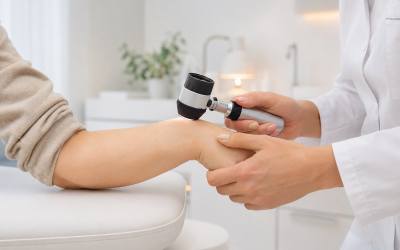
Dermatology is the branch of medicine concerned with the…
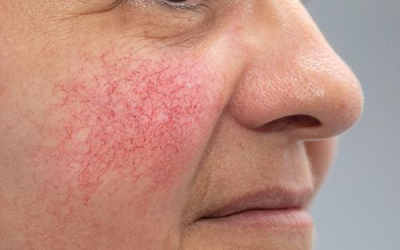
Rosacea is a chronic inflammatory skin condition that primarily affects…
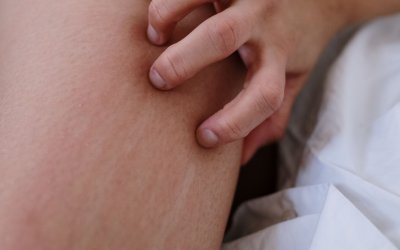
Eczema is a general term for inflammatory skin conditions that…
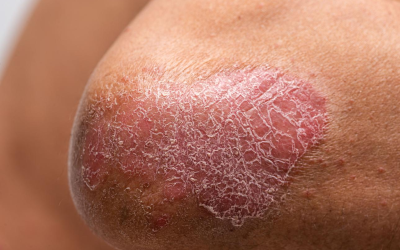
Psoriasis is a chronic, immune-mediated inflammatory condition that causes red,…
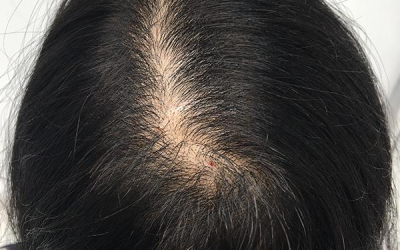
Hair loss is a common dermatologic concern that can affect…
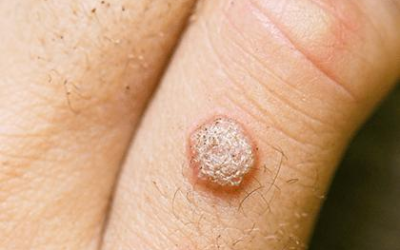
Warts are generally benign, contagious skin growths caused by certain…
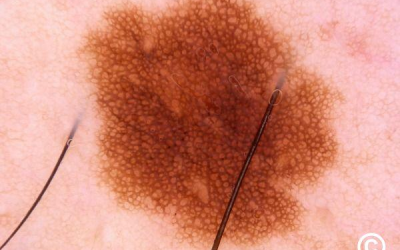
Moles, medically known as melanocytic nevi, are skin growths…
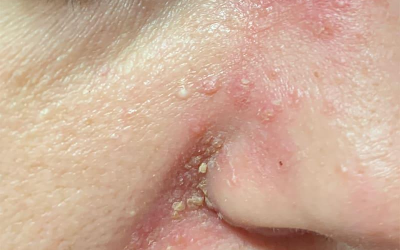
Seborrheic dermatitis is a chronic inflammatory skin condition that causes…
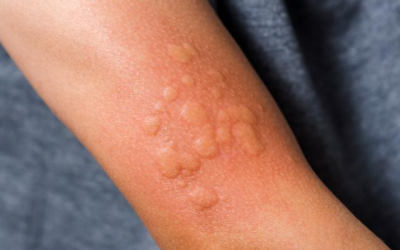
Urticaria, commonly known as hives, is a skin condition that…
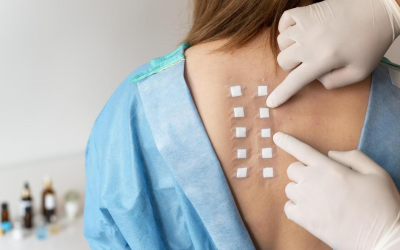
Allergic contact dermatitis is an inflammatory skin condition caused…
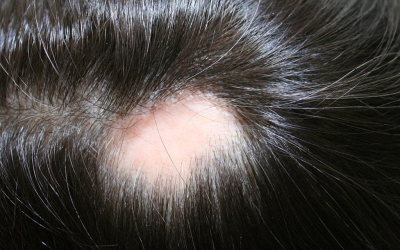
Alopecia areata is a condition in which the immune system…
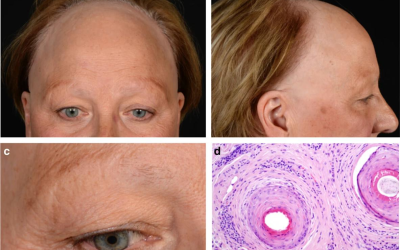
Eyebrow hair loss, medically known as eyebrow alopecia or madarosis,…
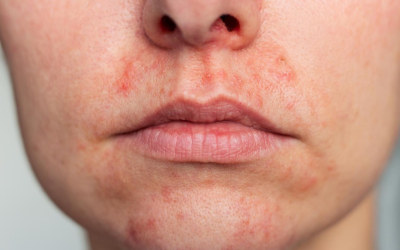
Perioral dermatitis is an inflammatory skin condition that causes small…
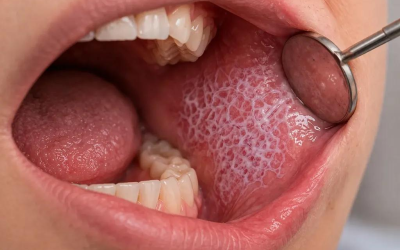
Lichen planus is a chronic, immune-related inflammatory condition that affects…

The effects of a product applied to the skin depend…

Human papillomavirus (HPV) is a common group of viruses…
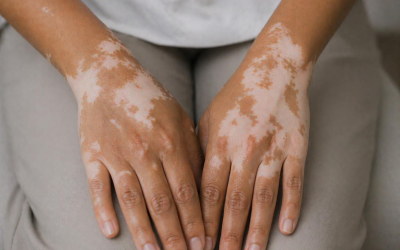
Vitiligo is a chronic skin condition characterized by white…

Acne is a chronic inflammatory skin condition that affects hair…