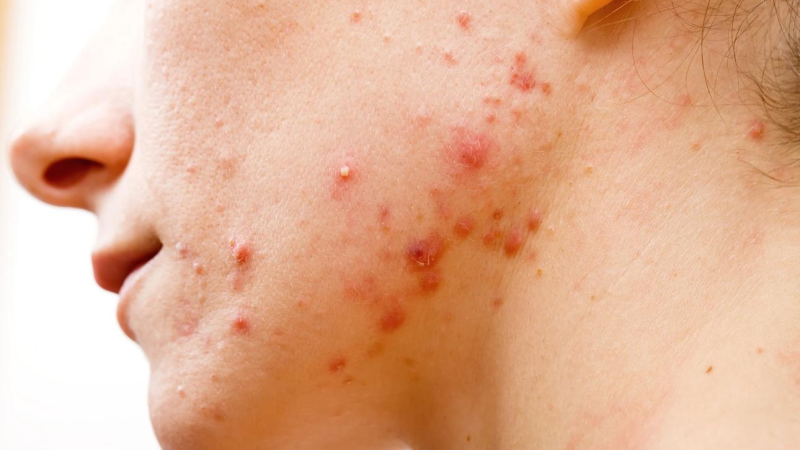
Acne is a chronic inflammatory skin condition that affects hair follicles and oil glands.
Although most common during adolescence, acne can also develop in adults. It typically affects the face, back, chest, and shoulders, causing blackheads, whiteheads, inflamed pimples, and sometimes deep, painful lumps.
Acne is more than a cosmetic concern. Without appropriate treatment or control, it can lead to permanent scars, dark marks, and reduced quality of life.
Effective treatments are available for different types of acne. Appropriate treatment can reduce new breakouts and lower the risk of permanent scarring.
Four main mechanisms contribute to acne:
Genetic predisposition, hormonal changes, certain medications, and unsuitable cosmetic products may also contribute.
Acne is not simply caused by dirty skin. Washing frequently or scrubbing vigorously will not clear acne and may irritate the skin.
Acne can take several forms.
Blackheads and whiteheads are the main features. They commonly appear on the forehead, nose, and chin.
This form causes red, raised pimples, some of which contain pus. It may be mild or moderate in severity.
Large, firm, painful inflammatory lesions can develop deeper within the skin. These carry a higher risk of permanent scarring.
Treatment decisions consider more than the number of pimples. The type, depth, and location of lesions, along with the risk of scarring, are also assessed.
Acne is usually diagnosed through a dermatologic examination.
The examination assesses blackheads and whiteheads, the number of inflammatory lesions, nodules, and existing scars.
Hormone testing is not necessary for every patient with acne.
However, hormonal causes may be investigated in women with irregular periods, excessive hair growth, hair loss, or sudden-onset acne that is difficult to treat.
Treatment is planned based on acne severity, skin type, age, pregnancy status, and previous treatments.
Topical treatments are often the first choice for mild to moderate acne.
Topical retinoids: Medications such as adapalene and tretinoin help reduce clogged pores and prevent new comedones.
Benzoyl peroxide: This treatment is effective against acne-associated bacteria and inflammatory lesions.
Azelaic acid: It may help treat acne lesions and reduce the dark marks that remain after breakouts.
Topical antibiotics: These may be used alongside other treatments in suitable patients. Because of antibiotic resistance, they should not be used alone or without medical supervision.
Oral antibiotics may be prescribed for suitable patients with moderate to severe inflammatory acne.
They are used for the shortest effective duration, usually alongside topical treatments such as benzoyl peroxide.
Dermatologic follow-up is important because prolonged or unnecessary antibiotic use can contribute to resistance.
Isotretinoin is an effective systemic treatment, particularly for severe or nodular acne, acne with a high risk of scarring, or acne that has not responded adequately to standard treatments.
Side effects such as dryness are common. Laboratory monitoring and regular follow-up are required based on the patient’s circumstances.
Isotretinoin must never be used during pregnancy. Patients who could become pregnant must follow the necessary pregnancy prevention and monitoring measures.
Hormonal treatments may be considered for some women, particularly when hormonal influences contribute to acne.
Options include combined hormonal contraceptives and, in selected patients, spironolactone.
These medications are not suitable for everyone. Treatment decisions take medical history, other health conditions, and the possibility of pregnancy into account.
Medications with more selective mechanisms of action have been developed in recent years.
These include newer topical retinoids such as trifarotene and topical antiandrogens such as clascoterone.
Their use depends on the patient’s clinical findings, the appropriate indication, and local regulatory approval and availability.
Certain laser and light technologies may be considered as complementary treatments for selected patients.
However, they are not the first choice for every type of acne and cannot always replace medication.
Treating active acne is different from treating acne scars.
Fractional laser treatments, microneedling, and certain other procedures are more commonly considered for scars that develop after acne.
Their suitability depends on the presence of active inflammatory lesions and the patient’s skin characteristics.
Acne treatment requires patience and consistent use.
With many treatments, initial improvement may become noticeable within 6–8 weeks. Effectiveness is usually reassessed at around 12 weeks.
After breakouts improve, maintenance treatment may be recommended for suitable patients to help prevent new lesions.
The risk of scarring is higher with deep, inflamed, persistent lesions.
Squeezing or picking pimples and injuring the skin can increase that risk.
Early, effective acne treatment is one of the most important ways to reduce the risk of new permanent scars.
Red or brown marks left after acne are different from permanent, indented scars. They also require different treatment approaches.
Research has identified some associations between diet and acne.
Evidence suggests that a high-glycemic-load diet may worsen acne in some people.
Some studies have also reported an association between milk consumption and acne. This does not mean that everyone with acne needs to eliminate all dairy products.
No single diet has been proven to cure acne.
A balanced diet, adequate sleep, and reviewing habits that appear to worsen your own breakouts may be helpful.
Dermatologic evaluation is particularly important if:
Acne treatment aims to reduce existing breakouts, prevent new lesions, lower the risk of permanent scarring, and protect long-term skin health.
At Dr. Armin Müştak’s private dermatology practice, patients with acne receive a dermatologic examination. A treatment and follow-up plan is developed based on the type and severity of acne, skin characteristics, and previous treatments.
Early treatment, appropriate medication selection, and regular follow-up are important for reducing the risk of permanent acne scars.
Yes. Squeezing pimples can push inflammation deeper into the skin, worsen redness, and lead to dark marks and permanent scarring. Deep, painful pimples in particular should not be squeezed.
Certain laser and light treatments may be used alongside other therapies in selected patients. However, they are not suitable for every case of acne and cannot always replace standard medications. Laser treatments for acne scars differ from those used to treat active acne.
No. Isotretinoin is generally considered for severe acne, acne with a high risk of scarring, or acne that has not responded to other treatments. Because of its side effects and serious risks during pregnancy, it must be used under medical supervision.
Yes. Acne can begin in adulthood or persist from adolescence. Hormonal changes, skincare and cosmetic products, and certain medications can influence its course, particularly in women. Sudden-onset or severe acne requires a dermatologic evaluation.
Dermatology is the branch of medicine concerned with the…
Rosacea is a chronic inflammatory skin condition that primarily affects…
Eczema is a general term for inflammatory skin conditions that…
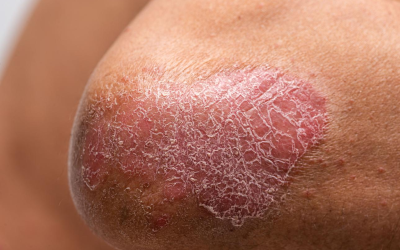
Psoriasis is a chronic, immune-mediated inflammatory condition that causes red,…
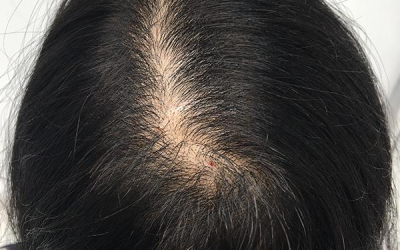
Hair loss is a common dermatologic concern that can affect…
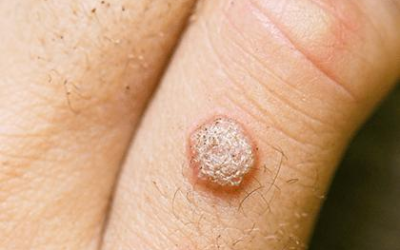
Warts are generally benign, contagious skin growths caused by certain…
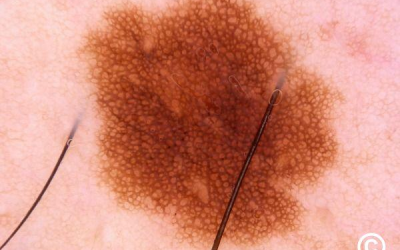
Moles, medically known as melanocytic nevi, are skin growths…
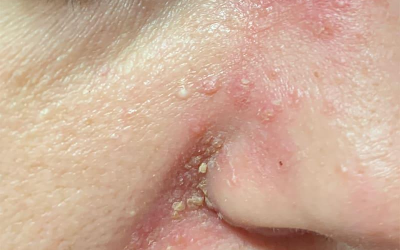
Seborrheic dermatitis is a chronic inflammatory skin condition that causes…
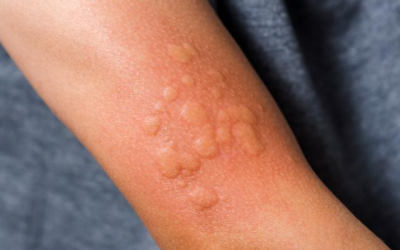
Urticaria, commonly known as hives, is a skin condition that…
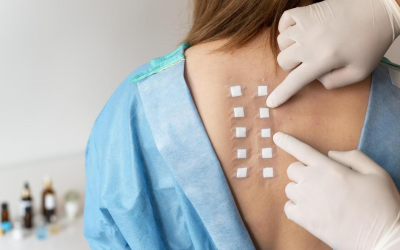
Allergic contact dermatitis is an inflammatory skin condition caused…
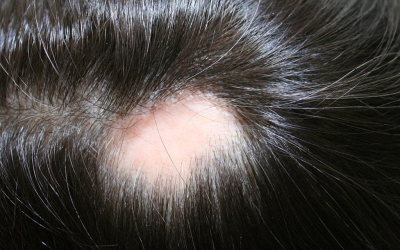
Alopecia areata is a condition in which the immune system…
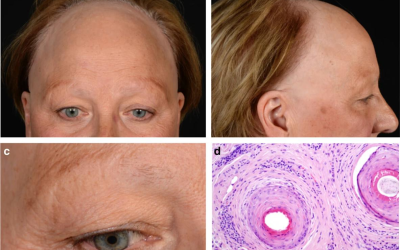
Eyebrow hair loss, medically known as eyebrow alopecia or madarosis,…
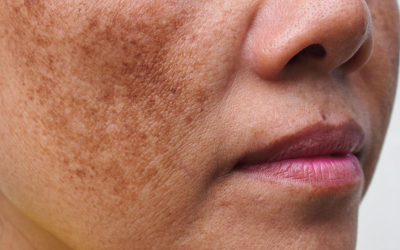
Melasma is a chronic pigmentation condition that causes brown or…
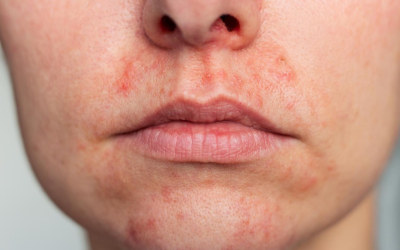
Perioral dermatitis is an inflammatory skin condition that causes small…
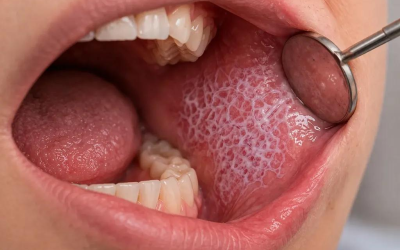
Lichen planus is a chronic, immune-related inflammatory condition that affects…

The effects of a product applied to the skin depend…

Human papillomavirus (HPV) is a common group of viruses…
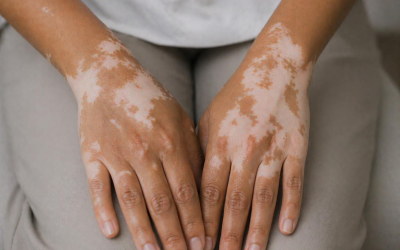
Vitiligo is a chronic skin condition characterized by white…