Poly-L-lactic acid (PLLA) is a biocompatible, biodegradable injectable material used to support the skin’s natural collagen production.
Known in aesthetic dermatology as a collagen biostimulator, PLLA may be used to address age-related volume loss, fine lines, and changes in skin structure.
Unlike conventional fillers, PLLA works gradually by stimulating the body’s own collagen production.
Treatment therefore aims for progressive improvement rather than an immediate, pronounced change in volume.
Collagen production declines with age, contributing to thinner skin, reduced elasticity, and changes in facial contours.
When injected at the appropriate tissue depth, PLLA produces a controlled tissue response that supports collagen production by fibroblasts.
As the PLLA particles gradually break down, newly formed collagen may contribute to the skin’s structural support.
PLLA’s effects develop gradually over weeks and months rather than immediately.
PLLA may be considered for suitable patients with:
Some PLLA products are also used on other areas of the body. However, approved uses differ between products.
The treatment area and product should be selected following a dermatologic assessment.
Hyaluronic acid fillers can provide more immediate changes in volume and contour.
PLLA primarily aims to produce gradual improvement by stimulating collagen production.
It may therefore be unsuitable for patients seeking immediate results.
Unlike hyaluronic acid fillers, PLLA cannot be directly dissolved with hyaluronidase injections.
The two treatments are not interchangeable. Different approaches may be planned based on facial anatomy and the patient’s expectations.
Before treatment, facial anatomy, skin characteristics, volume loss, and expectations are assessed.
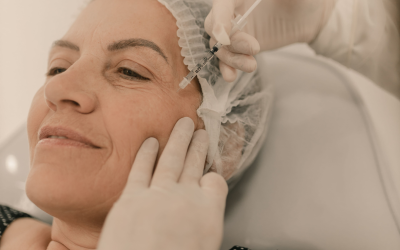
After the selected product is prepared, it is injected into the planned anatomical areas.
Local anesthesia may be used when needed.
Mild swelling, redness, tenderness, or bruising may occur afterward.
Treatment may involve a single session, although some patients need multiple sessions.
The number of sessions depends on age, skin characteristics, volume loss, and the product used.
Some patients may have a course of 2–3 sessions, while others need a different plan.
Intervals are determined according to the product’s instructions for use.
The same amount of product or number of sessions is not appropriate for everyone.
Fullness during the first few days may be temporary and related to the fluid used to prepare the product and post-injection swelling.
The collagen-stimulating effect develops over time.
Initial changes may become noticeable within a few weeks. More pronounced results are generally assessed after 2–3 months or longer.
Results vary from person to person.
Aesthetic improvement may last up to approximately two years in suitable patients.
Some studies have reported longer-lasting effects.
However, duration varies with age, skin characteristics, the treatment area, and the treatment plan.
PLLA does not stop the aging process.
PLLA can be an effective aesthetic treatment when an appropriate product and technique are used by a physician with the necessary training and experience.
However, as with all injectable procedures, it carries risks.
Common side effects include:
Less commonly, nodules, granulomas, infection, or lasting contour irregularities may develop.
Unintentional injection into a blood vessel can cause serious complications, including impaired blood supply to tissue and, very rarely, vision loss.
Careful patient selection and appropriate injection techniques based on facial anatomy are therefore important.
A detailed medical history should be reviewed before treatment.
PLLA is not appropriate for people with an allergy to the product’s ingredients or a tendency to develop keloids or hypertrophic scars.
Treatment should be postponed if there is an active infection or significant inflammation in the treatment area.
It is not recommended during pregnancy or breastfeeding because safety data are insufficient.
People with conditions or treatments that affect the immune system require an additional risk assessment.
Aftercare may vary depending on the product used.
In general:
Massage recommendations after PLLA vary by product. Follow the aftercare instructions provided by the physician who performed the treatment.
One of PLLA’s key characteristics is its gradual effect.
With appropriate patient selection and treatment planning, improvement in skin structure and facial contours can be pursued while preserving individual facial features.
However, results vary. Avoiding overcorrection and setting realistic expectations are important.
At Dr. Armin Müştak’s private dermatology practice, collagen-stimulating aesthetic procedures are considered based on facial anatomy, skin characteristics, signs of aging, and patient expectations.
For suitable patients, biostimulatory treatments such as PLLA may be considered to support natural collagen production and improve age-related structural changes.
The goal of PLLA treatment is gradual improvement that complements each patient’s facial features through controlled collagen stimulation.
Hyaluronic acid fillers can add volume more immediately. PLLA supports the skin’s own collagen production, producing gradual results over weeks and months. The two treatments differ in their purpose and how they work.
Initial changes may become noticeable within a few weeks. More pronounced results generally develop over several months. Effects may last up to approximately two years in suitable patients, although duration varies from person to person.
The number of sessions depends on skin characteristics, volume loss, and treatment goals. Some patients may need 2–3 sessions. The same amount of product or number of sessions is not appropriate for everyone.
Yes. Temporary redness, swelling, and bruising may occur. Less commonly, firm nodules beneath the skin or other complications can develop. Very rare vascular complications can have serious consequences, so treatment should be performed by an experienced physician.
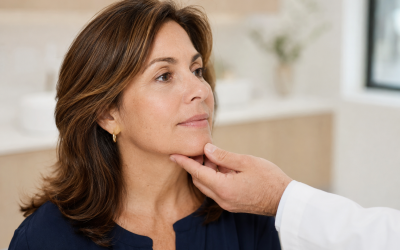
Aesthetic dermatology focuses on maintaining skin health, evaluating age-related changes,…
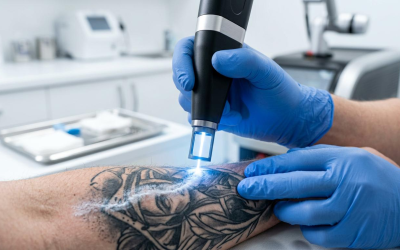
What Is Laser Tattoo Removal? Picosecond Laser Treatment Tattoos…
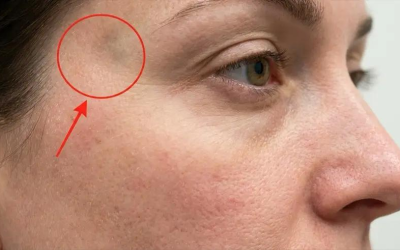
Facial aesthetics involves more than lip fullness, cheekbone definition, or…

The forehead forms the upper third of the face and…
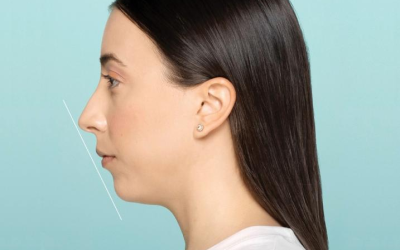
The position of the chin in relation to the rest…
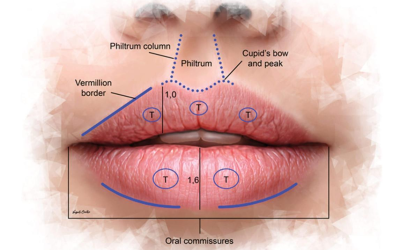
The lips play an important role in facial expression, the…
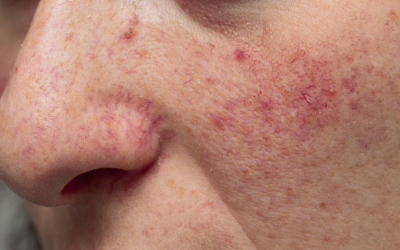
Fine red, purple, or bluish blood vessels on the face,…
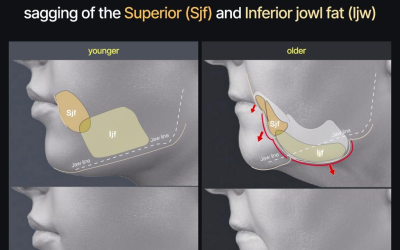
Facial sagging describes changes in facial contours and soft tissues…

The eye area is one of the face’s most…
Laser hair removal is a light-based procedure designed…

Facial changes over time involve more than just wrinkles.…
Botulinum toxin is a medical product that temporarily reduces…
Dermal filler treatments are injection procedures performed to address…
PRP stands for "Platelet-Rich Plasma." A small sample of…
Fine red, purple, or blue veins appearing on the…
Mesotherapy involves the administration of small amounts of selected…
Radiofrequency treatments rely on generating heat within the skin…