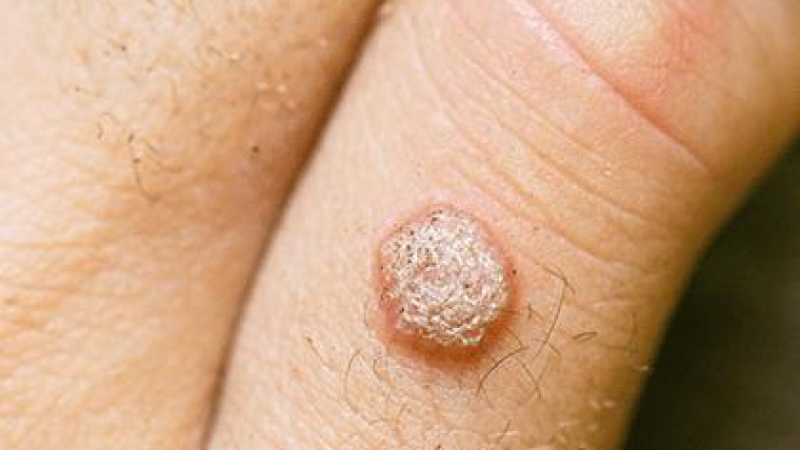
Warts are generally benign, contagious skin growths caused by certain types of human papillomavirus (HPV).
They most commonly appear on the hands, fingers, soles of the feet, and around the nails. They can affect both children and adults.
Some warts go away on their own. Others may grow, multiply, become painful, or resist treatment.
Not every wart needs to be cauterized or surgically removed. Treatment depends on the type and location of the wart and the patient’s individual circumstances.
Warts develop when HPV enters the skin through small cracks or damaged areas.
The virus can spread through direct skin contact or contact with certain shared surfaces.
Picking, scratching, or shaving over a wart can help spread the virus to other areas of the same person’s skin.
These are raised growths with a rough surface, usually found on the fingers, hands, and around the nails.
Plantar warts develop on the soles of the feet and can be mistaken for corns or calluses.
They may hurt when you stand or walk. Several warts may sometimes cluster together, forming a mosaic pattern.
These are small, slightly raised growths that may appear on the face, backs of the hands, and legs.
Warts can develop around or beneath the nails. Treatment requires care to protect the nail structures.
HPV-related genital warts require separate consideration because their transmission, assessment, and treatment differ.
Plantar warts can be mistaken for corns or calluses.
Corns and calluses are usually associated with repeated pressure and friction.
Interrupted skin lines and small dark dots can help identify a wart. These dots are usually tiny, clotted blood vessels.
A dermatologic examination and, when needed, dermoscopy can help distinguish between them.
No single treatment is the best option for everyone.
Salicylic acid is a standard treatment option, particularly for warts on the hands and feet.
It gradually reduces the thickened surface of the wart. Consistent application over several weeks may be needed.
Protecting the surrounding healthy skin from irritation is important. People with diabetes, poor circulation, or reduced sensation in their feet should not use acid-based wart treatments on their own.
Cryotherapy uses liquid nitrogen to freeze wart tissue in a controlled manner.
Redness, crusting, or blistering may develop afterward. Some warts require more than one session.
Electrocautery may be used to remove wart tissue in a controlled manner in suitable patients.
It can usually be performed under local anesthesia.
Healing time, pain, and the risk of scarring vary depending on the wart’s location and the depth of treatment.
Laser treatment may be considered for resistant warts or other selected cases.
Ablative treatments, such as CO₂ laser, can be used to remove wart tissue.
However, laser treatment is not the first choice for every wart. Pain, wound healing, pigment changes, and the risk of scarring must be considered.
Medications injected into the wart and immunotherapy approaches may be considered for recurring warts or those that resist standard treatments.
These options are not suitable for everyone and require assessment by a dermatologist.
Yes. New lesions can develop even after a visible wart has been removed.
This may happen because HPV remains in the skin or because of a new infection.
Warts may be more difficult to treat when they are numerous, have been present for a long time, or occur in people with a weakened immune system.
A dermatologic evaluation is needed if a growth enlarges rapidly, bleeds, causes significant pain, or may not be a wart.
Do not use caustic wart-removal products on your own to treat growths on the face, genital area, or around the nails.
Treatment requires careful planning for people with diabetes, poor circulation, or a weakened immune system.
At Dr. Armin Müştak’s private dermatology practice, warts are assessed through a dermatologic examination.
Treatment options are selected based on the type, number, size, and location of the lesions. Procedures such as electrocautery and CO₂ laser may be considered for selected patients.
Wart treatment aims to remove visible lesions, protect surrounding tissue, and provide appropriate follow-up while accounting for the risk of recurrence.
Yes. Warts are caused by HPV and can spread through direct skin contact or contact with certain shared surfaces. Picking or scratching a wart can also spread the virus to other areas of the same person’s skin.
Yes. Some warts disappear on their own over months or years, particularly in children. However, treatment may be needed for warts that are painful, multiplying, or persistent.
Plantar warts may interrupt normal skin lines and contain small dark dots formed by tiny blood vessels. Corns and calluses usually develop from pressure and friction. A dermatologic examination can help confirm the diagnosis.
Yes. Even after wart tissue is removed with laser treatment or electrocautery, warts can recur because HPV remains in the skin or a new infection occurs. No method can guarantee that warts will not return in every patient.
Dermatology is the branch of medicine concerned with the…
Rosacea is a chronic inflammatory skin condition that primarily affects…
Eczema is a general term for inflammatory skin conditions that…
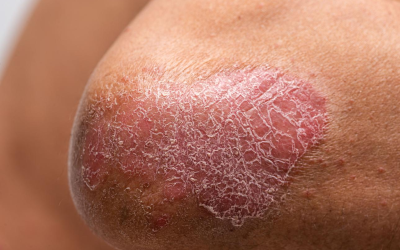
Psoriasis is a chronic, immune-mediated inflammatory condition that causes red,…
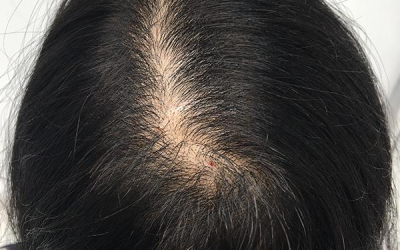
Hair loss is a common dermatologic concern that can affect…
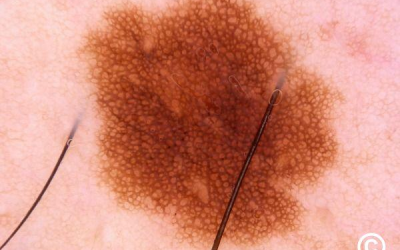
Moles, medically known as melanocytic nevi, are skin growths…
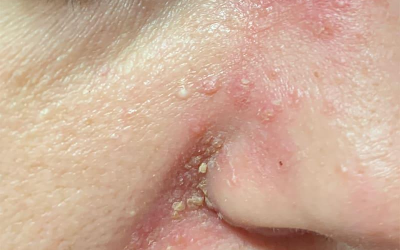
Seborrheic dermatitis is a chronic inflammatory skin condition that causes…
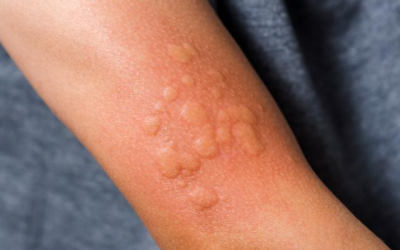
Urticaria, commonly known as hives, is a skin condition that…
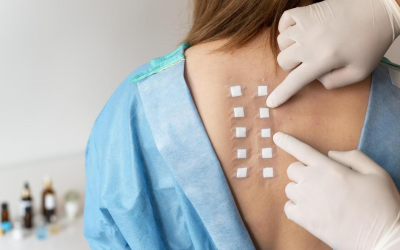
Allergic contact dermatitis is an inflammatory skin condition caused…
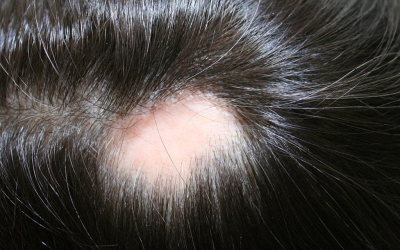
Alopecia areata is a condition in which the immune system…
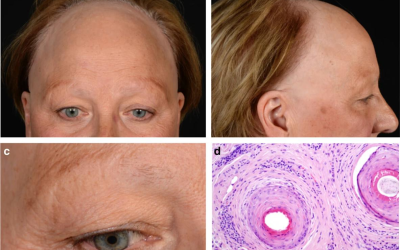
Eyebrow hair loss, medically known as eyebrow alopecia or madarosis,…
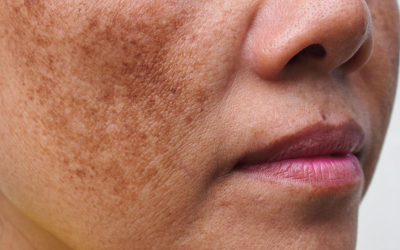
Melasma is a chronic pigmentation condition that causes brown or…
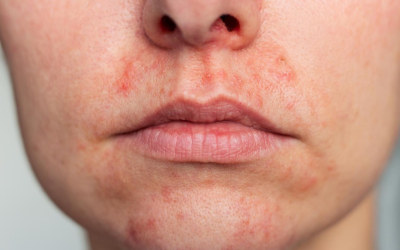
Perioral dermatitis is an inflammatory skin condition that causes small…
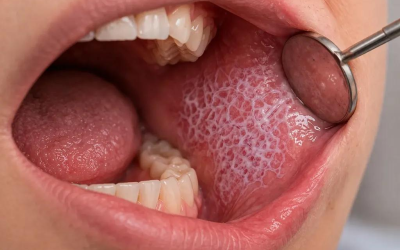
Lichen planus is a chronic, immune-related inflammatory condition that affects…

The effects of a product applied to the skin depend…

Human papillomavirus (HPV) is a common group of viruses…
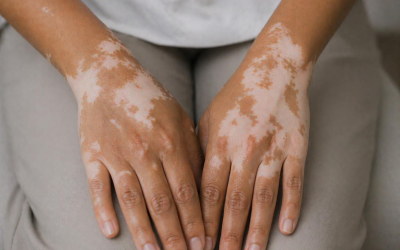
Vitiligo is a chronic skin condition characterized by white…

Acne is a chronic inflammatory skin condition that affects hair…