
The effects of a product applied to the skin depend on more than its active ingredient. Its formulation, the application site, and the condition of the skin also influence the outcome. Choosing between a cream, ointment, and gel is therefore an important part of dermatologic treatment.
The skin’s outermost layer, the stratum corneum, consists of protective cells surrounded by lipids. This layer limits water loss and acts as a barrier to substances entering from the outside.
Not every substance applied to the skin crosses this barrier to the same extent. Its molecular properties and the product’s vehicle—the base that carries the active ingredient—influence how much enters the skin and how quickly.
Creams contain both water and oil phases. Their greasiness, spreadability, and ease of washing off vary with the formulation.
Ointments, particularly those with oil-based vehicles, may form a more occlusive layer on the skin and reduce water loss. This can be helpful for certain dry, thickened areas.
Gels are semisolid preparations in which liquid is held within a gel network. Depending on their formulation, they may feel less greasy. However, some gels contain ingredients such as alcohol that can cause burning or irritation on sensitive skin.
No single formulation is best for everyone. The choice depends on the condition being treated, the application site, and individual skin characteristics.
Along with the active ingredient and formulation, the integrity and hydration of the skin barrier matter. Absorption may differ between healthy skin and skin that is irritated or affected by disease.
The amount applied, frequency and duration of use, and size of the treated area also require consideration, particularly with medicated products. Covering the area can increase the absorption of some medications. Treated skin should therefore be covered only as directed by a physician.
Not always. Some products are intended to remain on the skin’s surface, while others need to reach specific skin layers. Some medications can also pass through the skin into the bloodstream.
The goal is to deliver an appropriate amount of the active ingredient to the intended site.
Dr. Armin Müştak
Dermatologist
This content is provided for general information. Treatment and product selection should be tailored to each patient’s needs following a dermatologic assessment.
They may not always be interchangeable. The vehicle can change how the medication is released and how it passes through the skin. Consult your physician before switching formulations.
More product does not necessarily provide more benefit. Follow the recommended amount when using medicated products.
Only if instructed to do so. Covering the area can increase the absorption of some medications and the risk of side effects.
Some can. The amount depends on the medication, its formulation, the skin barrier, and how it is used.
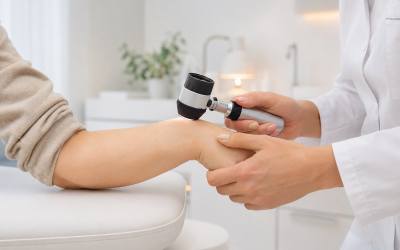
Dermatology is the branch of medicine concerned with the…
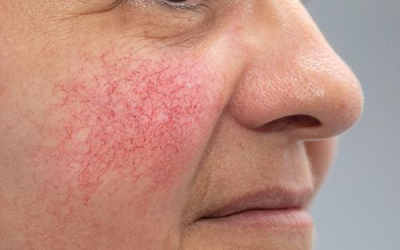
Rosacea is a chronic inflammatory skin condition that primarily affects…
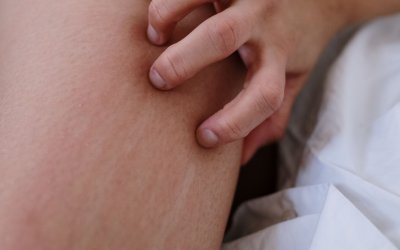
Eczema is a general term for inflammatory skin conditions that…
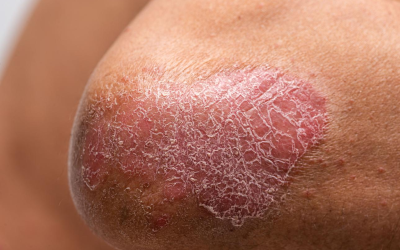
Psoriasis is a chronic, immune-mediated inflammatory condition that causes red,…
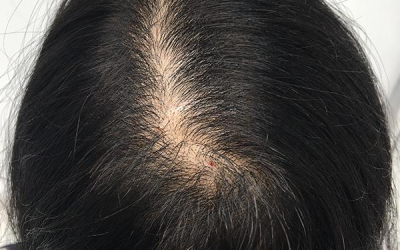
Hair loss is a common dermatologic concern that can affect…
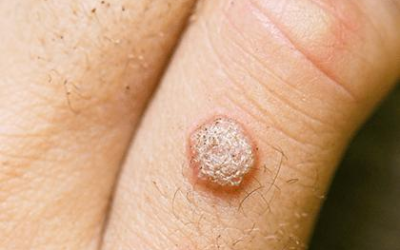
Warts are generally benign, contagious skin growths caused by certain…
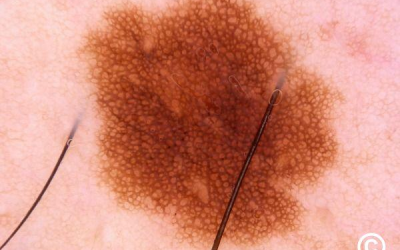
Moles, medically known as melanocytic nevi, are skin growths…
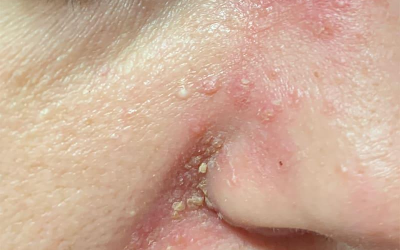
Seborrheic dermatitis is a chronic inflammatory skin condition that causes…
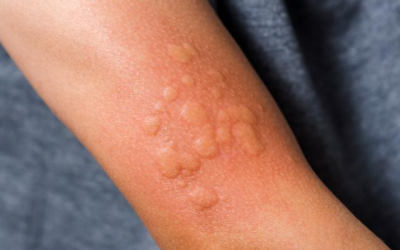
Urticaria, commonly known as hives, is a skin condition that…
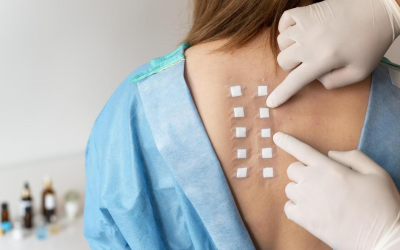
Allergic contact dermatitis is an inflammatory skin condition caused…
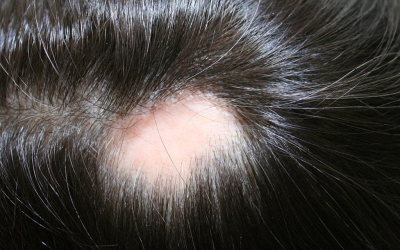
Alopecia areata is a condition in which the immune system…
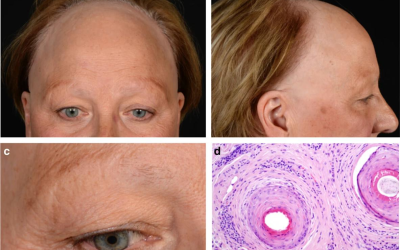
Eyebrow hair loss, medically known as eyebrow alopecia or madarosis,…
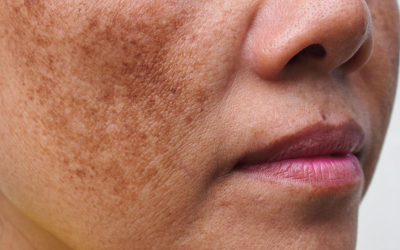
Melasma is a chronic pigmentation condition that causes brown or…
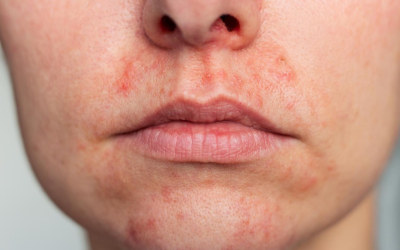
Perioral dermatitis is an inflammatory skin condition that causes small…
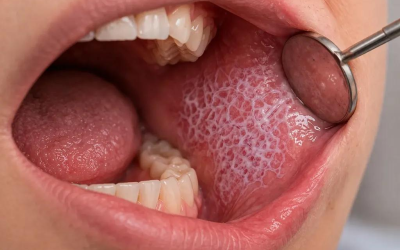
Lichen planus is a chronic, immune-related inflammatory condition that affects…

Human papillomavirus (HPV) is a common group of viruses…
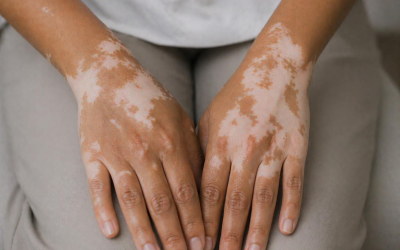
Vitiligo is a chronic skin condition characterized by white…

Acne is a chronic inflammatory skin condition that affects hair…