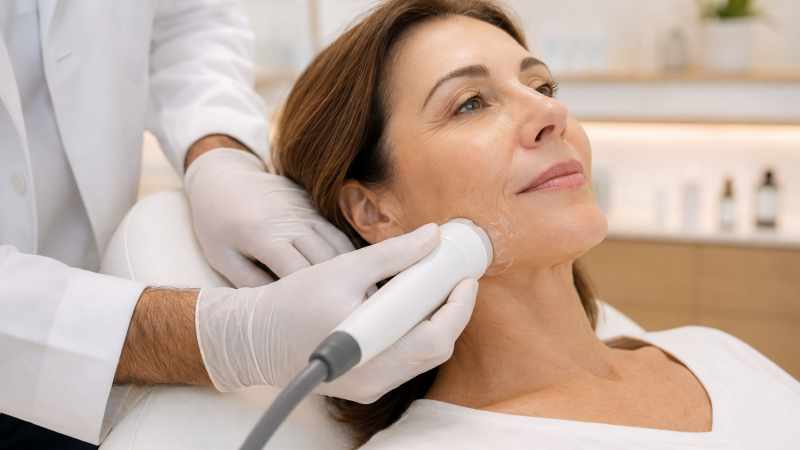
Radiofrequency (RF) uses electrical energy to generate controlled heat within the tissue. The aim is to support tissue remodeling and collagen production at an appropriate depth. While lasers use light energy, radiofrequency works with a different form of energy. The device, applicator, and treatment settings used all influence both the results and potential risks.
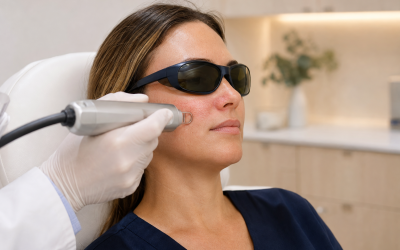
With non-invasive radiofrequency, energy is delivered through an applicator placed against the skin’s surface. RF microneedling—sometimes called “Gold Needle” treatment—uses fine needles to enter the skin and deliver energy at controlled depths. The two methods differ in their uses, the level of discomfort experienced during treatment, and recovery time. Not every radiofrequency treatment involves microneedling.
In suitable patients, radiofrequency may help improve the appearance of mild skin laxity, fine lines, and uneven skin texture. RF microneedling may also be considered for certain types of acne scars and enlarged pores. However, it cannot provide the same results as a surgical facelift when significant sagging or excess skin is present.
The number of sessions and the intervals between them depend on the device used, the treatment goals, and the individual’s skin characteristics. Because collagen remodeling takes time, results generally develop gradually over several weeks or months. The degree and duration of improvement vary from person to person. Results are not considered permanent, and follow-up assessment or additional treatments may be recommended when needed.
The number of sessions and the intervals between them depend on the device used, the treatment goals, and the individual’s skin characteristics. Because collagen remodeling takes time, results generally develop gradually over several weeks or months. The degree and duration of improvement vary from person to person. Results are not considered permanent, and follow-up assessment or additional treatments may be recommended when needed.
Suitability is determined during a medical assessment. Tell your doctor if you have a pacemaker or another electronic implant, a metal implant in the treatment area, are pregnant, have an active infection or wound-healing problems, or take any medications. After treatment, follow the recommended aftercare instructions, protect the skin from the sun, and do not pick at any scabs. Contact the treating physician if you develop increasing pain, blistering, discharge, or unexpected numbness.

Aesthetic dermatology focuses on maintaining skin health, evaluating age-related changes,…
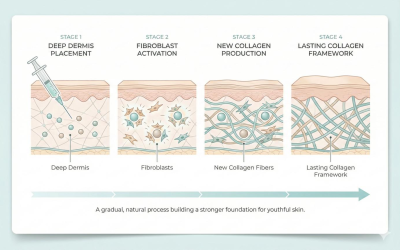
Poly-L-lactic acid (PLLA) is a biocompatible, biodegradable injectable material…
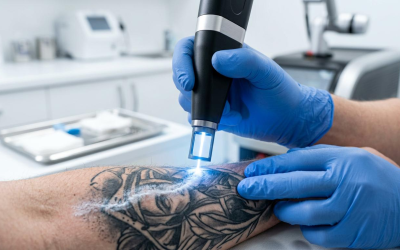
What Is Laser Tattoo Removal? Picosecond Laser Treatment Tattoos…
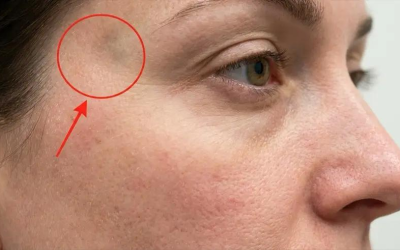
Facial aesthetics involves more than lip fullness, cheekbone definition, or…

The forehead forms the upper third of the face and…
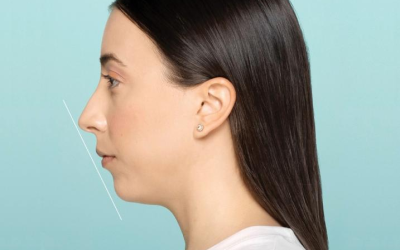
The position of the chin in relation to the rest…
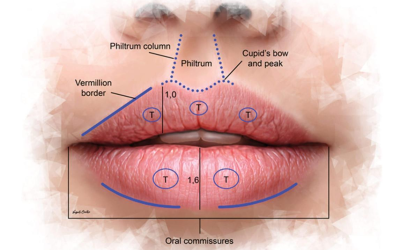
The lips play an important role in facial expression, the…
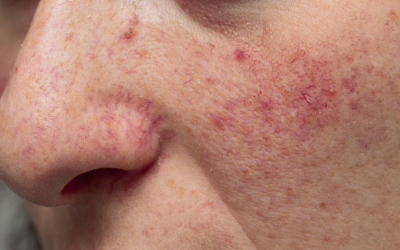
Fine red, purple, or bluish blood vessels on the face,…
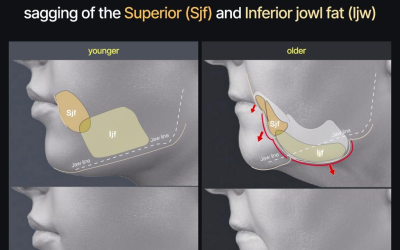
Facial sagging describes changes in facial contours and soft tissues…

The eye area is one of the face’s most…
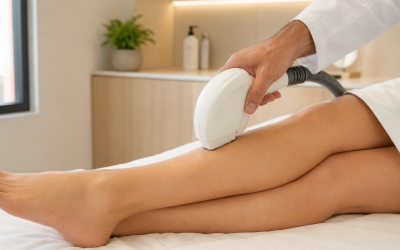
Laser hair removal is a light-based procedure designed…

Facial changes over time involve more than just wrinkles.…
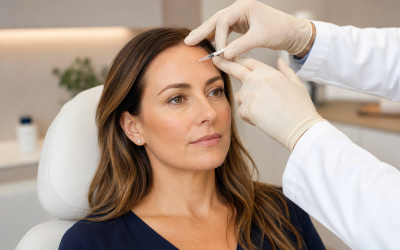
Botulinum toxin is a medical product that temporarily reduces…
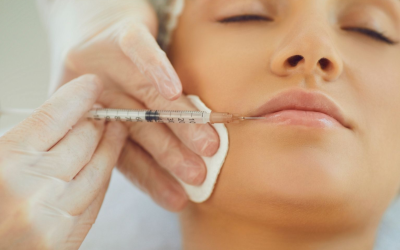
Dermal filler treatments are injection procedures performed to address…
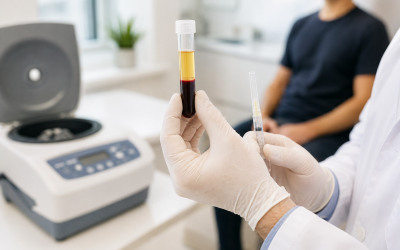
PRP stands for "Platelet-Rich Plasma." A small sample of…
Fine red, purple, or blue veins appearing on the…
Mesotherapy involves the administration of small amounts of selected…