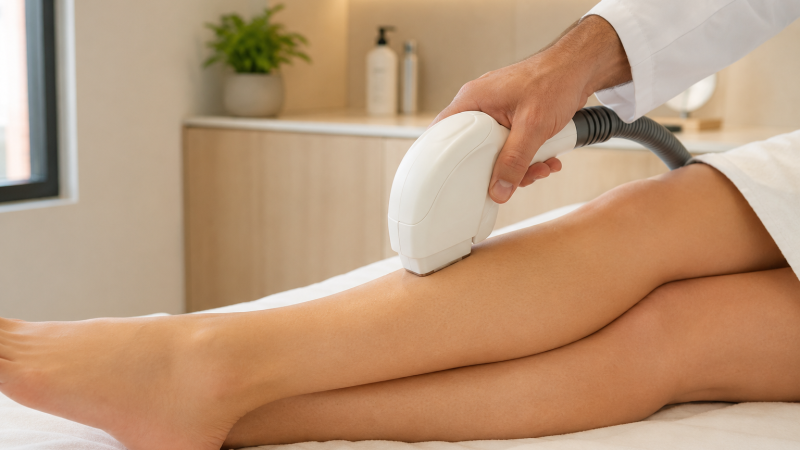
At our dermatology practice, a hybrid laser system is primarily used for laser hair removal. However, the device and treatment settings are selected after assessing the individual’s skin tone, hair characteristics, treatment area, and tanning status. Using the same device and settings for every patient is not appropriate.
The aim of laser hair removal is to achieve long-term hair reduction. Complete and lifelong removal of every hair cannot be guaranteed. Additional or maintenance treatments may be needed for hair that regrows over time, and results vary depending on the individual and the treatment area.
Because hairs are in different stages of the growth cycle, multiple sessions are required. The number of sessions and the intervals between them are planned according to the treatment area, hair characteristics, and individual response. There is no exact number of sessions that applies to everyone.
You may feel a stinging or warming sensation during treatment. The level of discomfort varies depending on the individual and the treatment area. Temporary redness and swelling around the hair follicles may occur afterward. Because there is also a risk of burns, changes in skin color, and scarring, selecting the appropriate device and treatment settings—and following the recommended aftercare—is important.
Let your doctor know if you have recently tanned, are taking any medications, or have a skin condition in the treatment area. Before your sessions, avoid methods that remove hair from the root, such as waxing, tweezing, or using an epilator. Follow the preparation instructions provided on how and when to trim or shave the hair, and do not stop taking any medication without medical advice.
Suitability is not determined by the season alone. Current skin tone, tanning status, and recent sun exposure must also be assessed. Treatment may need to be postponed if the skin is recently tanned. Using a hybrid laser does not eliminate the need for sun precautions. Avoid tanning before and after treatment, and follow the recommended sun-protection plan.

Aesthetic dermatology focuses on maintaining skin health, evaluating age-related changes,…
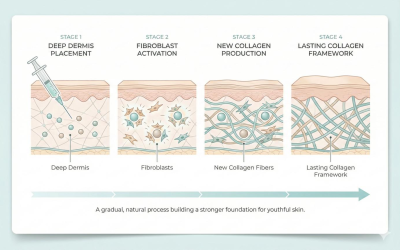
Poly-L-lactic acid (PLLA) is a biocompatible, biodegradable injectable material…
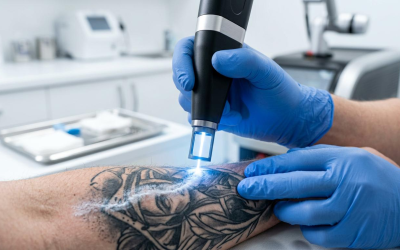
What Is Laser Tattoo Removal? Picosecond Laser Treatment Tattoos…
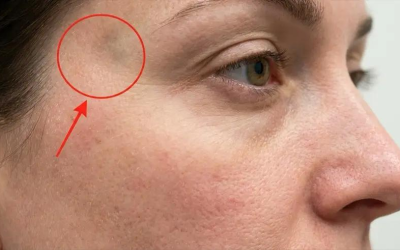
Facial aesthetics involves more than lip fullness, cheekbone definition, or…

The forehead forms the upper third of the face and…
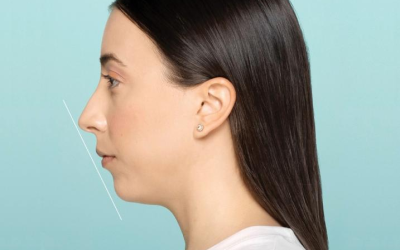
The position of the chin in relation to the rest…
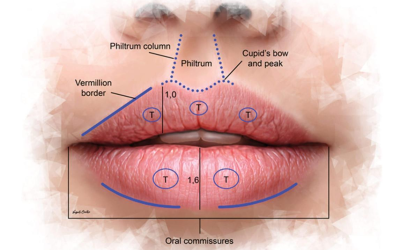
The lips play an important role in facial expression, the…
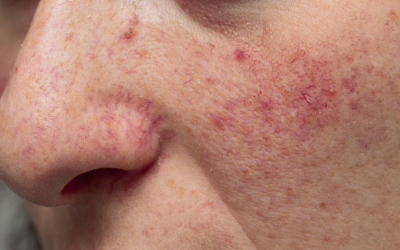
Fine red, purple, or bluish blood vessels on the face,…
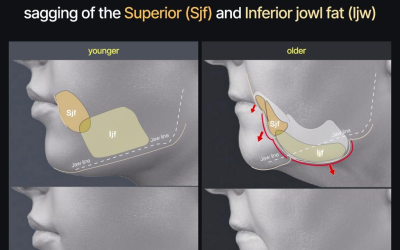
Facial sagging describes changes in facial contours and soft tissues…

The eye area is one of the face’s most…

Facial changes over time involve more than just wrinkles.…
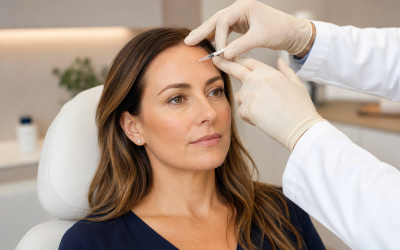
Botulinum toxin is a medical product that temporarily reduces…
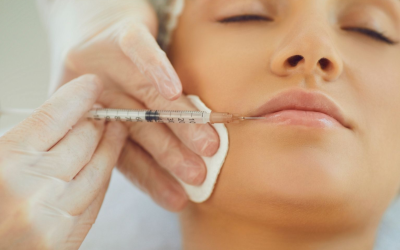
Dermal filler treatments are injection procedures performed to address…
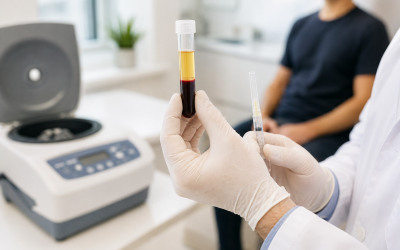
PRP stands for "Platelet-Rich Plasma." A small sample of…
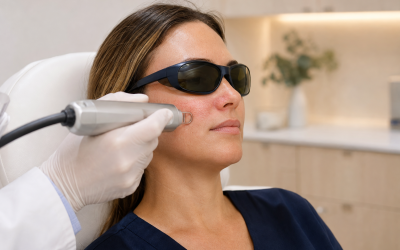
Fine red, purple, or blue veins appearing on the…
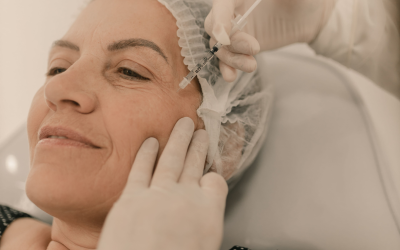
Mesotherapy involves the administration of small amounts of selected…
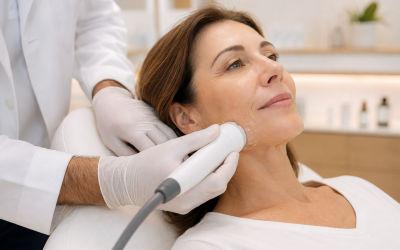
Radiofrequency treatments rely on generating heat within the skin…