There is no single facial rejuvenation treatment that is suitable for everyone. Expression lines, volume loss, pigmentation, changes in skin texture, and skin laxity each require a different approach. Treatments such as botulinum toxin, dermal fillers, laser procedures, microneedling, or other options are selected after assessing your facial anatomy, skin characteristics, and medical history.
No. In suitable patients, nonsurgical treatments may improve the appearance of wrinkles, volume loss, and certain changes in skin quality. However, when significant sagging or excess skin is present, they cannot achieve the same results as surgery. During the consultation, the potential benefits and limitations of each option are explained.
No. In suitable patients, nonsurgical treatments may improve the appearance of wrinkles, volume loss, and certain changes in skin quality. However, when significant sagging or excess skin is present, they cannot achieve the same results as surgery. During the consultation, the potential benefits and limitations of each option are explained.
For suitable patients, treatments that address different concerns may be combined within the same treatment plan. However, performing every procedure on the same day may not be necessary or appropriate. The order and timing of treatments are determined according to the procedures involved, the skin’s healing response, and the individual’s needs.
The timing of results varies depending on the treatment. Changes from some dermal fillers may be visible immediately, while the effects of botulinum toxin usually become noticeable over several days. Treatments designed to stimulate skin renewal tend to produce more gradual improvements. How long the results last depends on the method used and individual factors. Because the aging process continues, further assessment and maintenance treatments may be needed over time.
Yes. Depending on the procedure, temporary redness, swelling, bruising, tenderness, or peeling may occur. Some treatments require only a short recovery period, while certain laser procedures may involve longer downtime. More serious complications are also possible. The risks specific to the procedure, aftercare instructions, and expected time for returning to normal activities are explained beforehand.
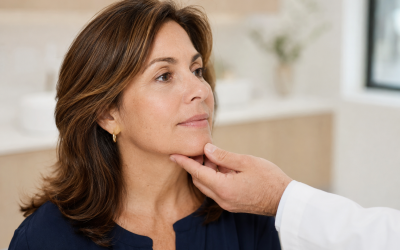
Aesthetic dermatology focuses on maintaining skin health, evaluating age-related changes,…
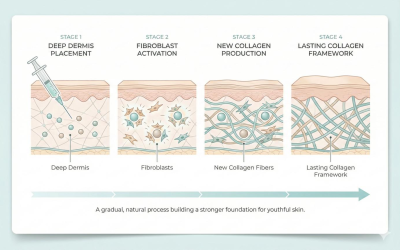
Poly-L-lactic acid (PLLA) is a biocompatible, biodegradable injectable material…
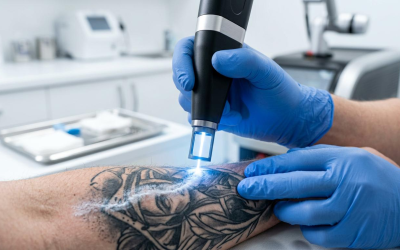
What Is Laser Tattoo Removal? Picosecond Laser Treatment Tattoos…
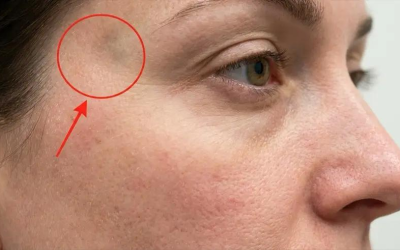
Facial aesthetics involves more than lip fullness, cheekbone definition, or…

The forehead forms the upper third of the face and…
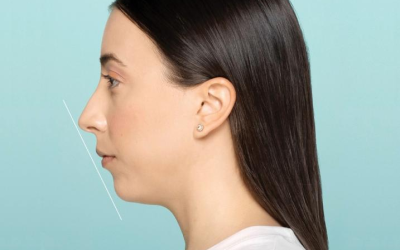
The position of the chin in relation to the rest…
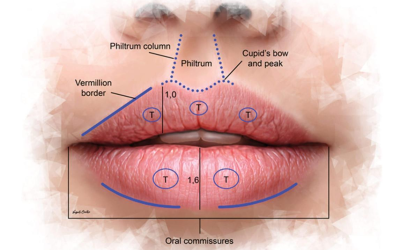
The lips play an important role in facial expression, the…
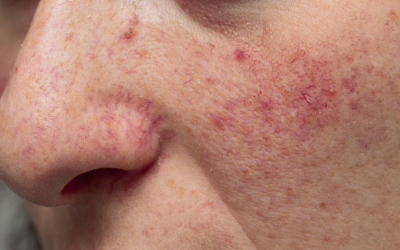
Fine red, purple, or bluish blood vessels on the face,…
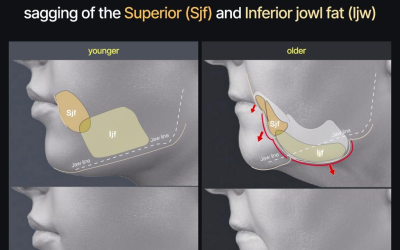
Facial sagging describes changes in facial contours and soft tissues…

The eye area is one of the face’s most…
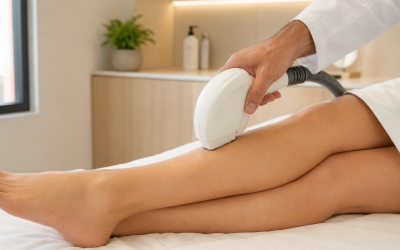
Laser hair removal is a light-based procedure designed…
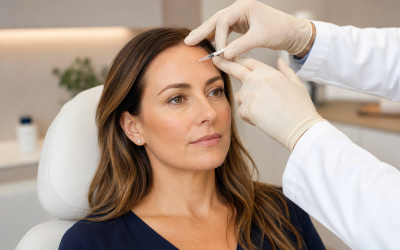
Botulinum toxin is a medical product that temporarily reduces…
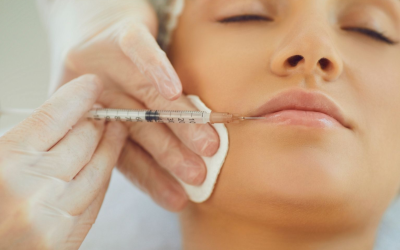
Dermal filler treatments are injection procedures performed to address…
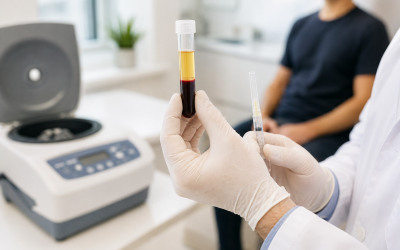
PRP stands for "Platelet-Rich Plasma." A small sample of…
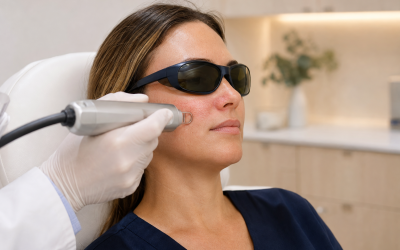
Fine red, purple, or blue veins appearing on the…
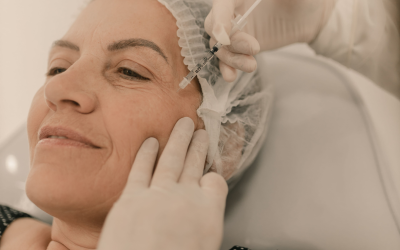
Mesotherapy involves the administration of small amounts of selected…
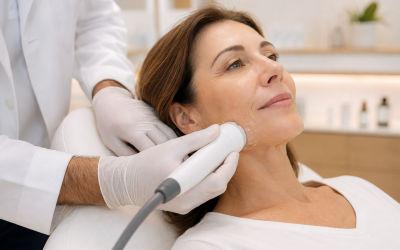
Radiofrequency treatments rely on generating heat within the skin…