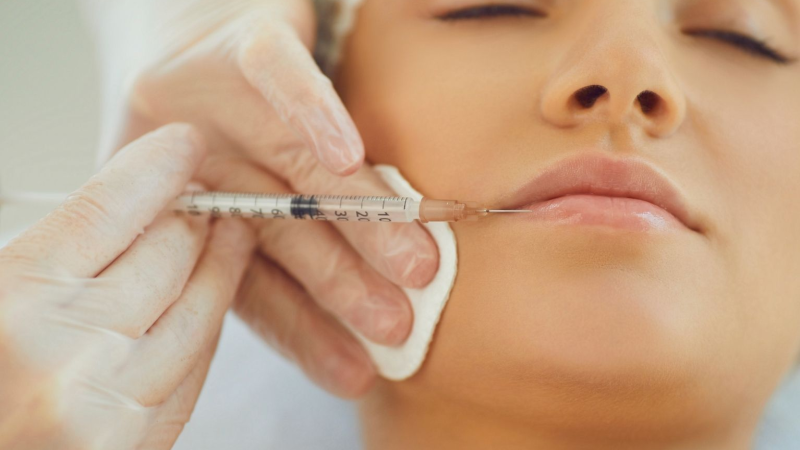
Dermal Filler Treatments
 
Dermal filler treatments are injection procedures performed to address volume changes in specific areas of the face, adjust facial proportions, and treat certain lines or folds.
 
Before the procedure, the individual's facial anatomy, skin structure, expressions, existing asymmetries, previous treatments, medical history, medications, and expectations are evaluated.
 
 What Are the Applications?
 
In suitable candidates, dermal fillers can be used for the following purposes:
 
*   Supporting the cheek and mid-face areas
*   Refining chin and jawline proportions
*   Enhancing the lips and the area around the mouth
*   Reducing the folds between the nose and the corners of the mouth (nasolabial folds)
*   Restoring volume in the temple area
*   Addressing specific hollows under the eyes (tear troughs)
*   Balancing certain facial asymmetries
 
Not every area is suitable for filler treatment. The risk of complications may be higher, particularly in the nose, forehead, area between the eyebrows, and the eye area.
 
## Types of Fillers and Biostimulators
 
Filler products differ in terms of their composition and intended use.
 
**Hyaluronic acid fillers** can be used to provide volume, adjust facial proportions, and reduce specific lines. If necessary, certain hyaluronic acid fillers can be dissolved using the enzyme hyaluronidase.
 
**Calcium hydroxyapatite** can be used to provide structural support or improve skin quality. It cannot be dissolved with hyaluronidase.
 
**Poly-L-lactic acid** is a biostimulator that works by triggering a biological response in the tissue over time. Its effects may appear more gradually, and multiple sessions may be required.
 
## Treatment and Results Process
 
The product to be used, the dosage, the treatment area, and the injection technique are determined on an individual basis. The filler can be administered using a needle or a cannula.
 
The effects of hyaluronic acid fillers may be noticeable immediately after the procedure; however, one must wait for the tissues to settle before making a final assessment, as swelling may be present. The effects of biostimulatory products may develop more gradually.
 
The duration of the effect varies depending on the product used, the treatment area, and the individual's tissue characteristics.
 
## Potential Side Effects and Risk of Vascular Occlusion
 
Redness, swelling, tenderness, bruising, or temporary asymmetry may occur after the procedure. Less frequently, complications such as infection, nodules, discoloration, prolonged edema, or delayed inflammatory reactions may develop.
 
One rare but serious complication involves the accidental injection of the filler into a blood vessel or compression of a vessel. This can lead to skin damage and tissue loss; very rarely, it may cause vision loss or neurological complications.
 
Immediate medical evaluation is required if severe pain, skin blanching or a gray-purple discoloration, blurred vision, or vision loss occurs.
 
## Who May Not Be Suitable for Treatment?
 
The procedure may be postponed for individuals with active infections, cold sores (herpes), open wounds, hypersensitivity to the product's ingredients, pregnancy or breastfeeding, uncontrolled systemic diseases, or a tendency toward bleeding.
 
Any medications being taken and any previous filler treatments must be disclosed prior to the procedure. Prescription medications should not be discontinued without a physician's recommendation.
 
At the Dermatology Practice of Specialist Dr. Armin Müştak, suitability for filler treatment is determined by evaluating facial anatomy and medical history. The product to be used, expected outcomes, limitations, and potential risks are discussed prior to the procedure.

Frequently Asked Questions

In suitable patients, dermal fillers may be used to restore lost volume, enhance facial contours, and improve the appearance of certain lines or hollows. They can be used in areas such as the lips, cheeks, and chin. Not every filler is suitable for every area; the product and treatment site are selected after a medical assessment.

Hyaluronic acid fillers generally provide immediate volume and contouring. Depending on how it is used, calcium hydroxylapatite may provide structural support and stimulate collagen production. PLLA works primarily by supporting collagen production, so its effects develop gradually over time. These products differ in their treatment areas, onset of results, and potential risks.

Temporary swelling may occur immediately after treatment, and this initial appearance should not be considered the final result. To achieve a natural look, facial proportions, tissue characteristics, and the amount of filler required are evaluated together. Excessive or inappropriate filler placement may cause unwanted changes in appearance. When necessary, a gradual, staged approach may be preferred.

The duration of results varies depending on the product, treatment area, amount used, and individual factors. Hyaluronic acid fillers and collagen-stimulating injectables do not last for the same length of time. There is no single timeframe that applies to everyone; the expected duration and follow-up plan are discussed based on the specific product used.

In suitable cases, hyaluronic acid fillers can be reduced or dissolved by a physician using an enzyme called hyaluronidase. However, this procedure carries its own risks, and more than one treatment may be needed. Calcium hydroxylapatite and PLLA fillers cannot be dissolved with the same enzyme. It is therefore important to discuss reversibility before choosing a filler.

Temporary swelling, bruising, and tenderness may occur. Infection or nodules are also possible. A rare but serious complication is vascular occlusion, which can lead to tissue damage or vision loss. If you develop unusual or increasing pain, whitening or dusky discoloration of the skin, or any change in vision during or after treatment, contact the treating physician immediately. Seek emergency medical care without delay for any vision changes.
Aesthetic Dermatology

Aesthetic Dermatology

Aesthetic Dermatology

Aesthetic dermatology focuses on maintaining skin health, evaluating age-related changes,…
More Details
What Is Poly-L-Lactic Acid (PLLA)? Collagen Stimulation and Skin Rejuvenation

What Is Poly-L-Lactic Acid (PLLA)? Collagen Stimulation and Skin Rejuvenation

  Poly-L-lactic acid (PLLA) is a biocompatible, biodegradable injectable material…
More Details
What Is Laser Tattoo Removal? Picosecond Laser Treatment

What Is Laser Tattoo Removal? Picosecond Laser Treatment

  What Is Laser Tattoo Removal? Picosecond Laser Treatment Tattoos…
More Details
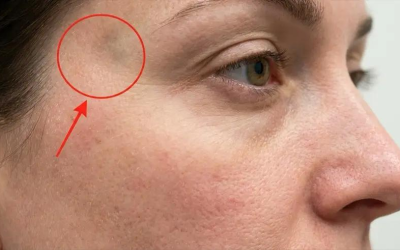
What Is Temple Hollowing? The Role of the Temporal Region in Facial Aesthetics

What Is Temple Hollowing? The Role of the Temporal Region in Facial Aesthetics

Facial aesthetics involves more than lip fullness, cheekbone definition, or…

More Details
Forehead and Glabella Aesthetics: Contours, Brows, and Wrinkles

Forehead and Glabella Aesthetics: Contours, Brows, and Wrinkles

The forehead forms the upper third of the face and…
More Details
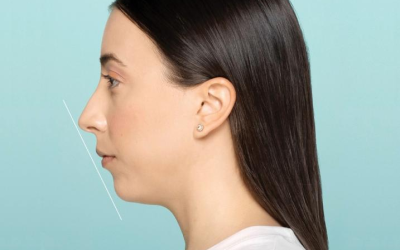
Chin Projection and Jawline Aesthetics: Facial Assessment and Current Treatments

Chin Projection and Jawline Aesthetics: Facial Assessment and Current Treatments

The position of the chin in relation to the rest…
More Details
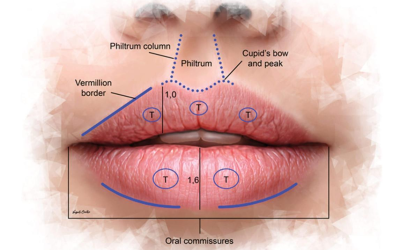
Lip Aesthetics and Facial Assessment: Lip Proportions and Current Treatments

Lip Aesthetics and Facial Assessment: Lip Proportions and Current Treatments

The lips play an important role in facial expression, the…
More Details
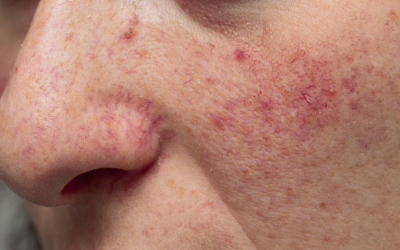
Facial and Leg Spider Vein Treatment: Telangiectasia, Lasers, and Sclerotherapy

Facial and Leg Spider Vein Treatment: Telangiectasia, Lasers, and Sclerotherapy

Fine red, purple, or bluish blood vessels on the face,…
More Details
What Causes Facial Sagging? Facial Anatomy and Current Treatment Options

What Causes Facial Sagging? Facial Anatomy and Current Treatment Options

Facial sagging describes changes in facial contours and soft tissues…

More Details
Under-Eye Dark Circles and Hollows: Facial Anatomy and Current Treatments

Under-Eye Dark Circles and Hollows: Facial Anatomy and Current Treatments

  The eye area is one of the face’s most…
More Details
Laser Hair Removal

Laser Hair Removal

    Laser hair removal is a light-based procedure designed…

More Details
Facial Rejuvenation Treatment

Facial Rejuvenation Treatment

  Facial changes over time involve more than just wrinkles.…
More Details
Botulinum Toxin Treatments

Botulinum Toxin Treatments

  Botulinum toxin is a medical product that temporarily reduces…

More Details
Platelet-Rich Plasma (PRP) Treatments

Platelet-Rich Plasma (PRP) Treatments

  PRP stands for "Platelet-Rich Plasma." A small sample of…
More Details
Laser Treatment for Visible Blood Vessels

Laser Treatment for Visible Blood Vessels

  Fine red, purple, or blue veins appearing on the…
More Details
Mesotherapy Treatments

Mesotherapy Treatments

  Mesotherapy involves the administration of small amounts of selected…
More Details
Radiofrequency Treatments

Radiofrequency Treatments

  Radiofrequency treatments rely on generating heat within the skin…

More Details
Contact Us