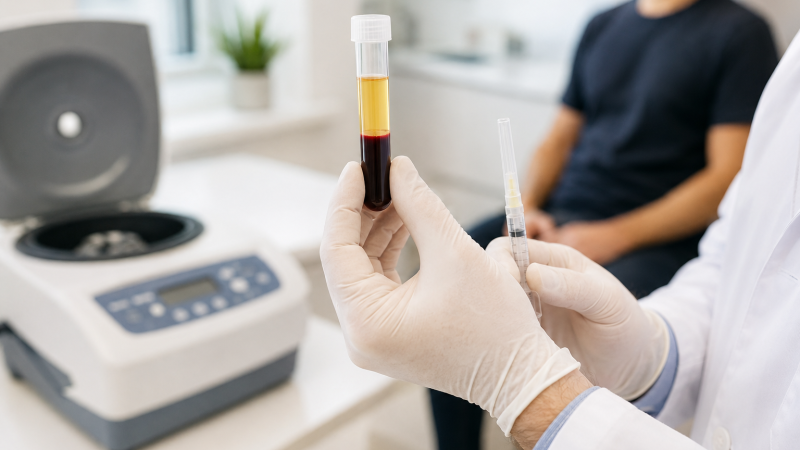
PRP stands for platelet-rich plasma, which is prepared from the patient’s own blood. A blood sample is processed to separate its components, and the platelet-rich portion is then applied to the targeted area. Platelets contain growth factors associated with tissue repair. PRP is not a stem cell treatment.
PRP may help support hair density and thickness in some people with male- or female-pattern hair loss. However, it does not provide the same benefit for every type of hair loss. The underlying cause should first be identified, and PRP should be considered alongside other treatments when needed. It is not expected to regenerate hair follicles that have been permanently lost.
In suitable patients, PRP may help improve skin texture and the appearance of fine lines. However, scientific evidence supporting its use for skin rejuvenation remains limited, and results vary from person to person. Unlike dermal fillers, PRP does not provide immediate volume and cannot be expected to completely correct significant skin laxity or deep wrinkles.
A single session may not be enough for everyone. The number of sessions and the intervals between them are determined by the treatment goal and individual response; there is no single protocol that applies to every patient. When PRP is effective, changes usually become noticeable over several weeks or months. The need for additional or maintenance treatments is assessed during follow-up.
No. Being prepared from your own blood does not make PRP entirely risk-free. Pain may occur during the procedure, followed by temporary redness, swelling, tenderness, or bruising. There is also a risk of infection, so strict sterile technique is essential during both the preparation and administration of PRP.
PRP is not suitable for everyone. A low platelet count or impaired platelet function, bleeding disorders, active infections, and certain serious medical conditions require careful assessment. Tell your doctor about all medications you take—especially blood thinners—along with any existing medical conditions and whether you are pregnant or breastfeeding. Do not stop taking any medication without your doctor’s advice.
Aesthetic dermatology focuses on maintaining skin health, evaluating age-related changes,…
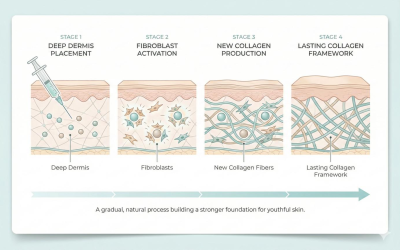
Poly-L-lactic acid (PLLA) is a biocompatible, biodegradable injectable material…
What Is Laser Tattoo Removal? Picosecond Laser Treatment Tattoos…
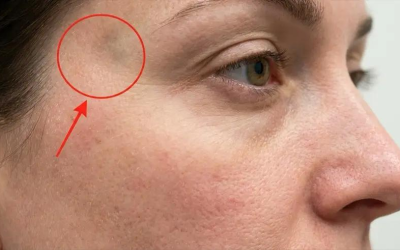
Facial aesthetics involves more than lip fullness, cheekbone definition, or…

The forehead forms the upper third of the face and…
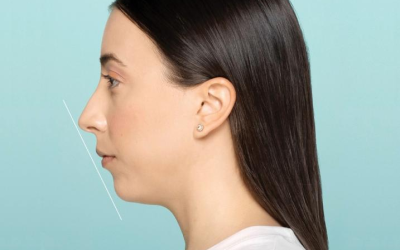
The position of the chin in relation to the rest…
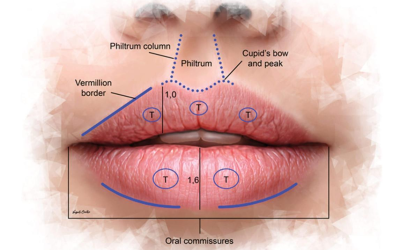
The lips play an important role in facial expression, the…
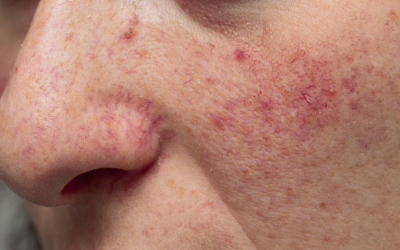
Fine red, purple, or bluish blood vessels on the face,…
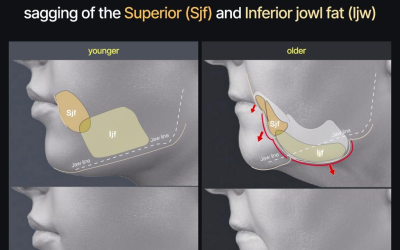
Facial sagging describes changes in facial contours and soft tissues…

The eye area is one of the face’s most…
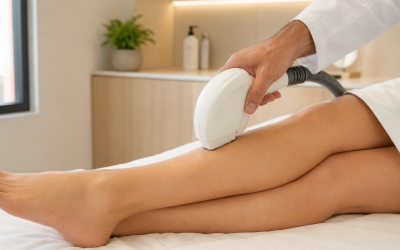
Laser hair removal is a light-based procedure designed…

Facial changes over time involve more than just wrinkles.…
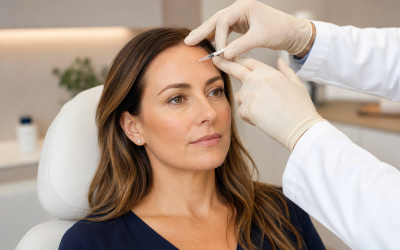
Botulinum toxin is a medical product that temporarily reduces…
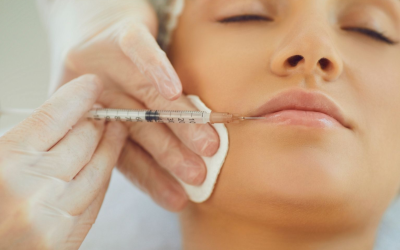
Dermal filler treatments are injection procedures performed to address…
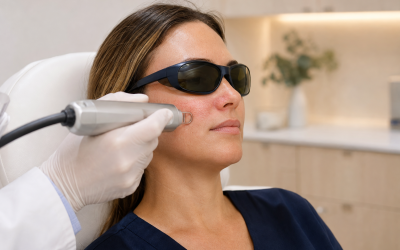
Fine red, purple, or blue veins appearing on the…
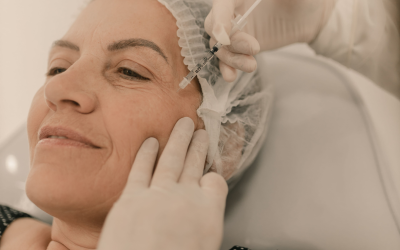
Mesotherapy involves the administration of small amounts of selected…
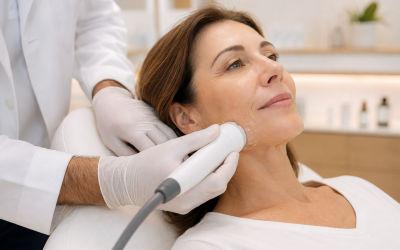
Radiofrequency treatments rely on generating heat within the skin…