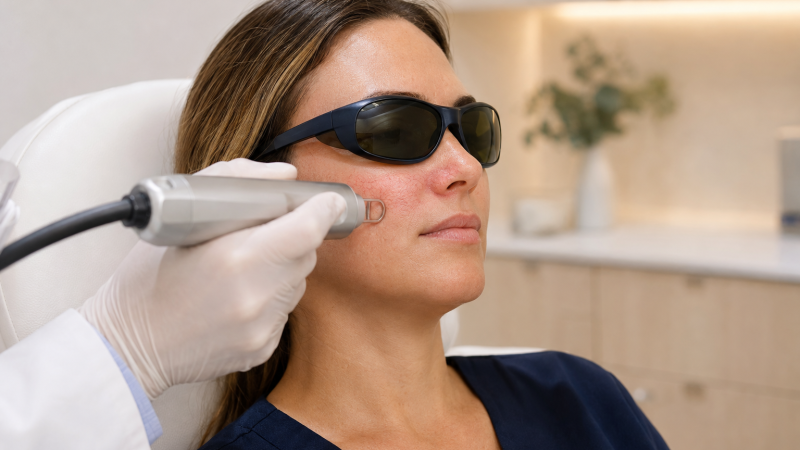
Laser energy is absorbed by hemoglobin within the blood vessel and converted into heat. This causes the targeted vessel to close, gradually reducing its visible appearance. The type of laser and treatment settings are selected according to the vessel’s size, depth, and location, as well as the patient’s skin characteristics.
Not always. Laser treatment may be suitable for fine facial vessels, particularly around the nose and on the cheeks. For leg veins, sclerotherapy or another treatment may be preferred depending on the type of vessel. If leg pain, swelling, or prominent varicose veins are present, the venous circulation may need to be assessed before treatment, sometimes with a Doppler ultrasound.
Some fine vessels may show visible improvement after the first treatment, while others may take several weeks or months to fade. More than one session may be required. The number of sessions and the intervals between them are planned according to the extent of the vessels, the treatment method used, and the individual response. Complete clearance of all vessels after a single session cannot be guaranteed.
Successfully closed vessels may disappear permanently, but new vessels can develop over time. Laser treatment may reduce visible blood vessels and some of the redness associated with rosacea, but it does not cure the condition. When needed, it is combined with medical treatment, an appropriate skincare routine, and management of individual triggers.
A brief stinging or warming sensation may be felt during treatment. Afterward, temporary redness, swelling, tenderness, and—with some lasers—bruising may occur. Less commonly, burns, crusting, darkening or lightening of the skin, and scarring may develop. Recovery time varies depending on the laser used and the area treated.
Before treatment, tell your doctor about any recent tanning, medications you are taking, sensitivity to light, and history of cold sores. Do not stop taking any medication without medical advice. Sun protection is important before and after treatment, and the procedure may need to be postponed if the skin is tanned. Follow the recommended aftercare instructions and do not pick at any scabs that form.
Aesthetic dermatology focuses on maintaining skin health, evaluating age-related changes,…
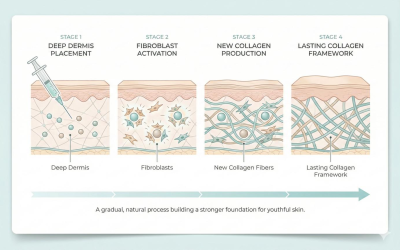
Poly-L-lactic acid (PLLA) is a biocompatible, biodegradable injectable material…
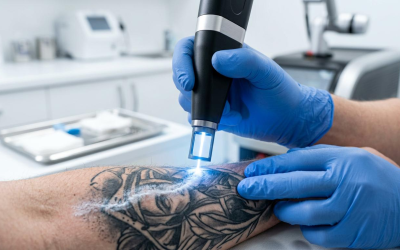
What Is Laser Tattoo Removal? Picosecond Laser Treatment Tattoos…
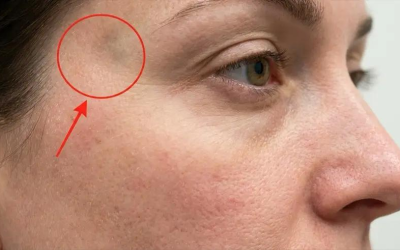
Facial aesthetics involves more than lip fullness, cheekbone definition, or…

The forehead forms the upper third of the face and…
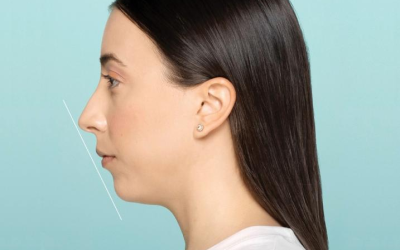
The position of the chin in relation to the rest…
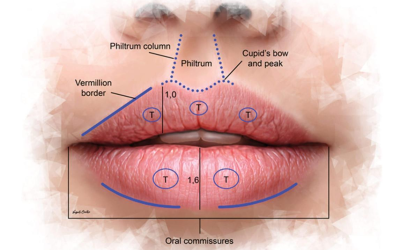
The lips play an important role in facial expression, the…
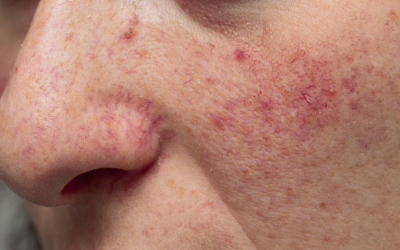
Fine red, purple, or bluish blood vessels on the face,…
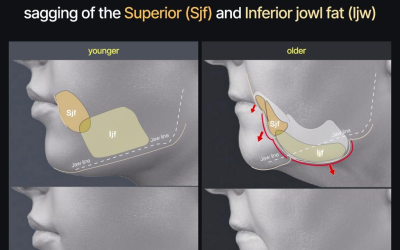
Facial sagging describes changes in facial contours and soft tissues…

The eye area is one of the face’s most…
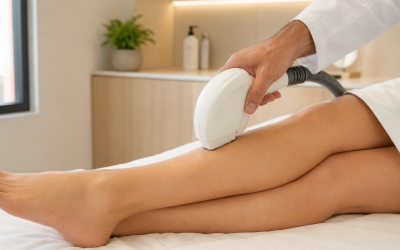
Laser hair removal is a light-based procedure designed…
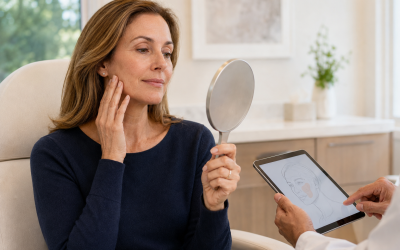
Facial changes over time involve more than just wrinkles.…
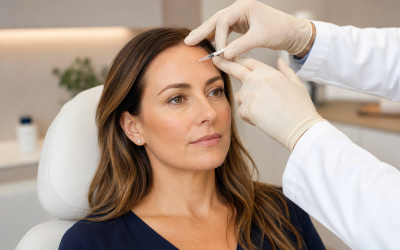
Botulinum toxin is a medical product that temporarily reduces…
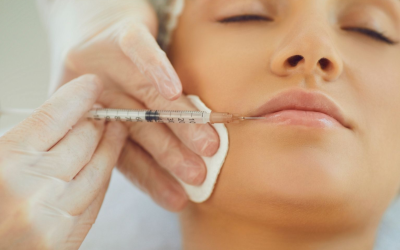
Dermal filler treatments are injection procedures performed to address…
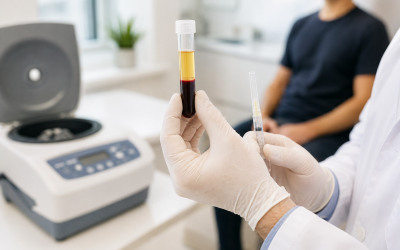
PRP stands for "Platelet-Rich Plasma." A small sample of…
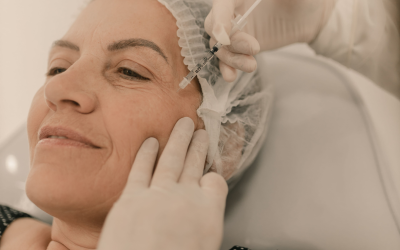
Mesotherapy involves the administration of small amounts of selected…
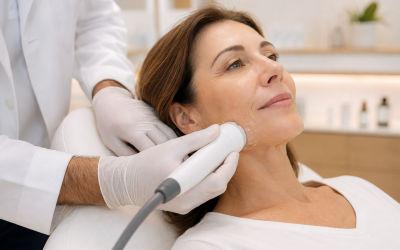
Radiofrequency treatments rely on generating heat within the skin…