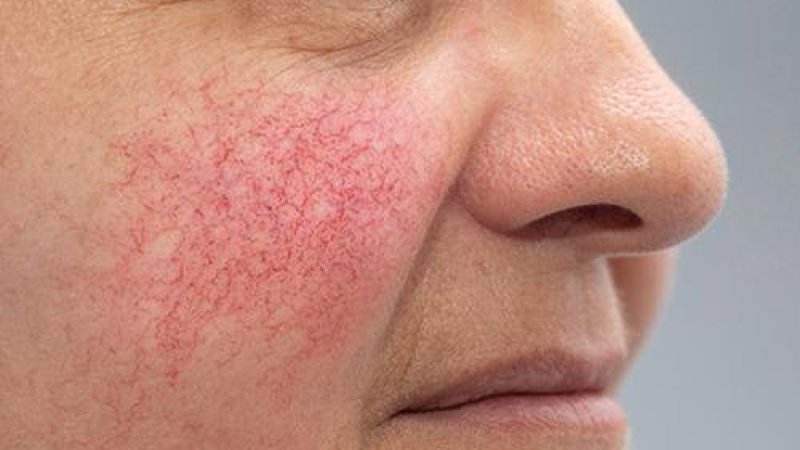
Rosacea is a chronic inflammatory skin condition that primarily affects the central face.
It typically causes redness on the cheeks, nose, forehead, and chin. Some people also develop visible blood vessels, burning, stinging, and red bumps that resemble acne.
Rosacea can flare up periodically, and symptoms vary from person to person.
Rosacea is not contagious. Appropriate dermatologic treatment and daily skincare can help control its symptoms.
The exact cause of rosacea is not fully understood. Several mechanisms are thought to contribute, including:
Rosacea involves more than sensitive skin alone. Mechanisms involving the skin’s blood vessels, nerves, and immune system all play a role.
Common symptoms include:
Episodes of flushing or persistent redness may occur, particularly on the cheeks and around the nose.
Small, superficial blood vessels can become enlarged and appear as fine red lines on the skin.
Some people develop red bumps and small, pus-filled lesions. These differ from typical acne.
Skin affected by rosacea may feel warm, dry, tight, or irritated. Skincare and cosmetic products may cause burning or stinging.
Rosacea can also affect the eyes, causing redness, dryness, stinging, light sensitivity, and eyelid inflammation.
Eye pain, reduced vision, or significant light sensitivity requires prompt evaluation by an ophthalmologist.
Certain environmental and individual factors can worsen rosacea symptoms.
Commonly reported triggers include:
Triggers vary from person to person. Identifying your own triggers is more helpful than avoiding all foods or activities that might cause a flare-up.
Rosacea is usually diagnosed through a dermatologic examination.
The examination assesses the pattern of redness, visible blood vessels, inflammatory lesions, and skin sensitivity.
When needed, rosacea is distinguished from acne, seborrheic dermatitis, contact dermatitis, and other conditions.
There is no specific blood test that everyone needs for a rosacea diagnosis.
Treatment is planned around the patient’s main symptoms.
Redness, enlarged blood vessels, and acne-like lesions may require different approaches.
Topical medications may be used for mild to moderate rosacea with inflammatory lesions.
Ivermectin: May help reduce red bumps and inflammatory lesions.
Azelaic acid: Can help reduce inflammatory lesions and, in some patients, redness.
Metronidazole: A topical option used to control inflammatory symptoms.
The choice depends on skin sensitivity, the type of lesions, and previous treatments.
Oral medication may be needed for moderate to severe inflammatory rosacea or when topical treatment is insufficient.
Doxycycline may be used to reduce inflammatory symptoms in suitable patients.
A dermatologist may consider other systemic treatments for selected cases that have not responded adequately.
Some patients with persistent facial redness may benefit from topical medications that temporarily narrow blood vessels.
Options include brimonidine and oxymetazoline.
Their effects are temporary. Some patients may experience irritation or increased redness. A dermatologist should assess whether these medications are appropriate.
Certain laser and light treatments may help reduce persistent redness and visible blood vessels associated with rosacea.
Options for selected patients include:
These treatments aim to reduce the appearance of superficial blood vessels and the redness associated with them.
Laser and IPL treatments do not address every rosacea symptom on their own. Medication and appropriate skincare may also be needed for inflammatory lesions.
Treatment selection depends on skin type, the characteristics of the blood vessels, and disease activity.
Rosacea is a chronic condition. There is currently no treatment that permanently eliminates it in every patient.
However, appropriate treatment can substantially reduce redness, inflammatory lesions, and skin sensitivity.
Consistent skincare, managing triggers, and maintenance treatment when needed are important for limiting recurrences.
Appropriate skincare can be as important as medication in managing rosacea.
A consistent routine with a few well-tolerated products may be more helpful than using many different cosmetic products.
The red bumps and inflammatory lesions of rosacea can resemble acne.
However, blackheads and whiteheads, known as comedones, are common in acne and generally absent in rosacea.
Persistent facial redness, flushing, burning, and visible blood vessels are more characteristic of rosacea.
An accurate diagnosis matters because the two conditions may require different treatments.
A dermatologic evaluation is recommended if you have persistent facial redness, recurring flushing, visible blood vessels, or acne-like breakouts.
Consult a dermatologist if cosmetic products repeatedly cause burning, redness is worsening, or lesions persist despite treatment.
Rosacea treatment aims to reduce redness, control flare-ups, and protect the skin barrier.
At Dr. Armin Müştak’s private dermatology practice, patients with rosacea receive a dermatologic examination. A treatment and follow-up plan is developed based on their symptoms, skin characteristics, and previous treatments.
For suitable patients, laser or IPL treatments may be considered alongside medication to reduce visible blood vessels and redness.
Accurate diagnosis, treatment suited to the patient’s skin type, and consistent skincare are central to managing rosacea.
Rosacea is a chronic skin condition, and complete, lasting clearance is not always possible. However, appropriate medication, skincare, and laser or IPL treatments when needed can help keep symptoms well controlled.
Yes. Appropriate laser and IPL treatments can help reduce persistent facial redness and visible blood vessels. However, medication may also be needed for acne-like inflammatory lesions. Treatment is selected based on the patient’s skin type and symptoms.
Both conditions can cause red bumps and inflammatory lesions. However, facial redness, burning, and visible blood vessels are more characteristic of rosacea. The blackheads and whiteheads typical of acne are generally absent in rosacea.
Harsh exfoliants, abrasive cleansers, and irritating products containing alcohol or fragrance may worsen symptoms in some people. A gentle cleanser, a suitable moisturizer, and daily sunscreen are recommended. Tolerance to individual products varies from person to person.
Dermatology is the branch of medicine concerned with the…
Eczema is a general term for inflammatory skin conditions that…
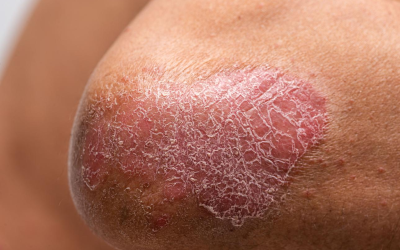
Psoriasis is a chronic, immune-mediated inflammatory condition that causes red,…
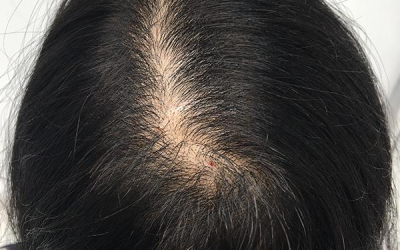
Hair loss is a common dermatologic concern that can affect…
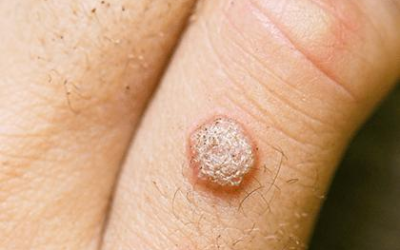
Warts are generally benign, contagious skin growths caused by certain…
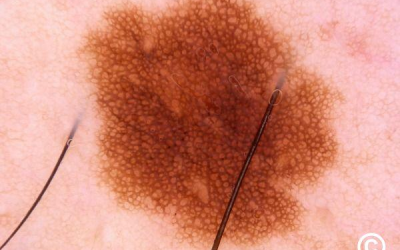
Moles, medically known as melanocytic nevi, are skin growths…
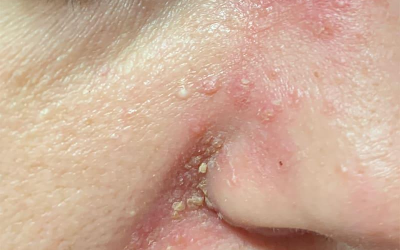
Seborrheic dermatitis is a chronic inflammatory skin condition that causes…
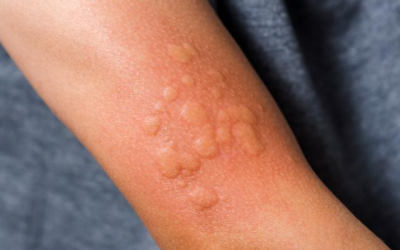
Urticaria, commonly known as hives, is a skin condition that…
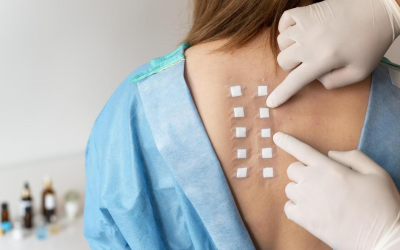
Allergic contact dermatitis is an inflammatory skin condition caused…
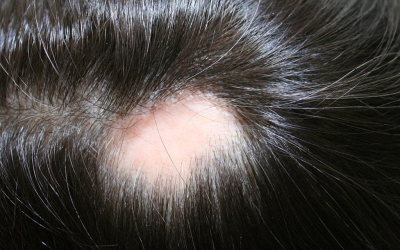
Alopecia areata is a condition in which the immune system…
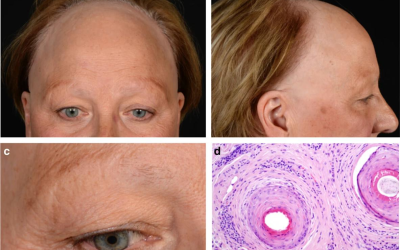
Eyebrow hair loss, medically known as eyebrow alopecia or madarosis,…
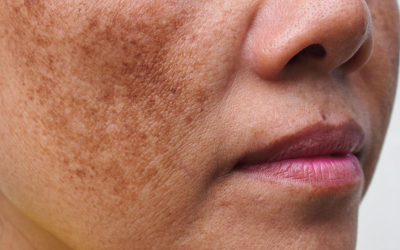
Melasma is a chronic pigmentation condition that causes brown or…
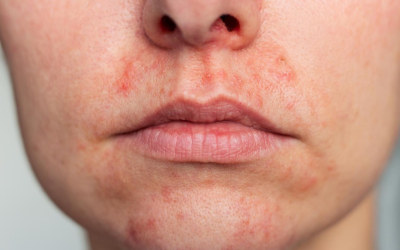
Perioral dermatitis is an inflammatory skin condition that causes small…
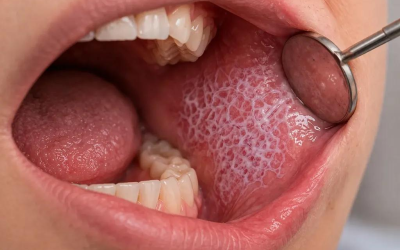
Lichen planus is a chronic, immune-related inflammatory condition that affects…

The effects of a product applied to the skin depend…

Human papillomavirus (HPV) is a common group of viruses…
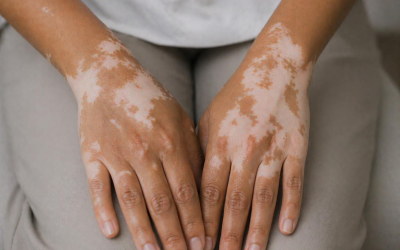
Vitiligo is a chronic skin condition characterized by white…

Acne is a chronic inflammatory skin condition that affects hair…