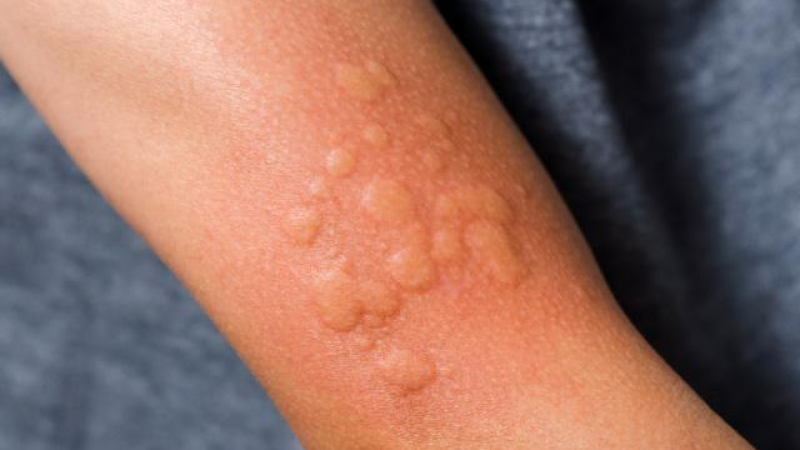
Urticaria, commonly known as hives, is a skin condition that causes sudden outbreaks of itchy, raised welts that are often red.
Welts can appear anywhere on the body, disappear within a few hours, and develop again in other areas.
Some patients also experience deeper swelling of the lips, eyelids, or other areas. This is called angioedema.
Hives are not contagious and do not always indicate an allergy.
Hives develop when mast cells in the skin release histamine and other inflammatory substances.
These substances make small blood vessels more permeable, causing raised welts, redness, and itching.
Possible triggers include infections, certain medications, food allergies, physical stimuli, and immune mechanisms.
In chronic spontaneous urticaria, a single allergen often cannot be identified. Autoimmune mechanisms may contribute in some patients.
Individual hives typically disappear within 24 hours without leaving marks.
If the same lesion lasts longer than 24 hours, is painful, or leaves bruising, further evaluation for other conditions may be needed.
Acute urticaria lasts less than six weeks.
It may be associated with infections, medications, or certain allergic reactions. In many patients, it resolves within a short time.
Chronic urticaria involves recurring hives for more than six weeks.
In chronic spontaneous urticaria, welts can develop without an identifiable external trigger.
This form develops in response to specific triggers, such as cold, heat, pressure, friction, sunlight, or an increase in body temperature.
Identifying the trigger is important when planning treatment.
Diagnosis is usually based on the patient’s medical history and a dermatologic examination.
Photographs can be helpful because the welts may have disappeared by the time of the appointment.
Extensive allergy panels are not routinely recommended for everyone with chronic spontaneous urticaria.
Depending on the history and examination findings, a limited workup may include a complete blood count, C-reactive protein (CRP), or erythrocyte sedimentation rate (ESR). A specialist may consider additional tests, such as total IgE and anti-thyroid peroxidase (anti-TPO) antibodies.
Other tests are selected according to clinical findings.
Treatment aims to control itching, welts, and swelling so patients can feel more comfortable in daily life.
Second-generation H1 antihistamines are the first-line treatment for hives.
They help reduce itching and welts.
For patients with chronic urticaria whose symptoms are not controlled at the standard dose, a dermatologist may increase the dose of certain second-generation antihistamines to as much as four times the standard recommended dose.
This approach is not appropriate for every patient or every medication.
Omalizumab is a biologic medication that may be used for chronic spontaneous urticaria that has not responded adequately to standard antihistamine treatment.
It targets immune mechanisms involving IgE.
In suitable patients, it can substantially improve control of itching and outbreaks of hives.
New medications have been developed in recent years for chronic spontaneous urticaria.
Dupilumab is a biologic treatment that targets IL-4 and IL-13 signaling pathways in the immune system.
Remibrutinib is a newer oral medication that targets Bruton’s tyrosine kinase (BTK), an enzyme involved in mast cell activation.
These medications offer additional options for selected patient groups. Their regulatory approval, availability, and conditions of use in Türkiye require separate assessment.
Other systemic treatments, such as cyclosporine, may be considered under specialist supervision when symptoms remain uncontrolled despite several treatments.
Long-term systemic corticosteroid use is not recommended for chronic urticaria.
A short course of systemic corticosteroids may be considered for severe flare-ups in selected patients.
Acute urticaria may resolve within a short time in many patients.
Chronic urticaria can last for months or longer, although many patients eventually experience spontaneous remission.
Current treatments can provide complete or substantial symptom control.
Hives may occur with angioedema.
Swelling of the tongue or throat, difficulty breathing, voice changes, fainting, or a significant drop in blood pressure requires emergency medical attention.
These symptoms may be part of a severe allergic reaction. Call 112, Türkiye’s emergency number, if they occur.
Assessment considers whether urticaria is acute or chronic, possible triggers, the frequency of outbreaks, and its effect on quality of life.
At Dr. Armin Müştak’s private dermatology practice, patients with hives receive a dermatologic examination. Appropriate tests are arranged when needed, and a treatment and follow-up plan is developed based on the characteristics of the condition.
Accurate diagnosis and consistent treatment can substantially improve control of itching, welts, and recurring outbreaks.
No. In most patients with chronic urticaria, no specific food or environmental allergen is identified. Immune mechanisms may also play a role in the condition.
Acute urticaria usually resolves within a short time. Chronic urticaria can last for months or longer, but it may eventually go away on its own. Current treatments can control symptoms in many patients.
Yes. Omalizumab may be used when antihistamines do not provide adequate symptom control. Newer targeted treatments, such as dupilumab and remibrutinib, have also become options for selected patients. Suitability and availability require separate assessment.
Not everyone with hives needs allergy testing. Extensive allergy panels are often unhelpful, particularly in chronic spontaneous urticaria. Tests should be selected based on the patient’s medical history and clinical findings.
Dermatology is the branch of medicine concerned with the…
Rosacea is a chronic inflammatory skin condition that primarily affects…

Eczema is a general term for inflammatory skin conditions that…
Psoriasis is a chronic, immune-mediated inflammatory condition that causes red,…
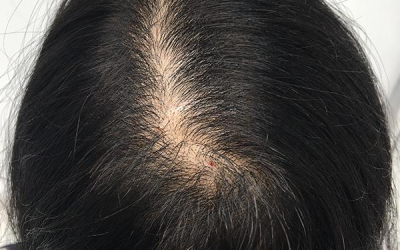
Hair loss is a common dermatologic concern that can affect…
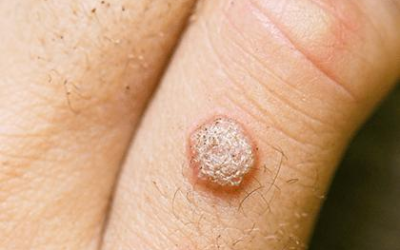
Warts are generally benign, contagious skin growths caused by certain…
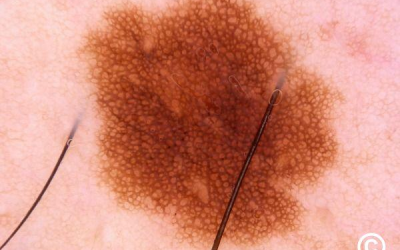
Moles, medically known as melanocytic nevi, are skin growths…
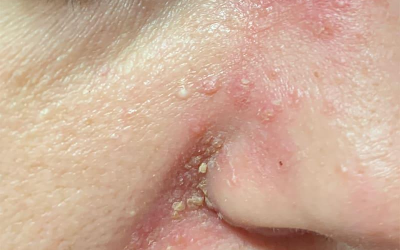
Seborrheic dermatitis is a chronic inflammatory skin condition that causes…

Allergic contact dermatitis is an inflammatory skin condition caused…
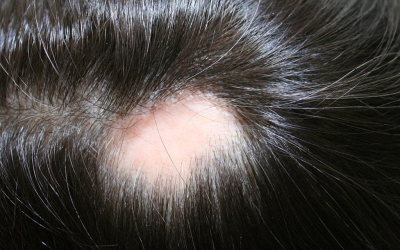
Alopecia areata is a condition in which the immune system…
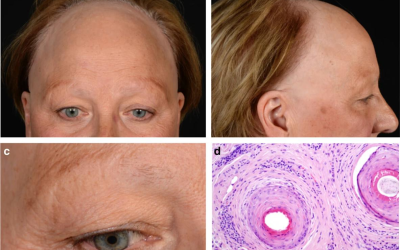
Eyebrow hair loss, medically known as eyebrow alopecia or madarosis,…
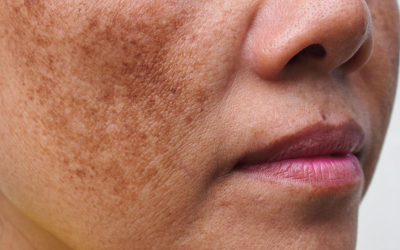
Melasma is a chronic pigmentation condition that causes brown or…
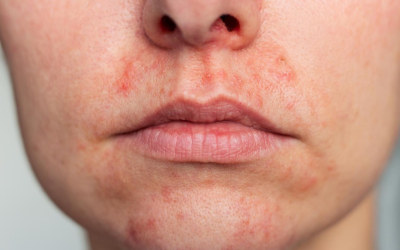
Perioral dermatitis is an inflammatory skin condition that causes small…
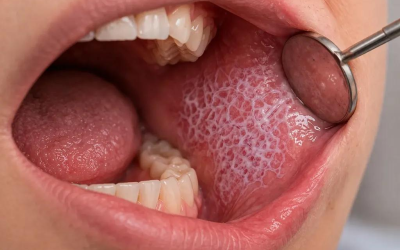
Lichen planus is a chronic, immune-related inflammatory condition that affects…

The effects of a product applied to the skin depend…

Human papillomavirus (HPV) is a common group of viruses…
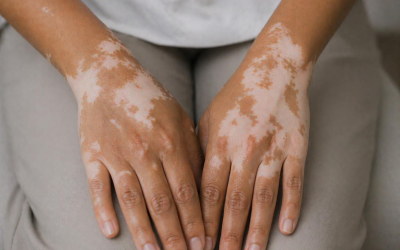
Vitiligo is a chronic skin condition characterized by white…

Acne is a chronic inflammatory skin condition that affects hair…