Hair loss is a common dermatologic concern that can affect women and men at any age and has many possible causes.
Shedding approximately 50–100 hairs a day can be part of the normal hair growth cycle. However, a noticeable increase in shedding, thinning hair, or bald patches may indicate an underlying condition.
Not all hair loss is permanent. With an accurate diagnosis and appropriate treatment, many patients can experience reduced hair loss and regrowth.
Possible causes include:
Identifying the cause is essential to selecting appropriate treatment.
This is the most common type of hair loss.
Men typically develop a receding hairline at the temples and thinning at the crown. Women more often notice a widening part and reduced hair density over the top of the scalp.
Genetic predisposition and hair follicle sensitivity to androgens play important roles.
Early treatment can help preserve existing hair.
Telogen effluvium causes more shedding than usual.
It may develop after a serious illness, fever, surgery, childbirth, rapid weight loss, or significant physiological stress.
Shedding usually becomes noticeable 2–3 months after the triggering event.
Once the cause is addressed, hair can gradually regrow in many patients.
Alopecia areata occurs when the immune system targets hair follicles, usually causing round or oval patches of hair loss.
It can affect the scalp, beard, eyebrows, and eyelashes.
Depending on severity, treatment may include local therapies or newer systemic medications.
Certain inflammatory conditions can permanently damage hair follicles.
Symptoms may include scalp redness, burning, pain, crusting, or permanent patches of hair loss.
Early diagnosis is particularly important in these conditions. Treatment can help prevent further progression, but follicles that have been destroyed cannot always be restored.
Diagnosis is based on a dermatologic examination and the patient’s medical history.
The scalp and hair shafts may be examined using a dermatoscope, a technique known as trichoscopy.
Tests such as a complete blood count, ferritin, and thyroid function tests may be requested when needed. Additional tests are selected according to the patient’s symptoms.
Extensive hormone and vitamin testing is not necessary for everyone with hair loss.
Treatment is planned according to the type and cause of hair loss.
Minoxidil can support hair growth and is used particularly for androgenetic alopecia.
Topical minoxidil is applied to the scalp. Low-dose oral minoxidil may also be considered for selected patients under medical supervision.
A response generally takes several months. Oral treatment requires assessment of blood pressure, heart rate, swelling, and other potential side effects.
These medications reduce the effects of dihydrotestosterone (DHT) and are used particularly for male pattern hair loss.
In suitable patients, they may slow hair loss and improve hair density.
Medical assessment is important to discuss sexual side effects, possible effects on mood, and pregnancy-related risks.
Antiandrogen medications such as spironolactone may be considered for some women.
These medications are not appropriate during pregnancy and are not recommended for everyone.
PRP, or platelet-rich plasma, involves applying a platelet-rich portion of the patient’s own blood to the scalp.
It may improve hair density and thickness in some patients, particularly those with androgenetic alopecia.
However, results vary. PRP is not effective for every type of hair loss and should not automatically replace established treatments.
Scalp mesotherapy may involve the administration of various substances into the scalp.
Their effectiveness and supporting scientific evidence differ. It cannot therefore be assumed that every mesotherapy treatment produces hair regrowth.
Treatment should be selected according to the diagnosis and available scientific evidence.
Local corticosteroid treatments and injections into affected areas may be used for alopecia areata in suitable patients.
Targeted medications called JAK inhibitors have been developed in recent years, particularly for severe alopecia areata.
Baricitinib and ritlecitinib are notable examples.
Their suitability depends on the patient’s age, disease severity, safety assessment, and local regulatory approval.
Hair growth is a slow process.
Many treatments require at least 3–6 months before the initial response can be assessed. More noticeable changes may take 6–12 months.
With hereditary hair loss, the benefits of treatment may gradually diminish after treatment is stopped.
An accurate diagnosis is the first step toward effective hair loss treatment.
At Dr. Armin Müştak’s private dermatology practice, hair and scalp concerns are assessed through a dermatologic examination. When needed, trichoscopy and appropriate laboratory tests help investigate the cause.
A treatment and follow-up plan is developed based on the type of hair loss, clinical findings, and previous treatments.
Early evaluation is important for preserving hair follicles and starting appropriate treatment promptly.
It depends on the cause. Hair may regrow after temporary shedding, such as telogen effluvium. With hereditary hair loss, appropriate treatment can help reduce further loss and improve hair density. Regrowth may not be possible when hair follicles have been permanently damaged.
Not everyone needs the same tests. Depending on the patient’s medical history and examination findings, testing may include a complete blood count, ferritin, thyroid function, and selected vitamin or mineral levels. Taking supplements without an identified deficiency is not recommended.
PRP may benefit some patients, particularly those with androgenetic alopecia. The effectiveness of mesotherapy varies depending on the substance used and how it is administered, and supporting scientific evidence is more limited. Neither approach should replace treatment based on an accurate diagnosis.
Topical minoxidil and finasteride for suitable male patients are well-studied treatments. Dutasteride, low-dose oral minoxidil, or other treatments may be considered for selected patients. The most appropriate option depends on the patient’s sex, age, health, and severity of hair loss.
Dermatology is the branch of medicine concerned with the…
Rosacea is a chronic inflammatory skin condition that primarily affects…
Eczema is a general term for inflammatory skin conditions that…
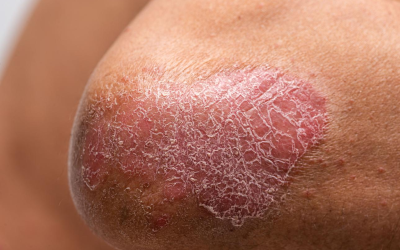
Psoriasis is a chronic, immune-mediated inflammatory condition that causes red,…
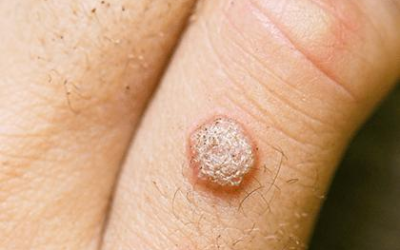
Warts are generally benign, contagious skin growths caused by certain…
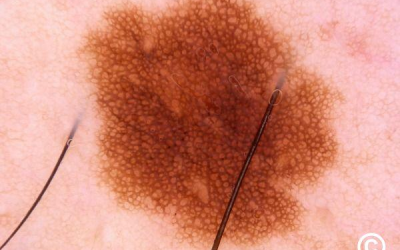
Moles, medically known as melanocytic nevi, are skin growths…
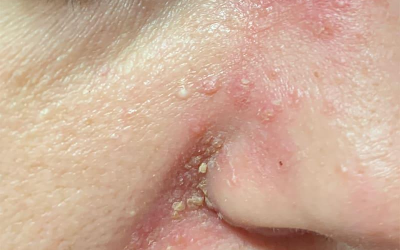
Seborrheic dermatitis is a chronic inflammatory skin condition that causes…
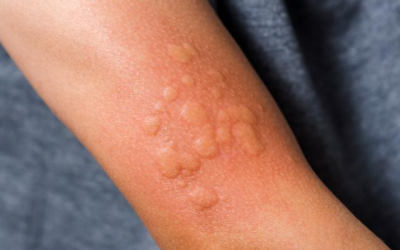
Urticaria, commonly known as hives, is a skin condition that…
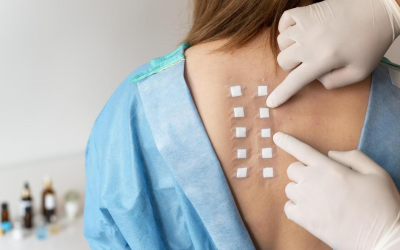
Allergic contact dermatitis is an inflammatory skin condition caused…
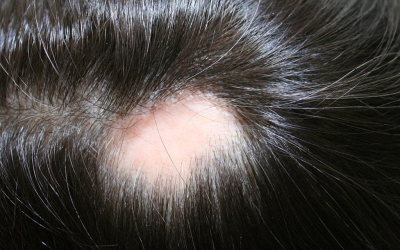
Alopecia areata is a condition in which the immune system…
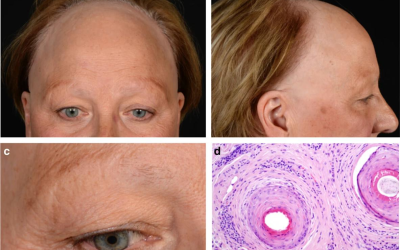
Eyebrow hair loss, medically known as eyebrow alopecia or madarosis,…
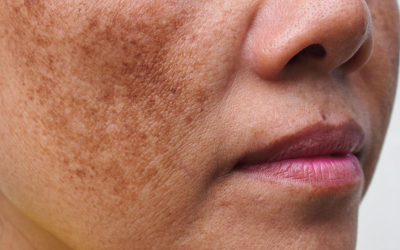
Melasma is a chronic pigmentation condition that causes brown or…
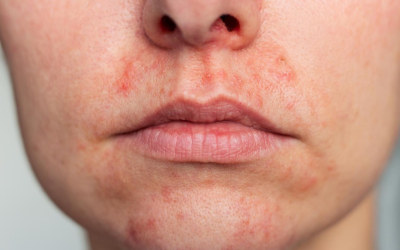
Perioral dermatitis is an inflammatory skin condition that causes small…
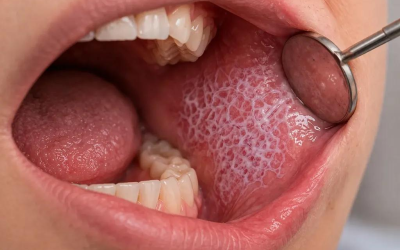
Lichen planus is a chronic, immune-related inflammatory condition that affects…

The effects of a product applied to the skin depend…

Human papillomavirus (HPV) is a common group of viruses…
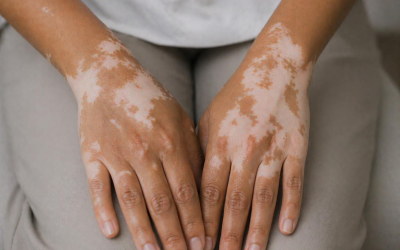
Vitiligo is a chronic skin condition characterized by white…

Acne is a chronic inflammatory skin condition that affects hair…